Rethinking How We Engage Young Visitors
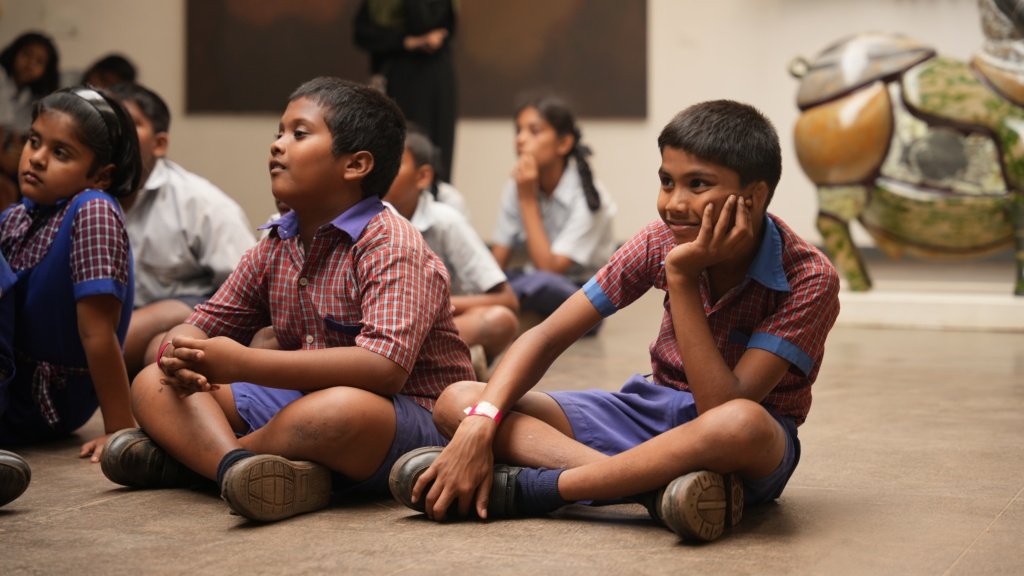
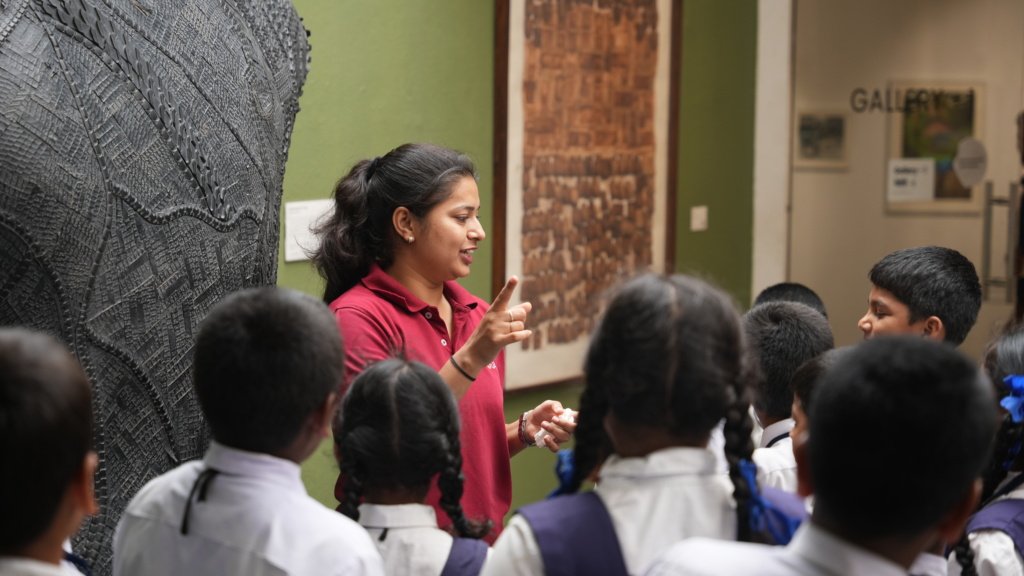
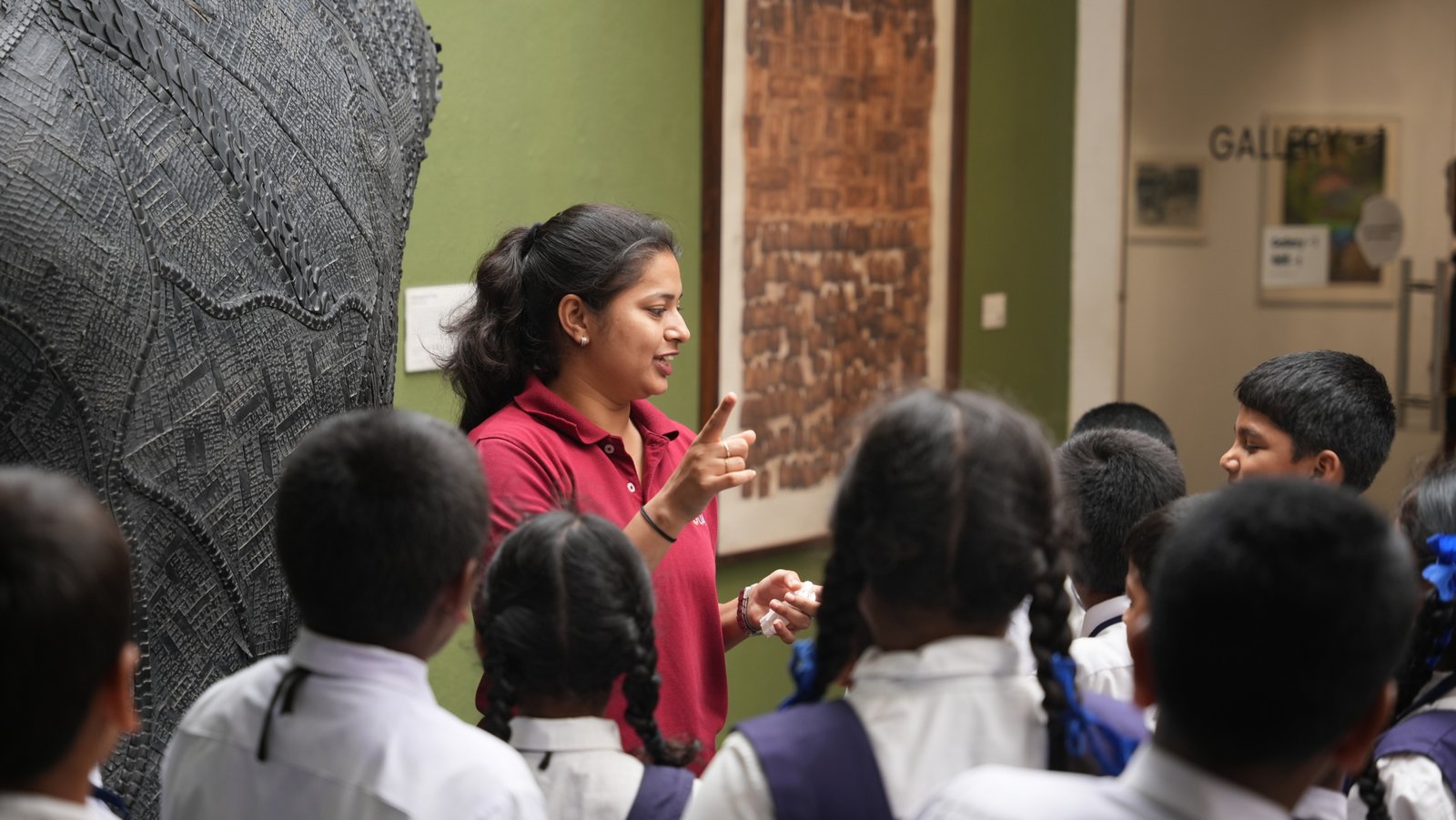
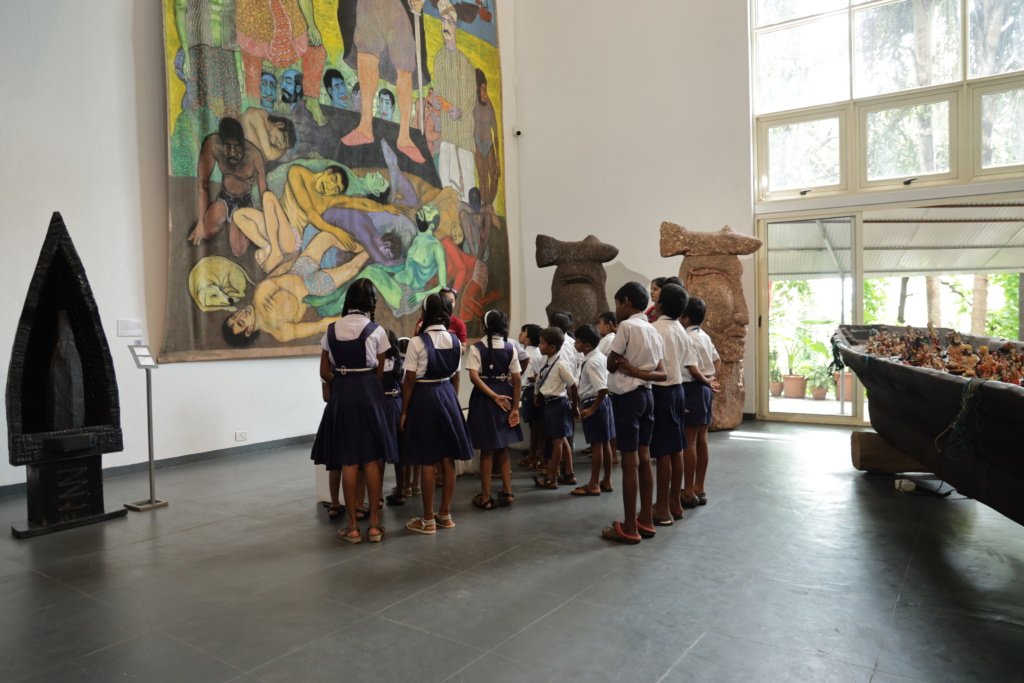
In a country where nearly 30 per cent of the population is under 18, it is worth asking how much space museums and galleries actually make for this age group. That is not to say that young people do not visit museums. It is a familiar sight in almost any museum: a school group being walked briskly through the galleries, a teacher counting heads, a guide reciting names and dates, children trailing behind in twos, mostly quiet, mostly looking without really seeing. The visit happens. An outing gets ticked off the academic calendar, a photograph gets taken for the school newsletter. But very little of what could be called real engagement may take place; being rushed through without a moment to pause long enough to wonder, to ask questions, to relate what they see in the museum with their own lives.
Even where programming for young people does exist, a closer look can often reveal how little of it actually engages with the museum itself. A play staged in the lawns, a children’s literature festival held over a weekend, a craft workshop drawn from a generic activity list; these can all be valuable contributions to the cultural life of young people. But if they have little relationship to the collection housed a few metres away, a child can attend the event and leave without a single new question about the museum they were standing inside.
When I am asked to advise on activities around an exhibition, I often suggest a very simple test: Is this something a child could just as easily have done at home or at school? If the answer is yes, then why are we asking them to do it here? A museum offers something that a classroom or home cannot: the opportunity to be in the presence of an artwork or object, to look at it closely, notice something unexpected, ask questions and form a personal response to it. If an activity could take place anywhere, we may be missing the opportunity to help a young visitor make a deeper connection with what is actually on display.
There are, of course, museums in India already taking a more integrated approach. The Chhatrapati Shivaji Maharaj Vastu Sangrahalaya (CSMVS) in Mumbai opened a dedicated Children’s Museum in 2019, while the Museum of Goa has created a Children’s Art Studio within the museum. At the Bihar Museum in Patna, a dedicated Children’s Gallery uses storytelling, interactive exhibits and hands-on discovery to engage young visitors with history, natural history, arts and culture. Museum of Solutions (MuSo) in Mumbai has taken this further by creating an entire museum centred on children, with hands-on, inquiry-led experiences designed to encourage curiosity, experimentation and problem-solving. At Arthshila Patna, a dedicated Children’s Experience Centre was built into the multi-arts centre from its inception, with spaces for reading, music and puppetry designed to give younger visitors their own ways of engaging with the arts. These approaches are significant not simply because they provide more activities for children, but because they signal that young people’s engagement can be part of how an arts space thinks about its role.
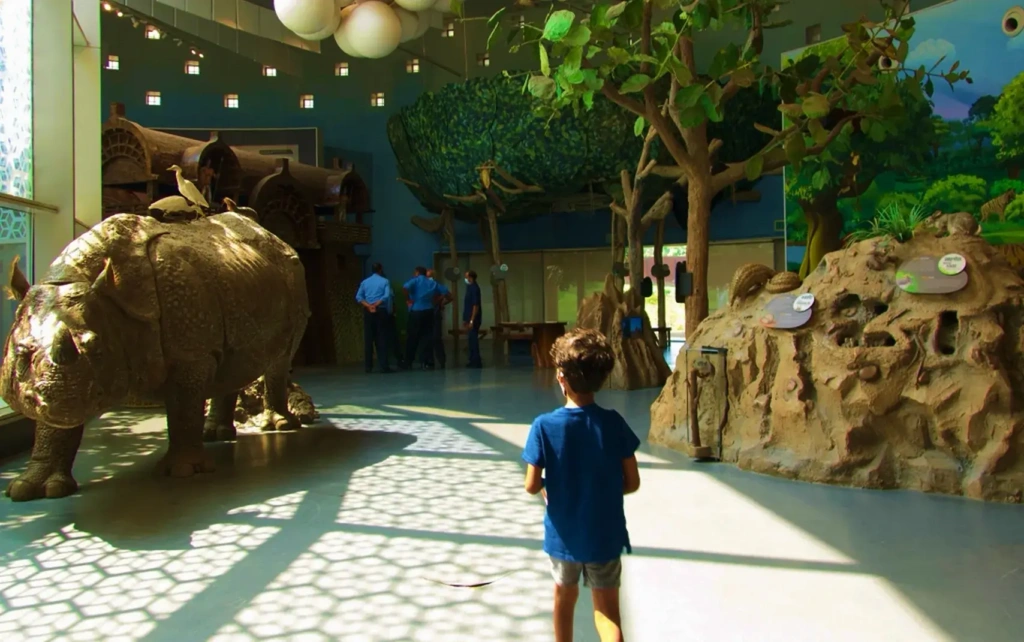
Image by Bihar Museum
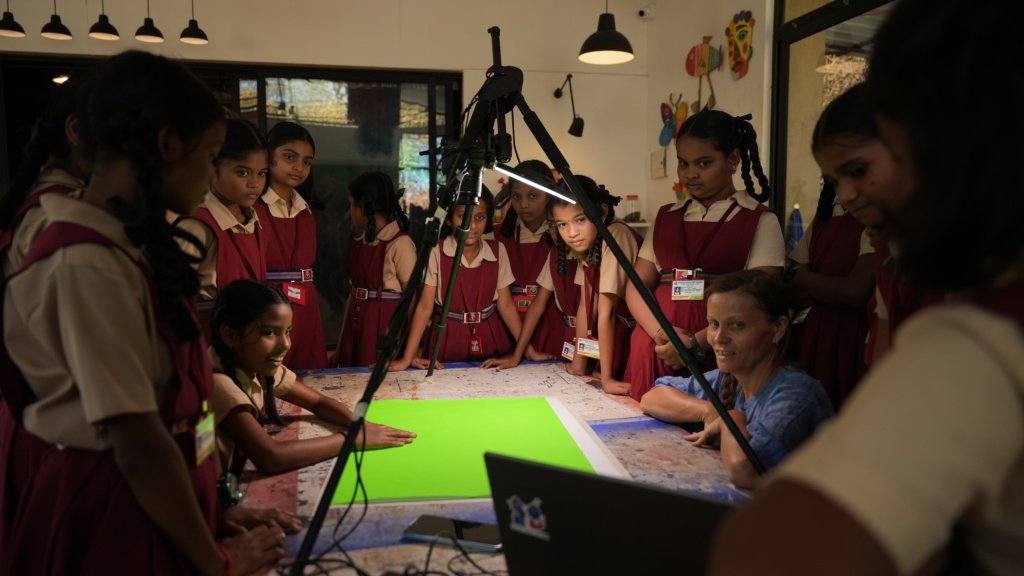
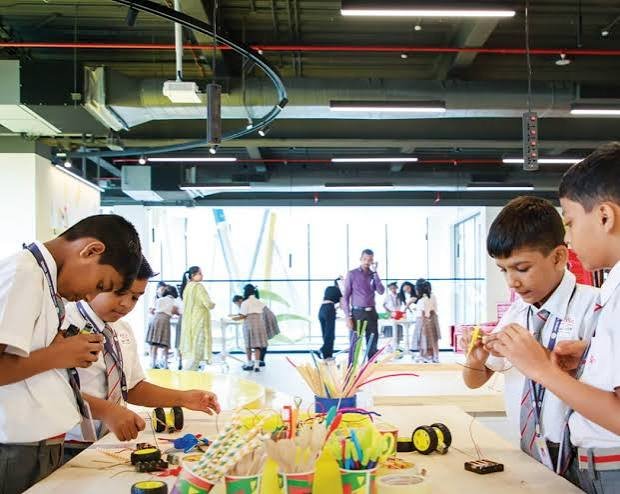
Image by Quest Plus
Young people are not future audiences. They are cultural participants now.
Often one hears of young visitors at museums being referred to as “audiences of the future.” It sounds like a valid argument for investing in children and young people because they will one day become the adult visitors an institution needs. But the phrase also quietly pushes young people out of the present tense. It treats them as a group to be cultivated rather than as people already capable of looking, thinking and responding right now, with opinions, imaginations and questions of their own.
Access to cultural spaces is also not simply a matter of good programming. Article 31 of the UN Convention on the Rights of the Child recognises children’s right to participate fully in cultural and artistic life.
At the heart of our work at ThinkArts is our belief that young people form a vital part of our society, and cultural spaces must curate engagements for them on a regular basis to ensure that they are active participants in the cultural dialogues.
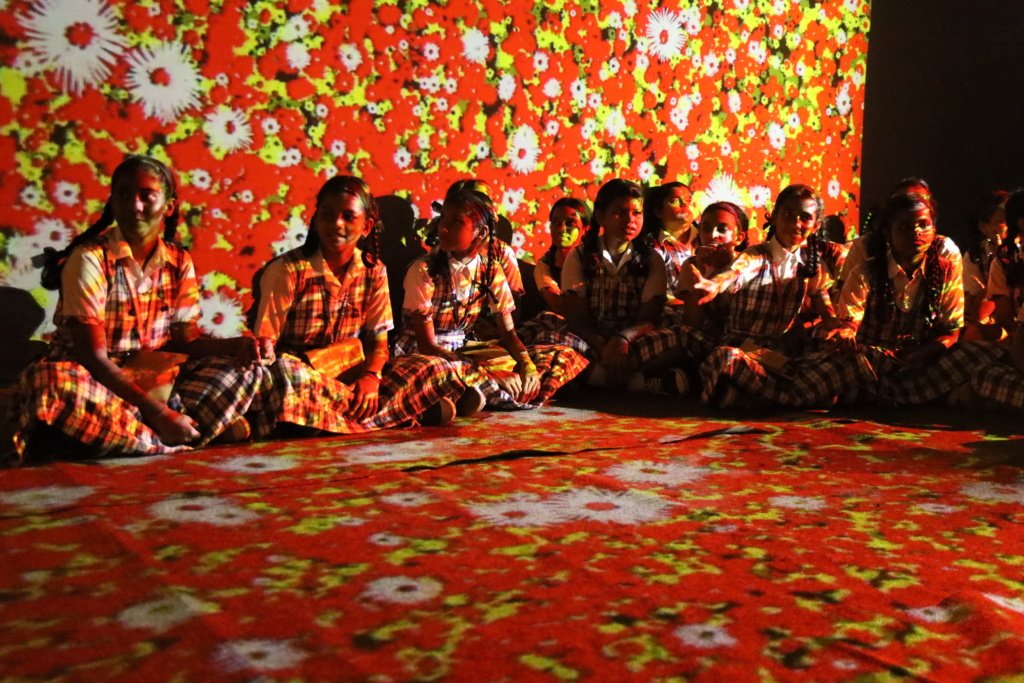
This is a premise that has informed much of ThinkArts’ work with young people. The 25th@5 initiative for example began with a simple proposition: that arts and cultural spaces belong to children as much as they do to adults. Children and their grown-ups were invited to visit an exhibition on the 25th of every month, at 5pm, across different galleries in Kolkata. The purpose was not to create a children’s exhibition or a special children’s corner, but to make regular encounters with art and galleries part of children’s cultural lives. Several children were walking in to see an exhibition for the first time, some were discovering mediums that they did not know were used for making art and many of them were realising that this is something they like and they would like to engage more with. The accompanying grown-ups found a new way of spending time with their children.
Engagement is more than making a museum “fun”
A children’s trail, a game, a drawing sheet, a story are common tools in museum practice, and they can easily be dismissed as ways of keeping children occupied while the “real” exhibition happens around them.
But their value is not really about entertainment. It is that they can give a child a reason to look, notice, question, explore and make connections they might not otherwise make. A trail that prompts a genuine question; Why is this object shaped this way? What does it remind you of? Who might have made it, and why? becomes a way for the young person to step into the collection.
This has been an important learning from ThinkArts’ work in museums and galleries. Trails have formed a significant part of the practice, from the Indian Museum Detective Trail, which invited young visitors to move through galleries solving puzzles and discovering answers, to trails created for the Calcutta Gallery at Victoria Memorial Hall and the Heritage Transport Museum in Gurgaon. Other programmes have used stories, treasure hunts, quizzes, drawing and observation to encourage young visitors to spend time with collections rather than simply pass through them. The activity itself is not the point. The question is what the activity enables the young visitor to do.
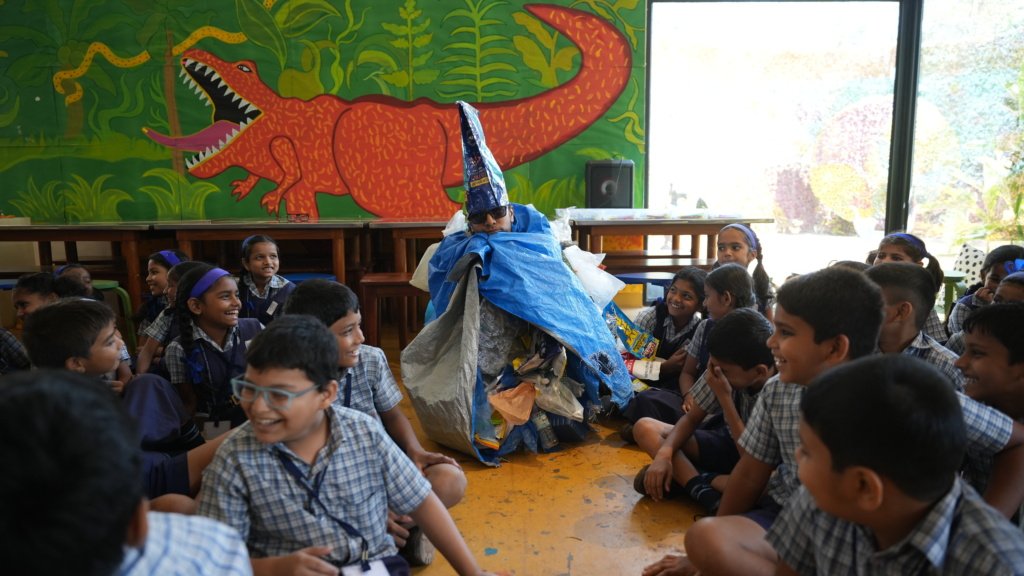
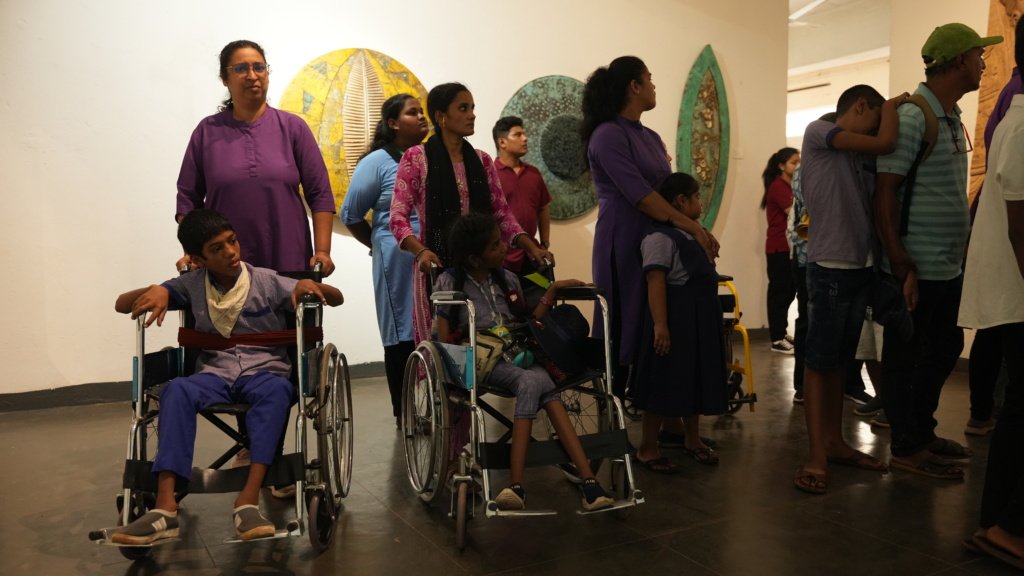
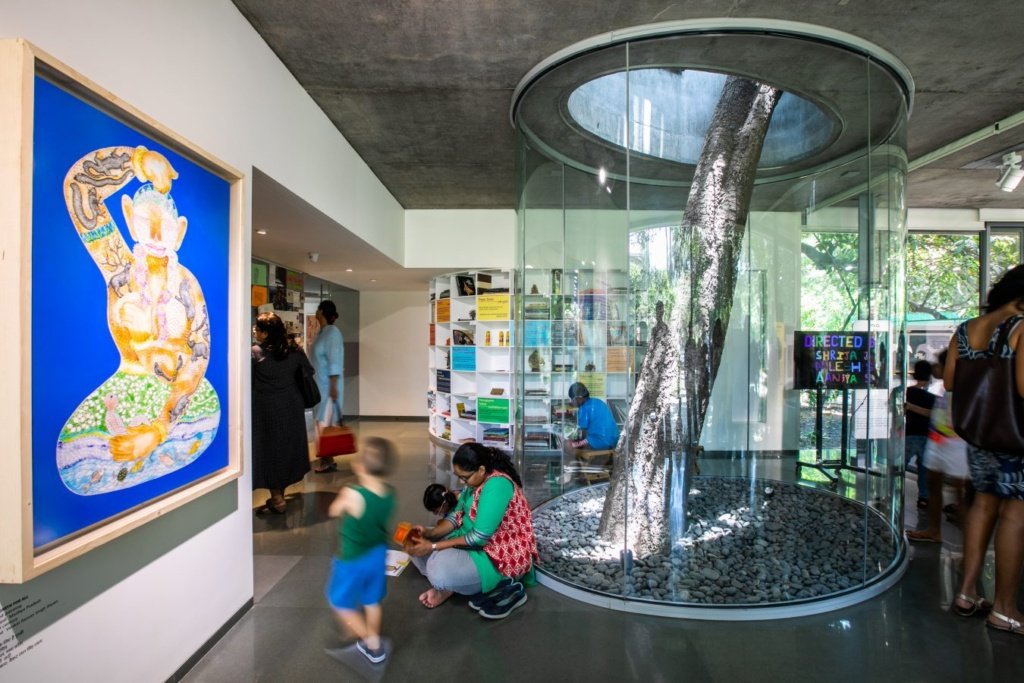
Image by RMA Architects
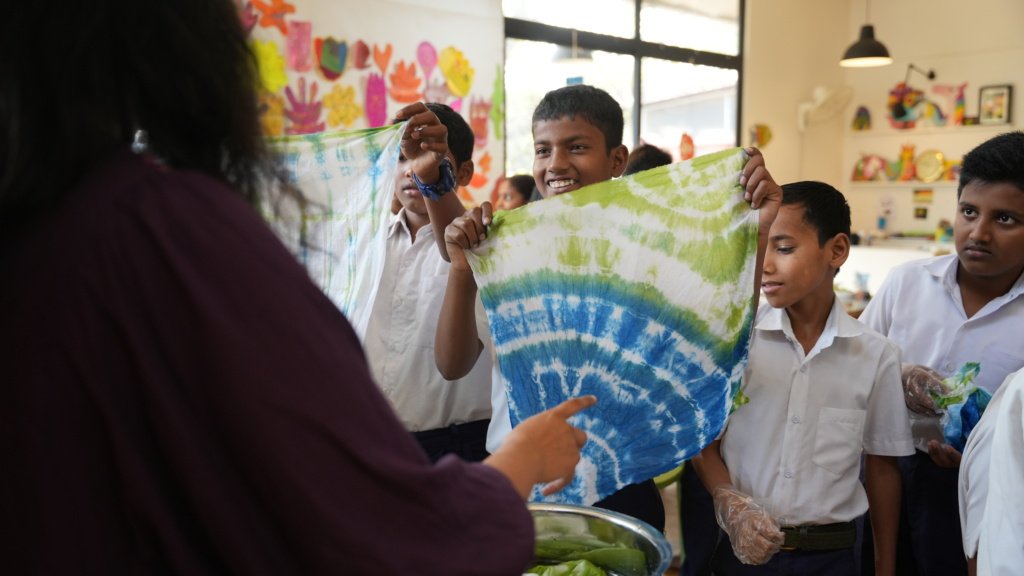
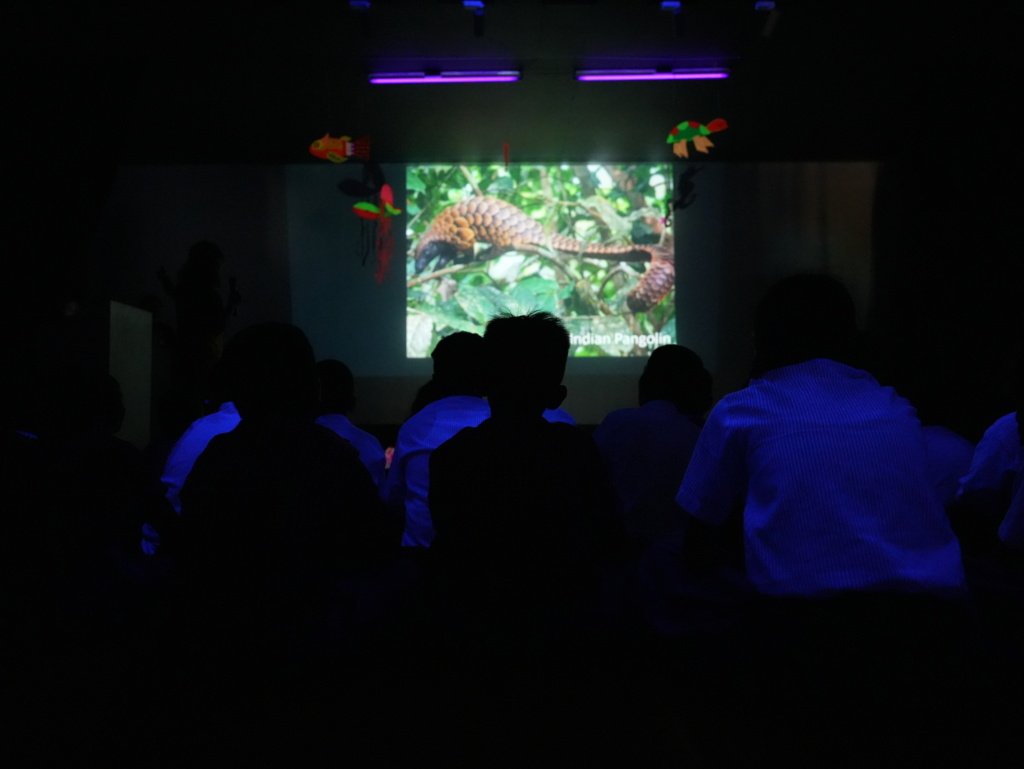
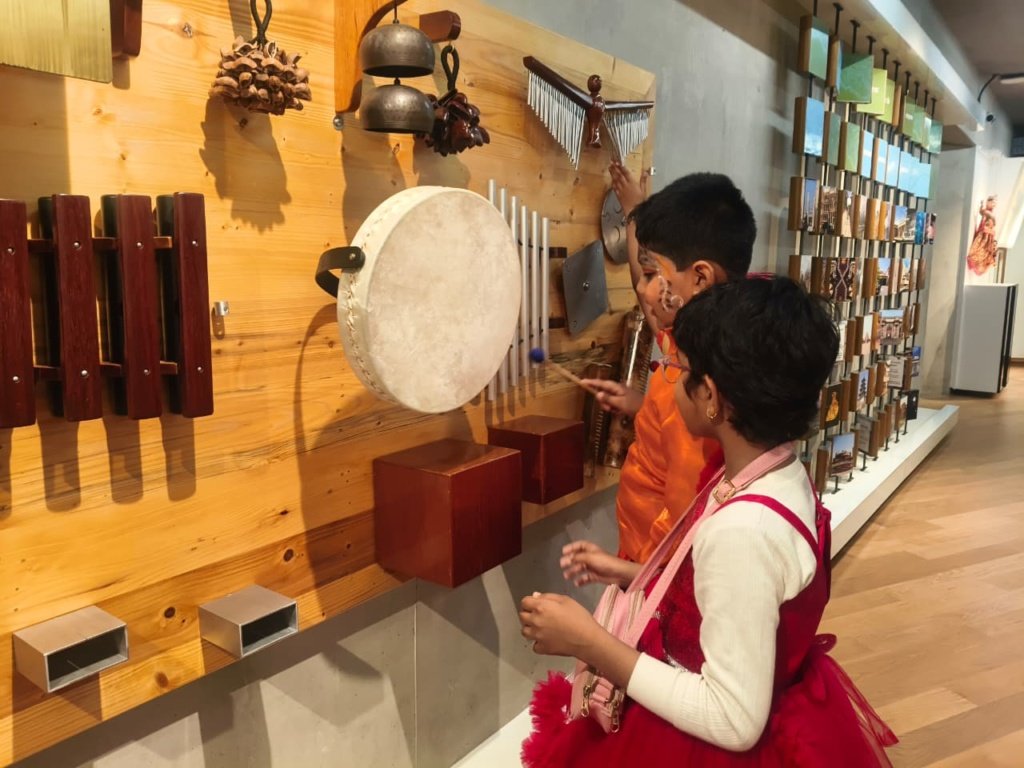
Image courtesy Arthshila
Arriving with something
It is easy to think of museum engagement as a one-way transfer: the institution holds the knowledge, and the job of a programme is to move some of that knowledge into a child’s head.
But children and teenagers don’t arrive at a cultural space empty-handed. They come carrying their own experiences, assumptions, references and questions. Meaningful engagement is therefore not only about giving young people information. It is about creating room for what they already know to meet what they encounter and allowing them to question and make meaning from that encounter.
This is one reason I think about projects such as Our History, Their Times, even though it was not a museum programme in the conventional sense. The project invited senior school students to explore the history of colonial Calcutta through South Park Street Cemetery and to develop artistic responses that were eventually displayed publicly at the cemetery itself. The students weren’t simply handed a version of history to absorb. They encountered a place, researched it, questioned it, interpreted it and created their own responses.
This process matters because it is one of the ways in which young people develop critical thinking. When they are encouraged to look closely, question what they are being told, consider different interpretations and ask what might be missing from a story, they are practising skills that extend far beyond a particular exhibition or museum visit. They begin to recognise that information is not always neutral or complete, that there can be more than one way of understanding something, and that their own questions and observations have value.
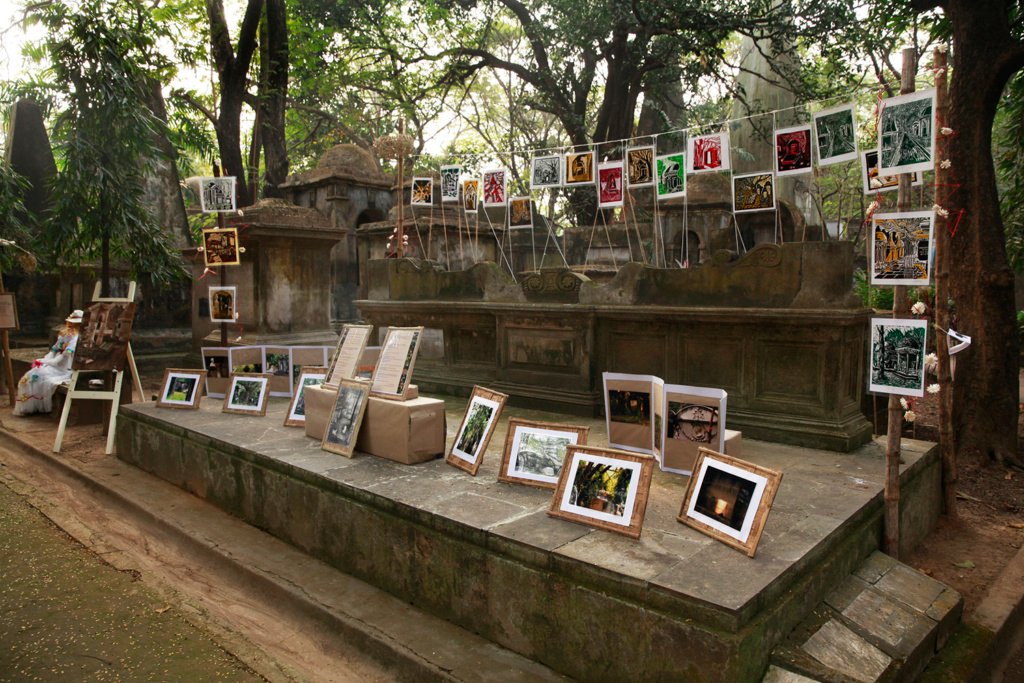
Image by Nazes Afroz
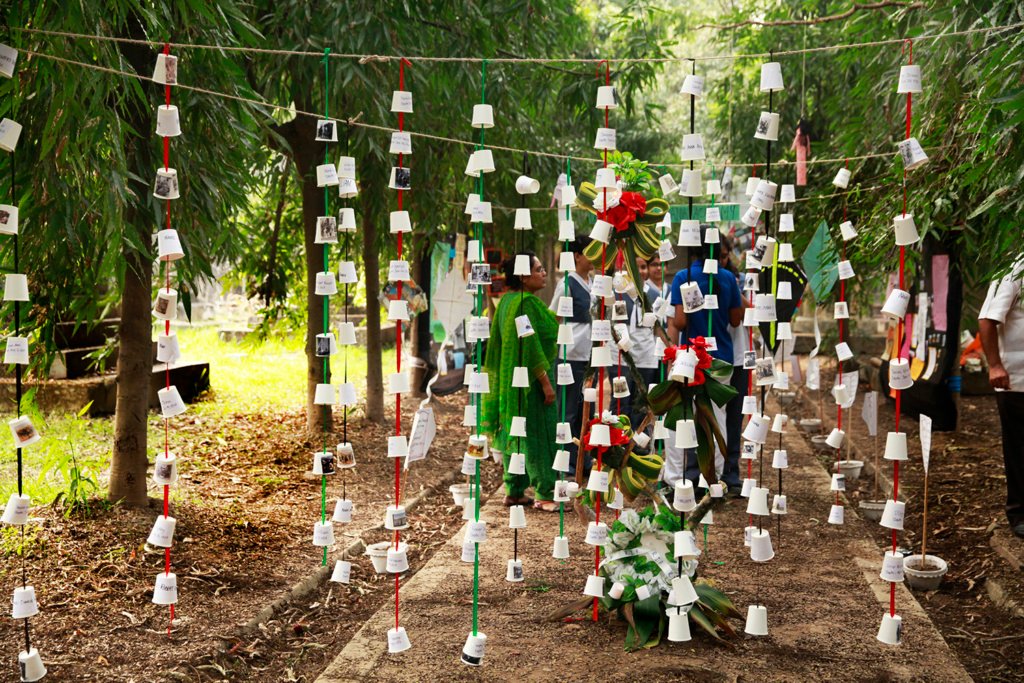
Image by Nazes Afroz
The implications for museums are significant. A museum can tell a young visitor what an object means. But it can also ask: What do you notice? What does this make you think about? What questions does it raise? Is there another way of looking at it? What might be missing from the story?
These are not simply devices for making a museum visit more interactive. They are invitations to examine evidence, question assumptions and consider multiple perspectives. The answers may not always be what the museum expects. That is precisely why they are valuable.
For me, this is one of the more important purposes of cultural participation: not simply to enable young people to consume culture, but to allow them to participate in making sense of it.
From making meaning to participation and agency
Interpretation is one step. Agency is the next, and it is a harder one for institutions to grant because it means sharing some of the space and decision-making rather than simply designing a better activity.
Beyond allowing young people to respond to what is already there, can they be given room to experiment, collaborate, make decisions and actually contribute to a cultural space?
Nina Simon, in The Art of Relevance, writes about teenagers as being at a particular point in their relationship with agency. They are developing a stronger sense of identity, of what matters to them and where they want to be, while much of their agency is still limited by adults. As a result, questions of relevance — Is this for me? Do I want to participate? — become particularly important. This makes it all the more important that cultural spaces do not simply decide what young people should engage with, but create opportunities for them to make choices, develop ideas and shape their own responses.
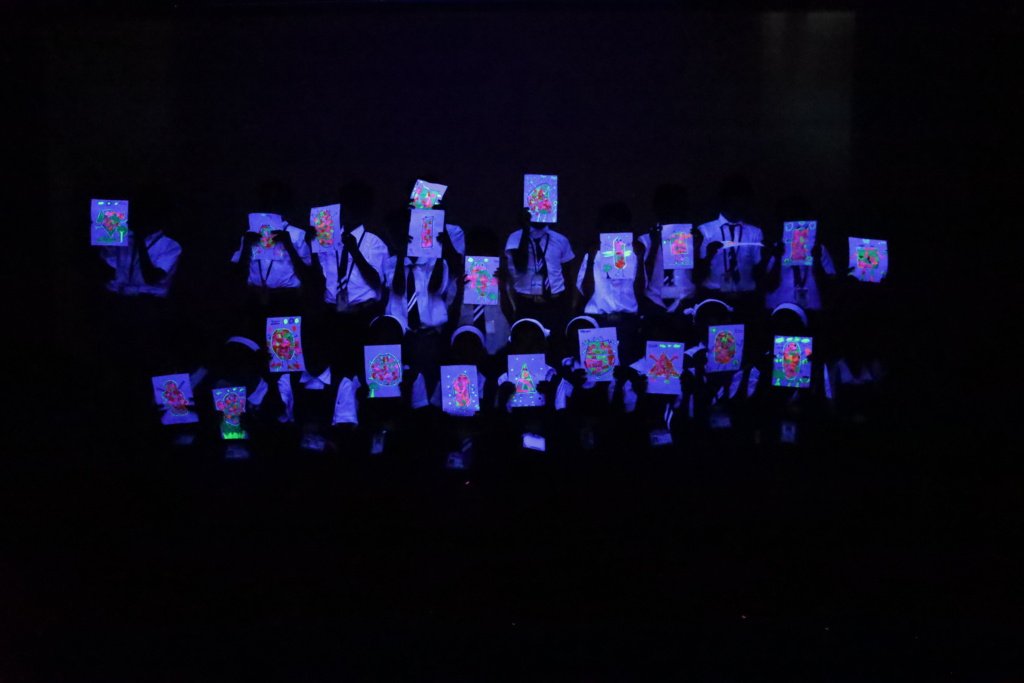
I had the opportunity to explore some of these ideas through TeenTakeover@MMB, a project I was awarded through Five Million Incidents, a year-long programme by Goethe-Institut / Max Mueller Bhavan New Delhi and Kolkata, conceived in collaboration with Raqs Media Collective. The project invited teenagers in Kolkata to think about the coming decades through the lens of human emotions and society. Participants developed ideas collaboratively, explored the spaces in which their work would eventually be installed, researched their chosen subjects and created installations.
One participant spoke about being excited by the opportunity because young people their age were not often given the freedom to experiment in that kind of space. That observation points to something larger than a successful workshop.
What changes when a young person isn’t simply being shown something, but is trusted to contribute something?
And what would it mean for museums to create more opportunities of this kind? Not necessarily to ask teenagers to curate exhibitions, but to give them meaningful opportunities to question, interpret, create and contribute to how a cultural space is experienced.
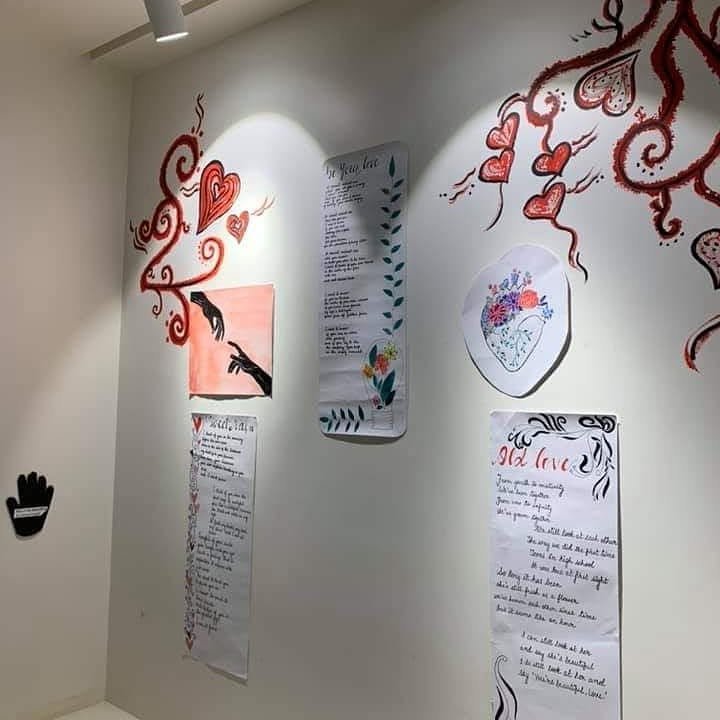
Image by ThinkArts
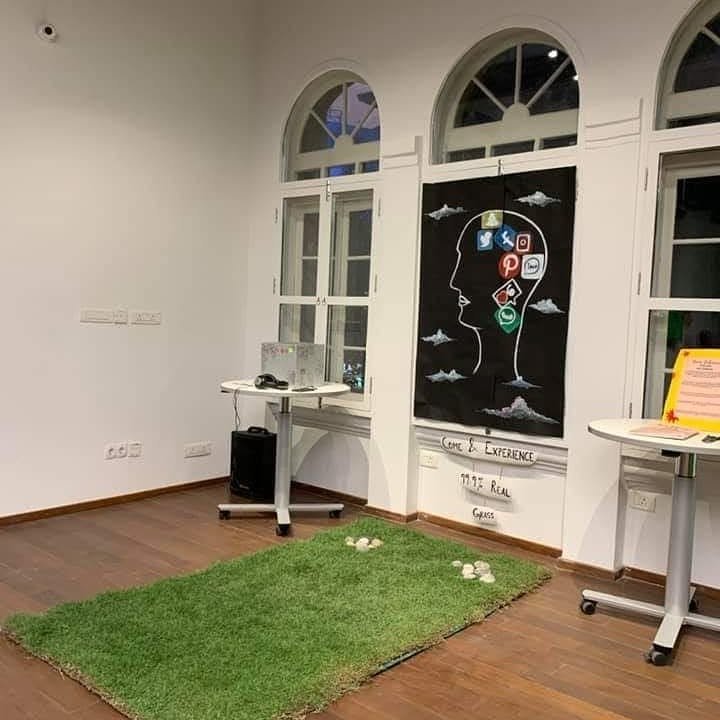
Image by ThinkArts
What museums stand to gain
ICOM’s 2022 definition of a museum speaks of museums as open, accessible and inclusive institutions that offer varied experiences for education, enjoyment, reflection and knowledge sharing, with the participation of communities.
It is tempting to frame all of this as something museums do for young people. But the relationship runs both ways. Young people bring different questions, contemporary references, unexpected associations, alternative interpretations, imagination and curiosity. They may notice relationships between objects that an adult visitor overlooks. They may ask why something is presented in a particular way. They may find significance in something that those who have spent years with a collection have become too familiar with to see afresh.
This is not to suggest that every child’s response is automatically profound, or that specialist knowledge is unnecessary. Museums have expertise for very good reasons. But expertise need not mean that interpretation flows only in one direction. A child’s “Why?” can be useful precisely because the answer may seem obvious to someone who has spent years with the collection.
This is close to the thinking that has informed ThinkArts’ work in museums and galleries: every visitor engages with art and heritage from a distinct perspective. The purpose of a participatory experience is not to replace the museum’s knowledge, but to create a space where that knowledge can meet curiosity, dialogue and personal discovery.
What meaningful engagement asks of museums
Meaningful engagement requires museums to think more structurally about access, relevance, interpretation, agency and participation. Are young people considered when programmes are conceived, are their questions taken seriously, and is there room to build an ongoing relationship with a museum rather than a single visit?
It also means recognising that “young visitors” are not one audience. A six-year-old, a twelve-year-old and a seventeen-year-old have very different relationships to authority, independence, interpretation and cultural spaces. What engages one may alienate another.
None of this requires museums to abandon their expertise or the complexity of their collections. Nor does it mean that every museum needs a dedicated children’s museum, a permanent children’s gallery or a programme every weekend.
It does require something more fundamental: a shift in how young people are thought about.
Perhaps, we can return to the school group we began with and imagine that visit differently: children moving through fewer galleries, but with time to stop, look closely, wonder, question, disagree, make connections with their own lives and leave having formed a relationship with just one artwork or object. The measure of a meaningful museum visit need not be how much they have managed to see, but whether something they saw stays with them after they leave.
When young people are given the opportunity to question what they see, consider different perspectives and construct their own interpretations, museums become more than places where knowledge is preserved and transmitted. They become places where young people practise how to think; about art, history, perspective and the world around them.
And when that happens, the museum does not simply become more welcoming to young people. It becomes a place where more people can see themselves as having a relationship with culture, history and the stories we choose to preserve and tell.
Authored by Ruchira Das, Founder, Think arts