19–21 June 2026 | Museum of Goa
Residency Overview
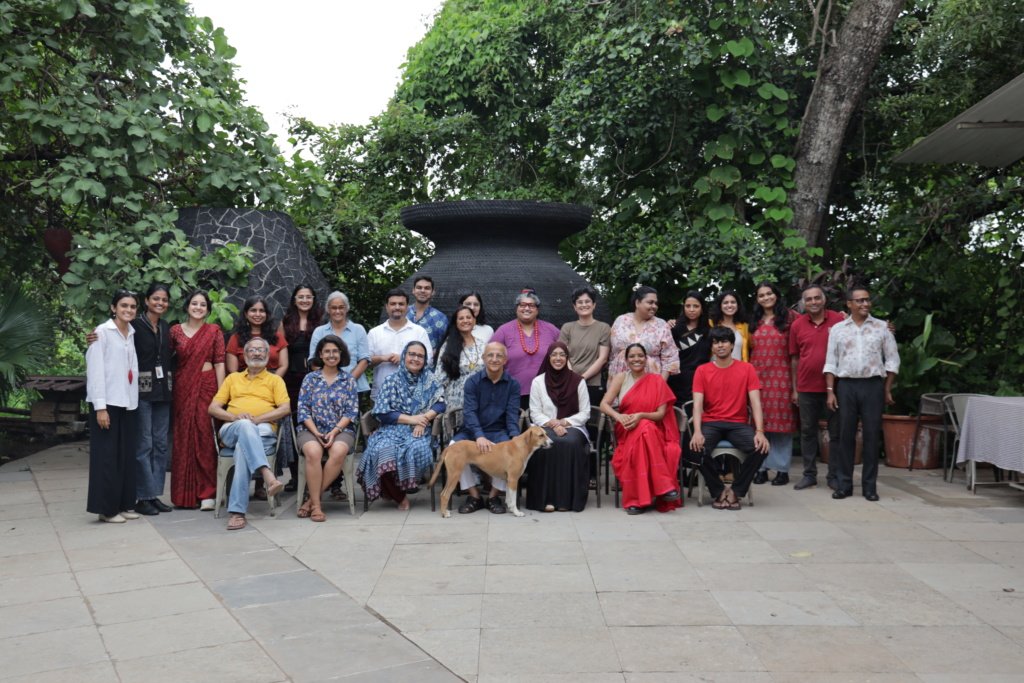
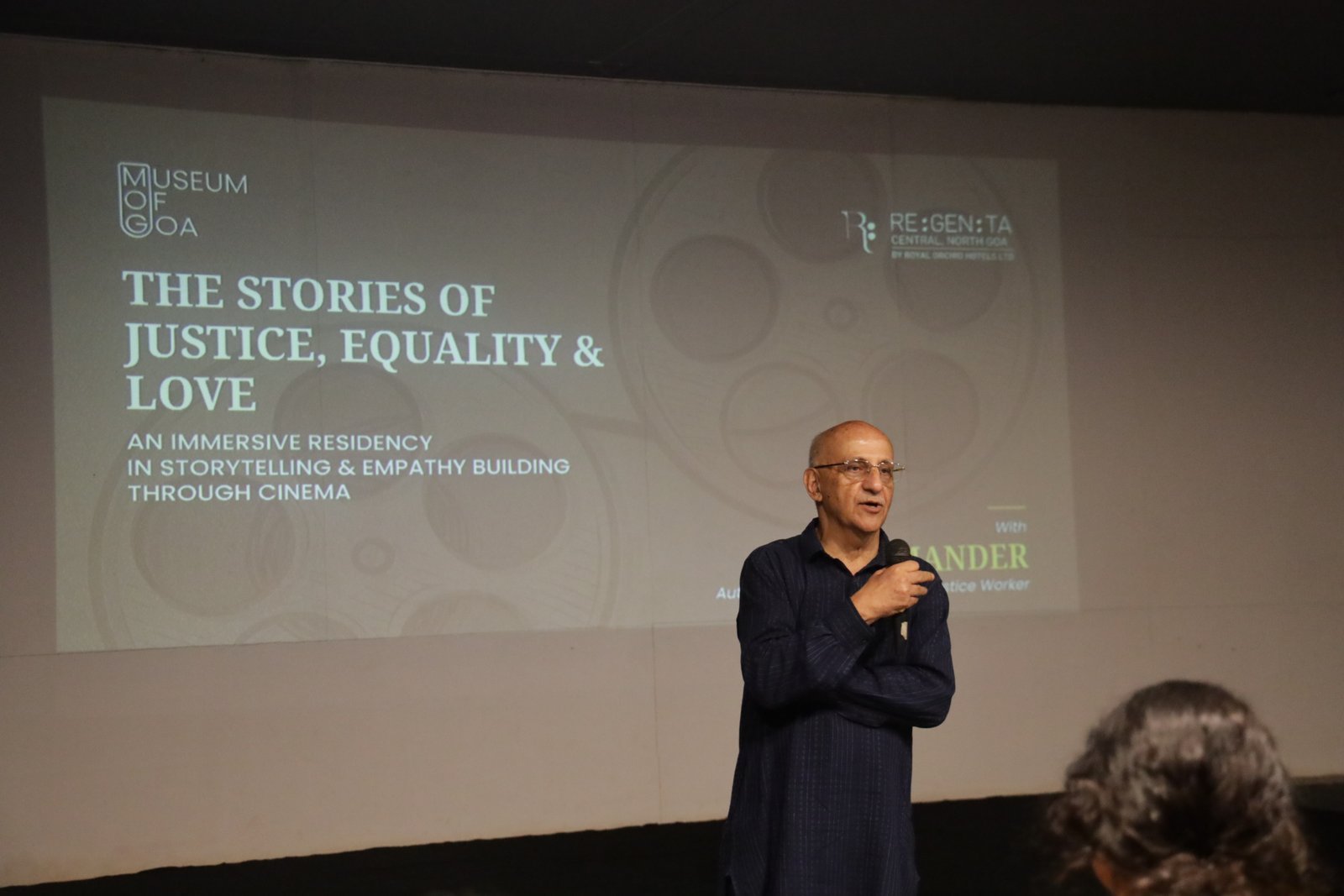
Museum of Goa hosted a three-day residency, The Stories of Equality, Justice and Love, led by writer, Author, Teacher, peace and Justice Worker Harsh Mander from 19-21 June 2026. Bringing together participants from around the country from diverse backgrounds, including journalists, educators, artists, filmmakers, peace workers, community organisers, and engaged citizens, the residency created a rare space for collective reflection on justice, compassion, and ethical citizenship in contemporary India.
About the Facilitator
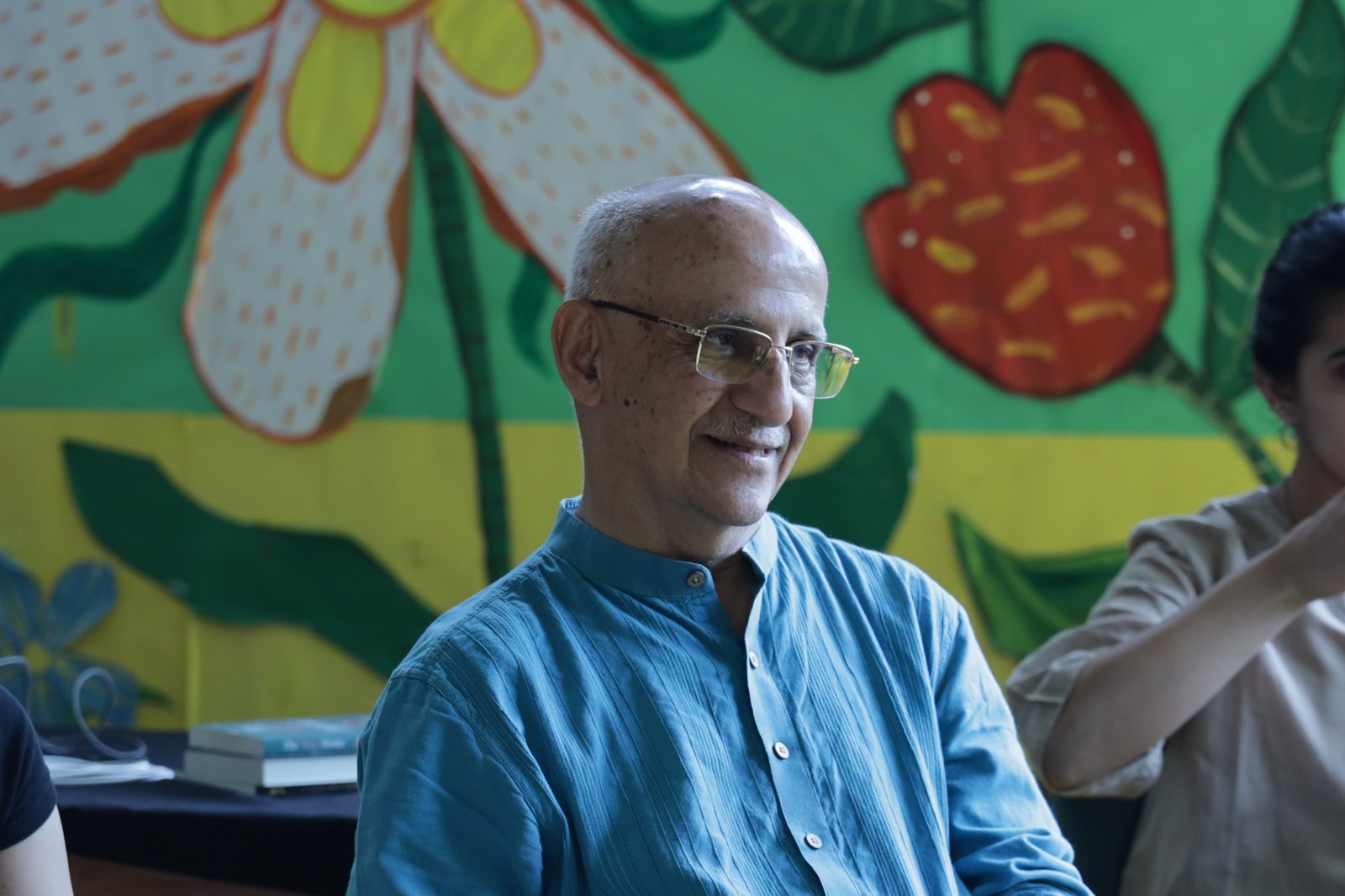
Harsh Mander is a human rights and peace worker, writer, researcher, and teacher, and serves as Chairperson of the Centre for Equity Studies, which focuses on public policy and justice for disadvantaged groups. He leads the national initiative Karwan-e-Mohabbat (Caravan of Love), working towards solidarity, healing, and justice in response to rising hate violence. He holds a PhD from Vrije University, Amsterdam, and has taught at institutions including Heidelberg University, IIM Ahmedabad, JNU, and international universities such as MIT and UCLA.
A prolific author, he has written 25 books, including Partitions of the Heart and Ash in the Belly. He has received multiple honours, including the Human Rights Award (2022) and an honorary doctorate from the University of York (2024). He also served as Special Commissioner to the Supreme Court of India in the Right to Food Campaign and was a member of the National Advisory Council of the Government.
Objectives of the Residency
1. Stirring Our Capacity for Empathy
We are living in troubling times, where repeated encounters with inequality, violence and suffering can make us complacent and distant from the realities around us. The residency began from the belief that something is broken in us when we lose our ability to see, feel and respond to the experiences of others. Empathy is an act of imagination first, and then feeling. It requires us to enter the worlds of others and recognise their experiences as deeply human. Through stories, conversations and shared reflections, the residency encouraged participants to not look away, but to nurture their capacities for empathy, care and connection.
2. Using Storytelling and Film to Encounter Human Experiences
The residency explored storytelling and film as powerful ways of entering worlds beyond our own — allowing us to encounter different people, communities, spaces and contexts. Through collective screenings followed immediately by conversations, participants were invited to reflect on the human experiences represented on screen: experiences of poverty and aspiration, displacement and belonging, discrimination and resilience, violence and healing. The objective was not filmmaking, but using stories as a bridge to deepen understanding, challenge assumptions and engage with lives and realities that may otherwise remain unseen.
3. Creating Spaces for Collective Reflection and Hope
The residency created a space for dialogue around equality, justice and compassion, where participants could reflect together on the kind of society they wish to build. Through shared conversations and reflections, the residency encouraged participants to imagine possibilities rooted in dignity, care and hope, recognising empathy and ethical citizenship as collective responsibilities.
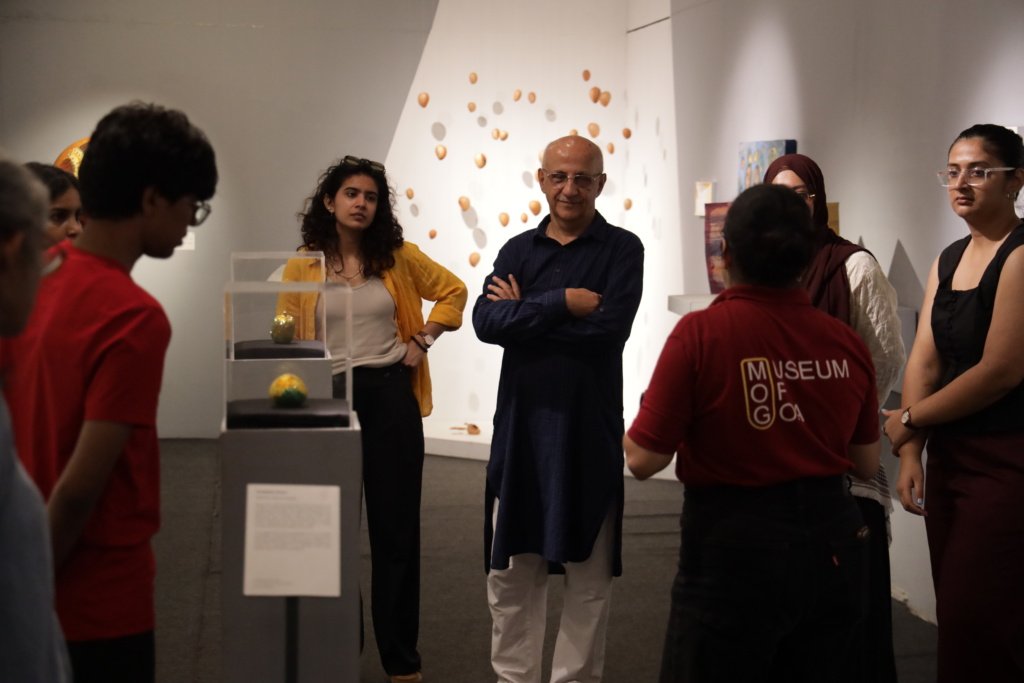
Day One: Poverty, Inequality, and Belonging
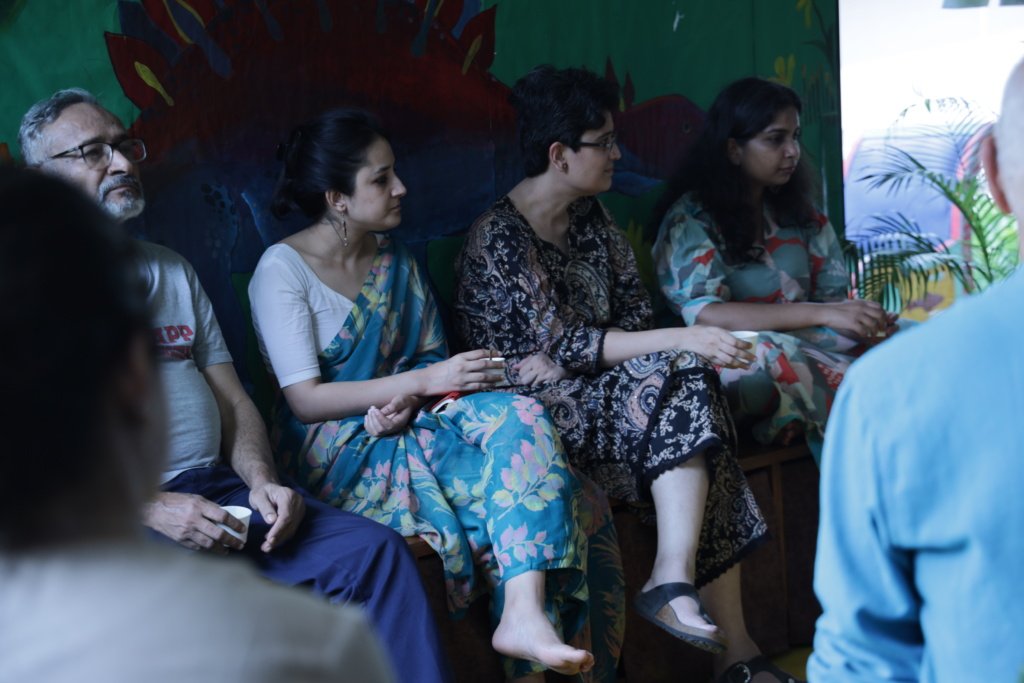
The first day of the residency began with conversations around urban poverty, education, class, caste, and caste-based exclusion. Through films and discussion, participants reflected on the realities of informal labour, unemployment, hunger, discrimination, and the unequal distribution of resources. Questions emerged about how societies normalise injustice, how systems of exclusion become embedded in everyday life, and how certain lives are rendered invisible. Reflecting on the distinction between pity and empathy, Harsh Mander reminded participants that “dignity is not something bestowed upon people; it is something that already exists and must be acknowledged.”
Participants reflected on the moral dimensions of inequality and considered what it means to build societies that value care, fairness, and human dignity. Stories of resilience, particularly those of women within these communities navigating hardship and uncertainty, highlighted the extraordinary strength often found in ordinary lives.
Discussions further extended on migration, identity, and belonging, which encouraged participants to reflect on how individuals can become subjects of suspicion and judgment because of their appearance, nationality, or circumstances. These conversations challenged dominant narratives around fear and violence while drawing attention to the human experiences that often remain unheard.
Day Two: Justice, Memory, and Healing
The second day turned towards questions of justice, communal violence, memory, and healing. Participants reflected on the lives of individuals and families affected by violence, discrimination, and wrongful imprisonment. Discussions examined how communal divisions shape everyday realities and how fear and prejudice continue to affect communities across the country. The conversations also explored secularism, freedom of expression, and the role of art in times of social and political tension.
Conversations also centred on how meaningful encounters with marginalised communities can challenge assumptions and deepen one’s understanding of inequality. Participants reflected on the transformative potential of travel, listening, and witnessing, considering how personal experiences of injustice often shape lifelong commitments to solidarity, compassion, and social change. Discussions also explored the need to redefine empathy by extending it beyond notions of the “perfect victim,” reflecting on what it means to hold compassion for those who have committed harm, including people in prisons and those often excluded from public sympathy. Alongside these themes, participants reflected on healthcare, mobility, and unequal access to opportunities and resources.
Harsh Mander emphasised the importance of remaining open to pain and vulnerability, reminding participants that suffering can deepen our capacity for empathy and understanding. One of the reflections that resonated deeply during the residency was his observation that “the greatest gift of nature or god is pain,” not because pain is desirable, but because it allows us to connect with the suffering of others and respond with compassion. Participants also reflected on the importance of friendship, innocence, and the human capacity to trust and care for one another, even in difficult circumstances, recognising these as essential foundations for building more compassionate and humane societies.
Equally memorable was his encouragement to participants: “Be kind and be foolish. The rest of your life is about figuring it out.” Participants also reflected on the importance of nurturing radical hope and collective imagination as essential tools for envisioning more just and compassionate futures, having the courage to imagine possibilities beyond existing structures and inequalities.
Day Three: Cities, Violence, and Hope
The third day started with a public screening of Mahanagar by Satyajit Ray, bringing residents and members of the public together in a shared conversation. The discussions that followed explored women’s labour, patriarchy, urban life, and the pressures of modernity. Participants reflected on how cities create both opportunities and exclusions, and how questions of work, dignity, and independence continue to shape people’s lives.
The day also explored the realities of urban poverty and communal violence through film screenings and discussions. Participants reflected on the struggles of poverty, unemployment, dignity, and the everyday hardships faced by those living on the margins of society.
The screenings opened conversations about the lasting human consequences of communal violence and the ways in which fear, prejudice, political narratives, and disenfranchisement can fracture communities. Discussions examined how hatred is cultivated and normalised within societies, often leading to exclusion, discrimination, conflict, and the marginalisation of already vulnerable groups. Participants also reflected on the emotional and psychological impact of violence on survivors, the challenges of rebuilding trust after periods of unrest, and the importance of empathy, dialogue, and solidarity in fostering more inclusive and peaceful communities.
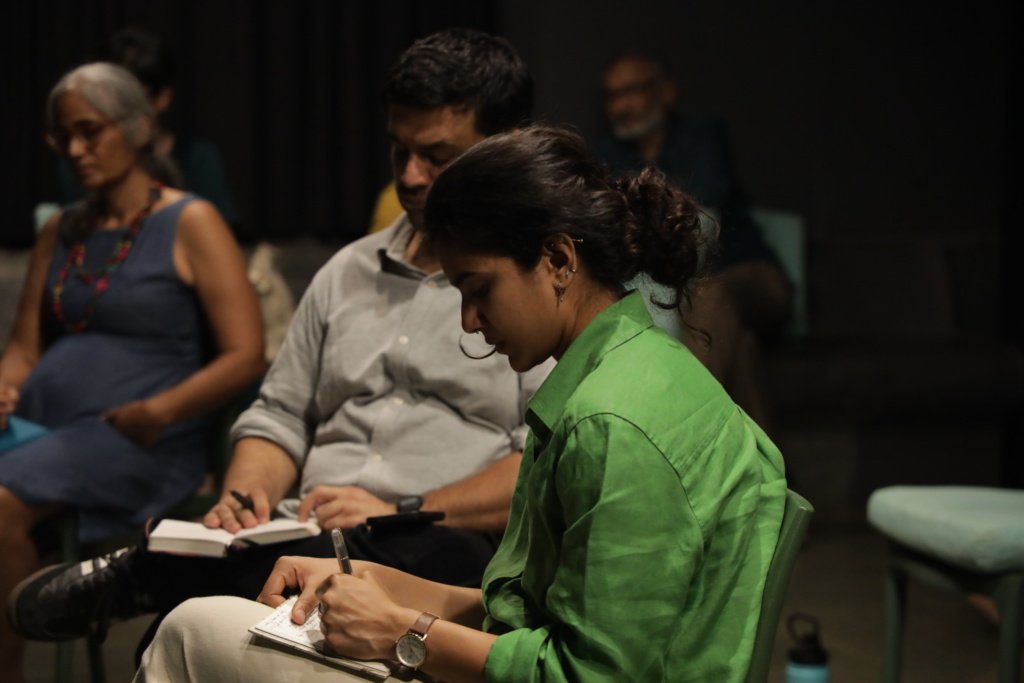
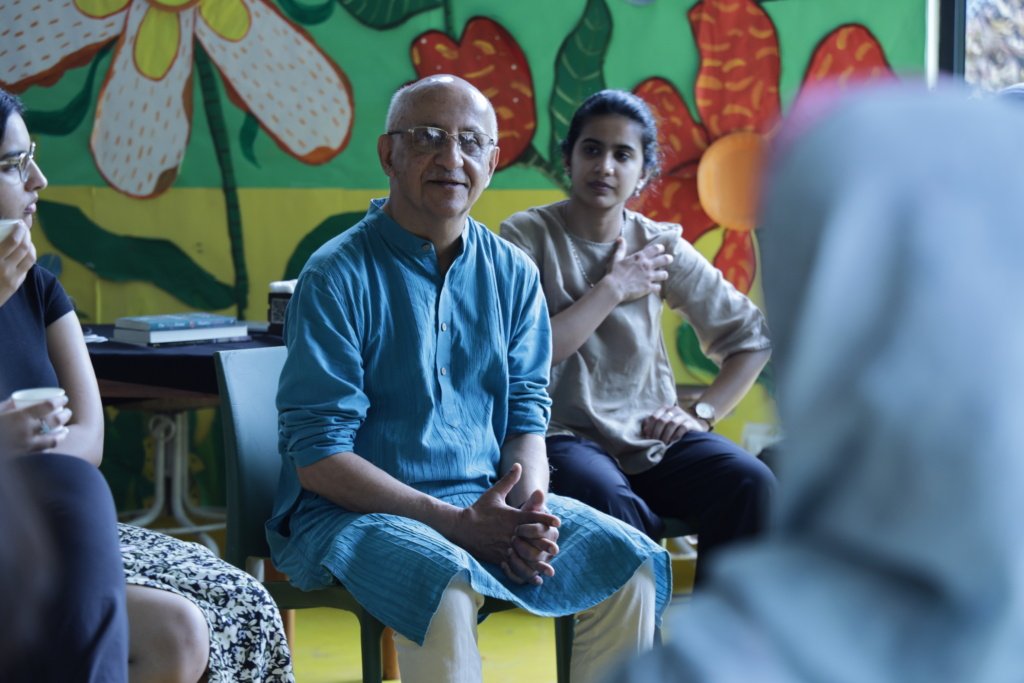
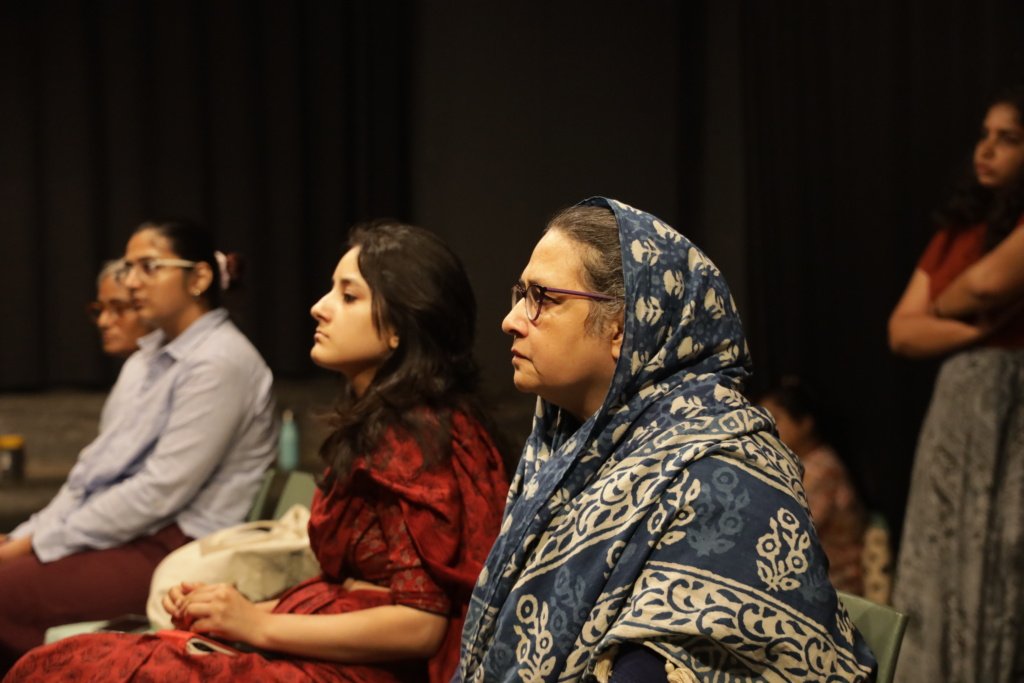
Closing Reflections
The closing conversations returned to larger questions about history, collective imagination, and social change. Harsh Mander spoke about the importance of cultivating a clearer moral vision and of learning from history in order to imagine more humane futures. Participants reflected on the possibility of building a kinder and more just world, not through grand gestures alone, but through everyday acts of courage, solidarity, and care.
What emerged over the three days was a rare and generous space for collective reflection. Every story carried a deeper lesson: that kindness remains a choice, empathy remains a practice, and hope remains a responsibility. Participants left not with easy answers, but with a renewed conviction that a better world is possible and that each of us has a role in creating it.
In many ways, the residency served as a reminder that the pursuit of justice, equality, and love is a lifelong undertaking: difficult, patient, and necessary. It is work that asks us not only to understand the world as it is, but also to imagine what it might yet become.