
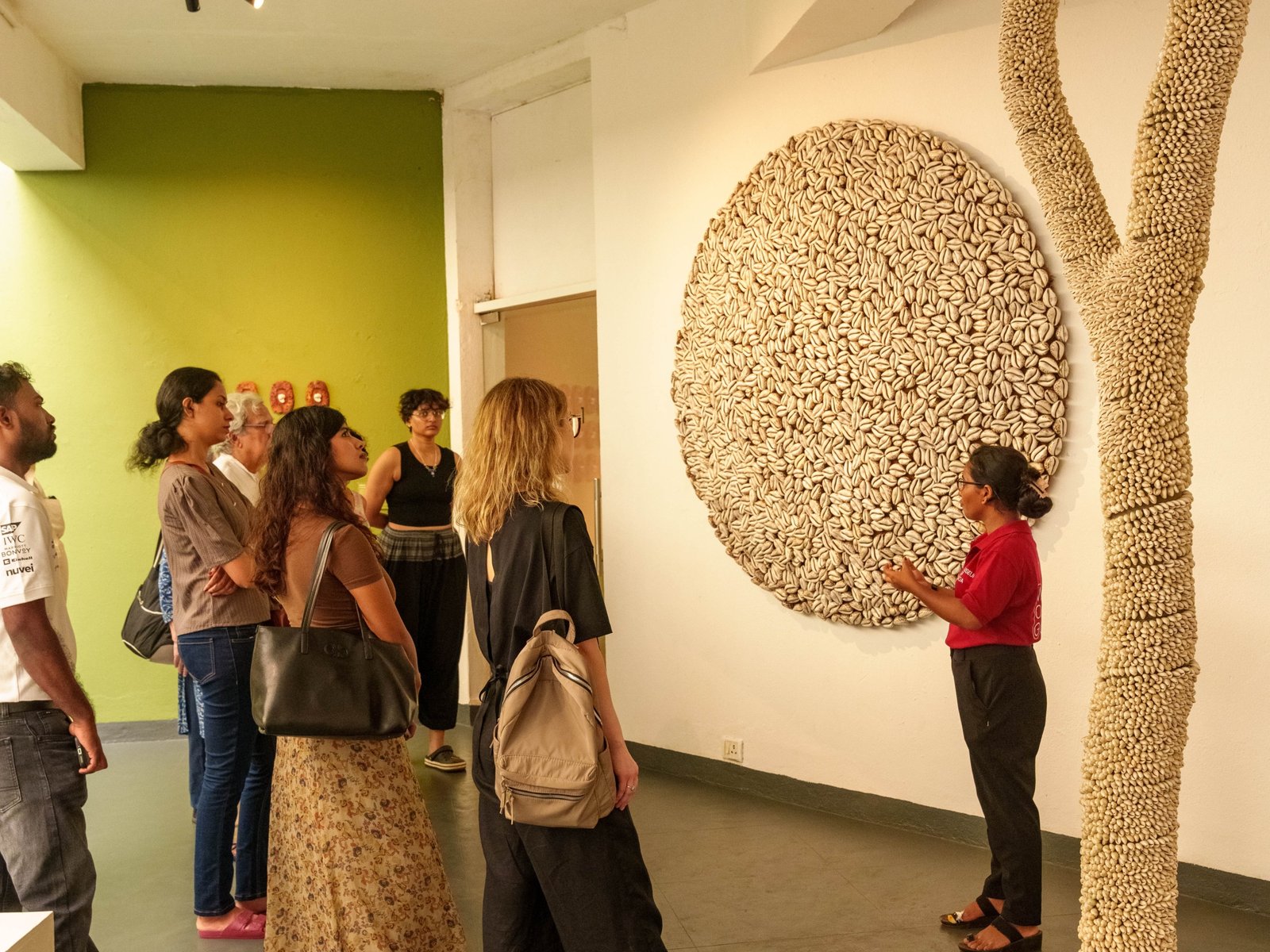
Why Do Museums Matter?
The impulse to preserve is amongst the oldest human behaviours. Before there were museums, communities passed down objects, stories, and practices because losing them felt like losing something of themselves. Museums are the formal version of that impulse, a deliberate decision that certain things should not disappear.
An object in a collection does more than survive. It carries the trace of the person who made it and the world that gave it meaning. That is what makes museums different, they keep the past in reach, not as something distant, but as something you can stand in front of and reckon with. Every object on display, every label written, every decision about what to collect is a statement about what a society thinks is worth holding onto. In Goa, these decisions are especially charged. The region’s history belongs to more than one community, and its museums reflect that.
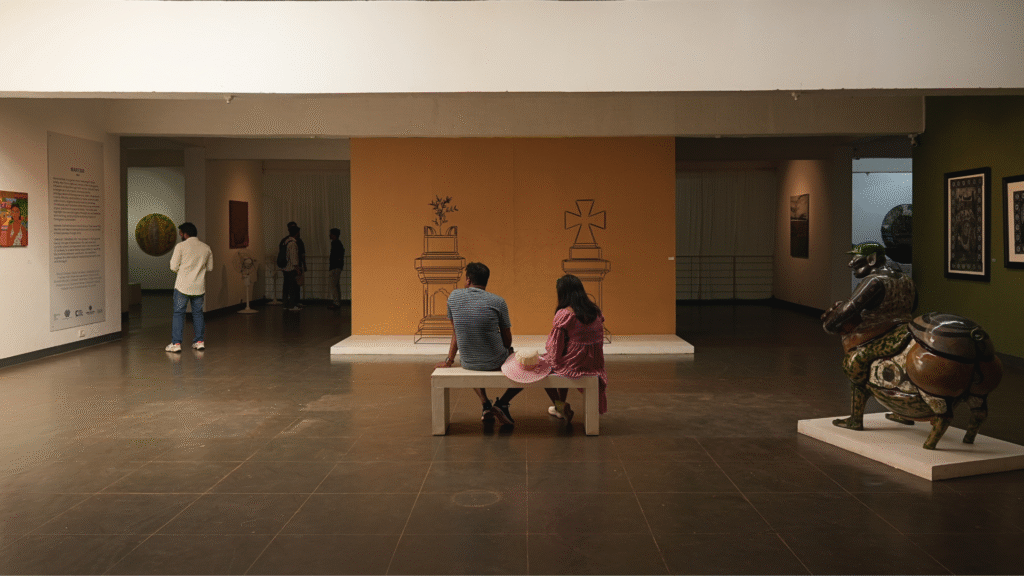
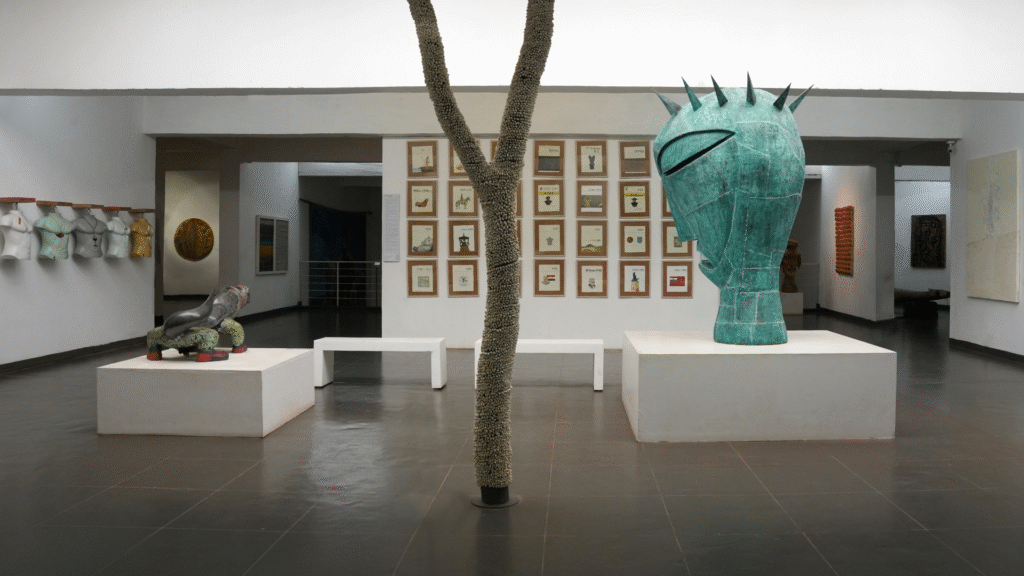
Goan Museums And Their Histories
Goa’s history does not lend itself to a single narrative. Its past moves through pre-colonial kingdoms, centuries of Portuguese rule, vernacular communities that existed alongside and outside both, and a contemporary culture still working out what it has inherited. Each of Goa’s museums addresses a different part of that story
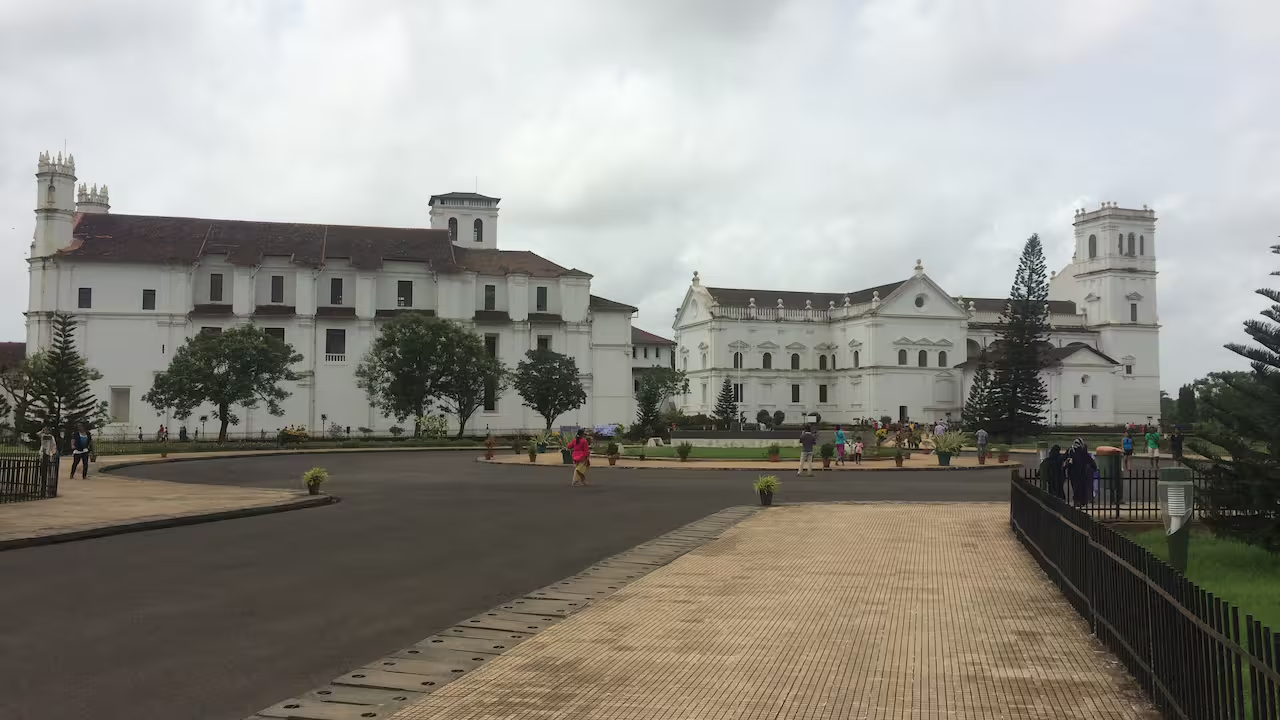
The Archaeological Survey of India holds the oldest layer, preserving sculptures, inscriptions, and material remains from Goa’s pre-colonial past. The Museum of Christian Art documents what Portuguese colonial rule left behind, devotional objects that show how local craft traditions and European religious forms shaped each other over centuries. They further work on shifting the focus from static displays to the human experiences behind them.
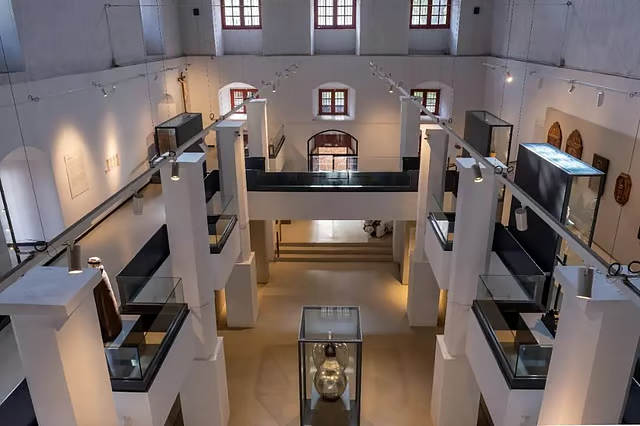
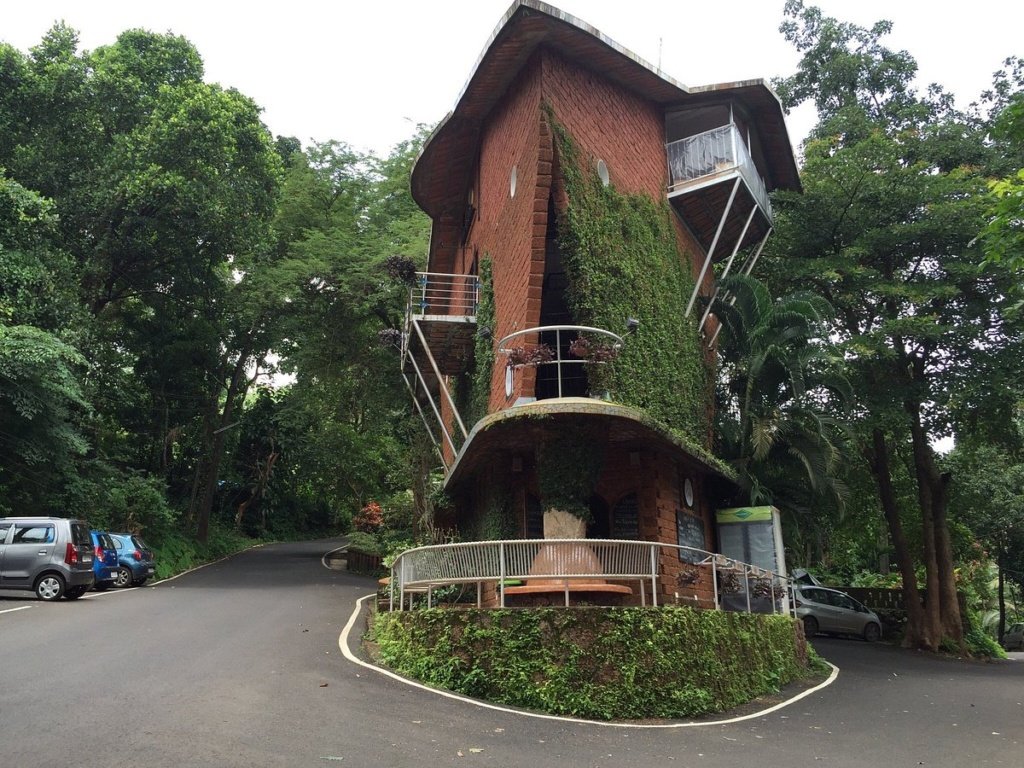
Highlighting this approach, Benjamin Monserrate from MoCA notes: “We at MoCA see a museum not just as a place of objects, but of people and stories. Each museum object carries traces of lives, traditions, and encounters across cultures,spaces where understanding grows and connections are rediscovered.”
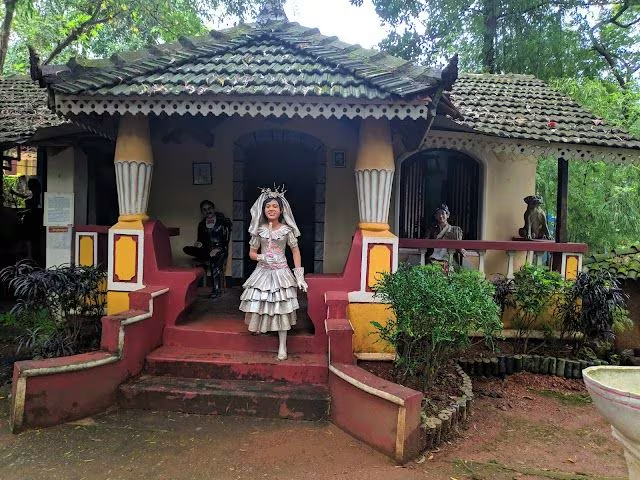
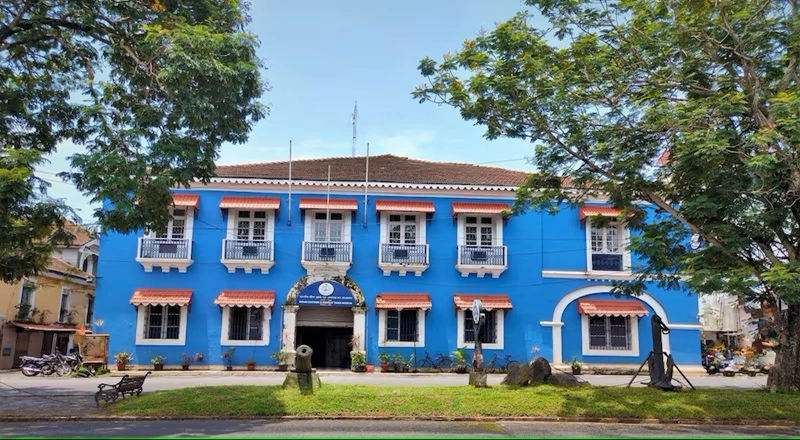
The Goa Chitra Museum, the Houses of Goa Museum, and the Big Foot Museum turn to everyday life: the tools people farmed with, the homes they built, the folk practices they carried forward. These are histories that rarely appear in formal records. The Customs and Central Excise Museum takes a different angle, tracing the trade routes and administrative networks that connected Goa to the wider world.
The Museum of Goa addresses the present with as much importance as the other institutions address the past. Through contemporary art and interactive installations, it opens up questions about how Goa’s histories are interpreted and who gets to participate in that interpretation. Together, these institutions do not offer one account of Goa, they offer many. That is not a limitation, for a place with Goa’s layered history, it is the only honest approach.
Museums and Public Engagement
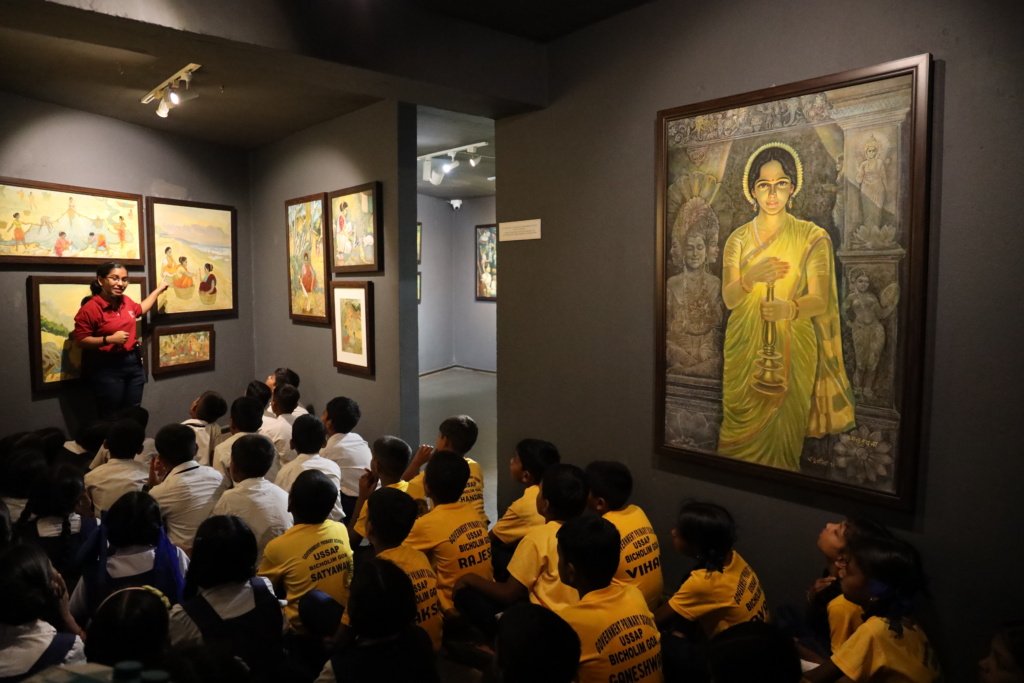
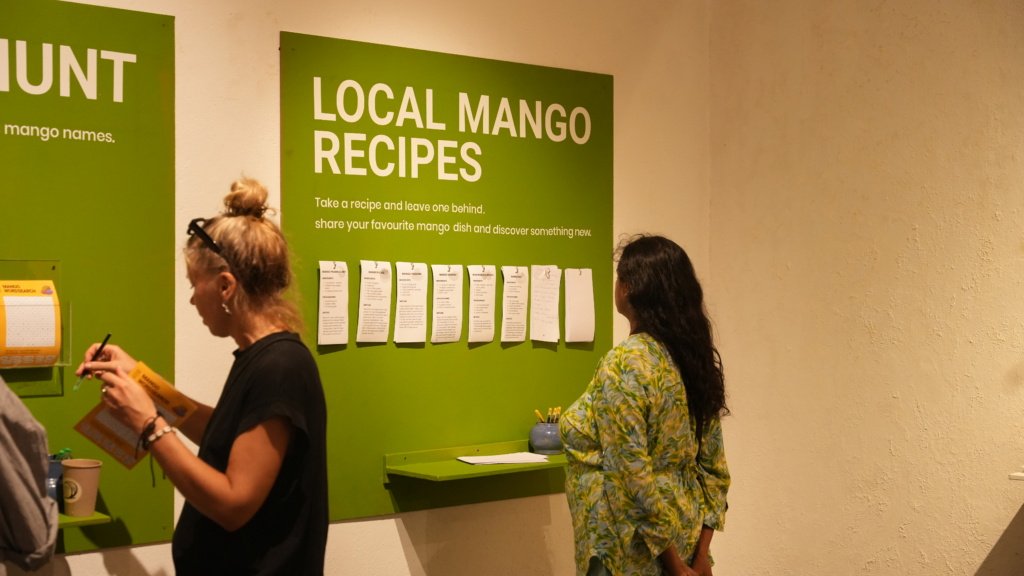
Museums are not only about exhibitions and collections; they also engage the public through a variety of interactive and community-based activities. In Goa as well, this shift has become increasingly visible, with museums expanding beyond traditional displays to include workshops, heritage walks, storytelling sessions, and other forms of public engagement. Across the sector, institutions are moving beyond traditional formats and experimenting with new ways of bringing people into contact with history, art, and culture. The museum as a silent viewing space is giving way to something more active, a place where things happen and visitors participate rather than observe.
This shift is visible in the range of activities museums now organise. Film screenings and artist talks create space for conversation that a conventional exhibition rarely allows. Storytelling sessions have become particularly significant, they give visitors an emotional way into history that a label on a wall cannot, connecting people to places, objects, and experiences that stay with them. Workshops and community events extend this further, turning the museum into a gathering point rather than simply a destination.
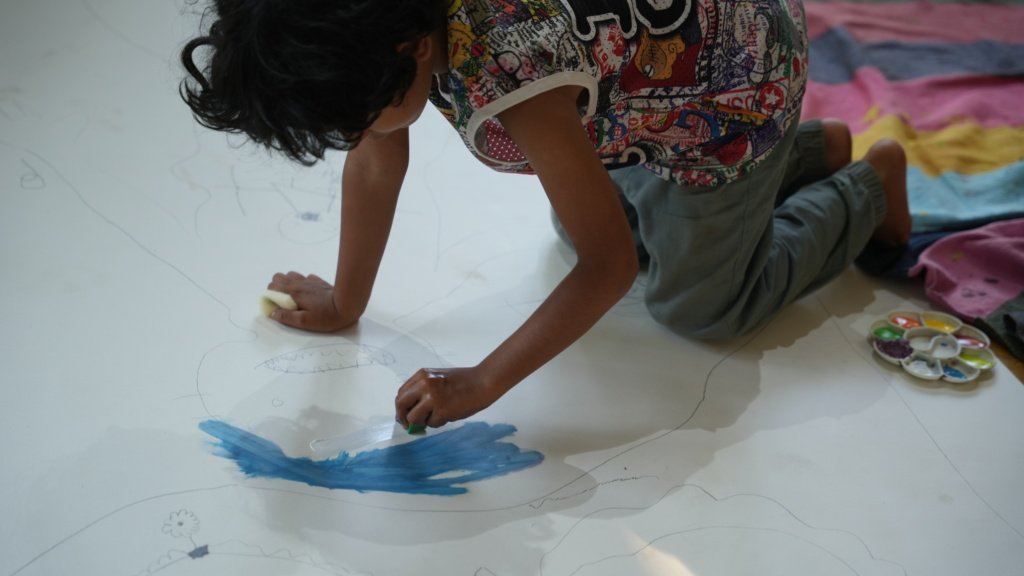
Younger audiences have been central to this shift. Many museums are developing hands-on, creative activities specifically designed for children and school groups, recognising that experiential learning builds a relationship with culture that lasts well beyond a single visit. At the same time, museums are increasingly working with artists, educators and filmmakers as collaborators rather than contributors, bringing new perspectives into how collections are interpreted and presented.
Taken together, these changes reflect a broader understanding of what a museum is for. Public engagement is not an addition to the core work, it is increasingly becoming a central part.
Challenges Faced By Museums
Museums all over the world are faced with the challenge of reaching audiences. Tourists arrive with recreational expectations that do not always align with serious cultural engagement, and finding ways to meet them without losing depth is an ongoing challenge. Younger audiences that thrive on digital media, need approaches that connect historical material to their own lives. Serving both groups well, without compromising what the museum is there to do, requires resources and a willingness to keep experimenting.
Goa’s climate works against its museums. Coastal humidity accelerates the deterioration of collections and heritage structures, and many institutions do not have the conservation resources to keep pace with that damage.There additionally remains a critical lack of sustained financial support. As highlighted by museum founders in recent discussions on International Museum Day, securing adequate funding is a primary challenge that directly undermines daily operations and long-term sustainability. The financial burden of maintaining heritage structures and employing specialized staff consistently outpaces the resources available. Without financial assistance, museums face an uphill battle in expanding their public outreach and upgrading infrastructure.
While there are many challenges faced by museums, these are the most highlighted. Despite these pressures, Goa’s museums are not standing still. Across the sector, conservation is increasingly seen not as an end in itself but as the foundation for keeping collections in active use, open to continued public engagement, reinterpretation, and scrutiny. It is from this position, under pressure but clear in purpose, that they approach the broader question of what a cultural institution is ultimately for.
Museums as Living Institutions
Museums preserve objects, but they also preserve the questions raised by them: who made them, who used them, and what they meant to different communities. In Goa, with its deeply layered and complex past, those questions are rarely simple.
This complexity is not a hurdle to overcome; it is the most valuable asset Goa’s cultural institutions possess. A space that brings together pre-colonial artefacts, Indo-Portuguese devotional art, and contemporary painting acknowledges that this region has never belonged to a single story. Each museum carries within it many histories of Goa, offering visitors a tapestry of multiple narratives rather than a singular, flattened account. Understanding this nuanced past is crucial, as it fundamentally helps us understand our present. Visitors are encouraged to step into these spaces and engage directly with these histories, transforming a simple visit into an active exploration of identity.
At the same time, this evolution places responsibility on the museum community itself. Cultural institutions can no longer remain passive. To survive and retain their value, museums must continuously adapt and transform to stay deeply relevant to changing times. Sitting with historical contradictions rather than simplifying them and positioning museums not as dusty warehouses, but as active participants in how history is continuously understood, debated, and passed on to future generations.
Authored by: Nicole Dsouza, Intern, Museum of Goa