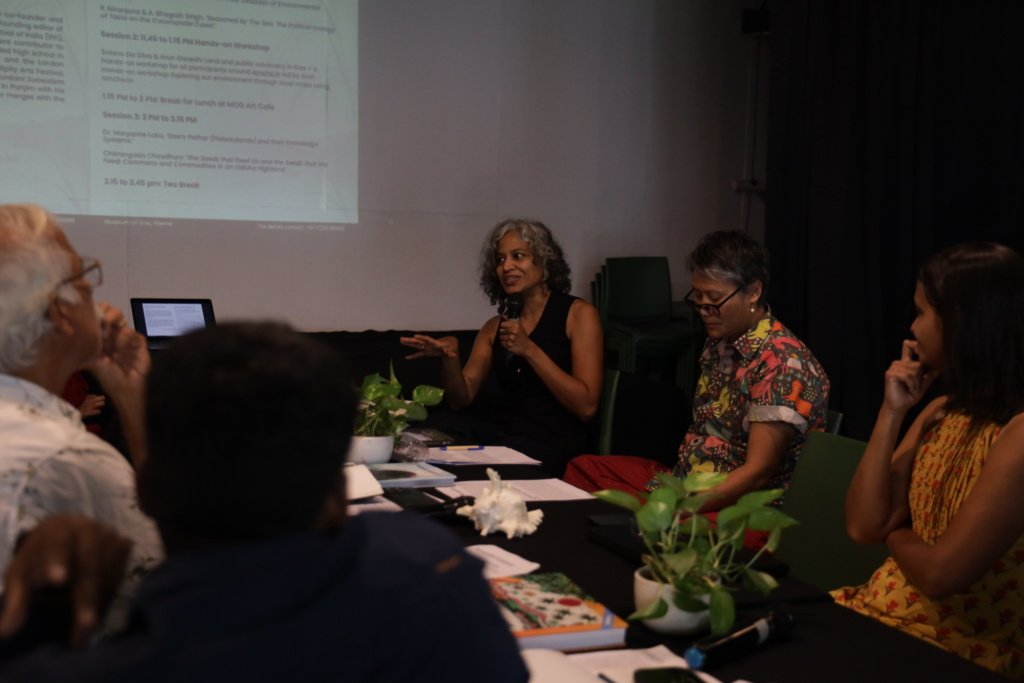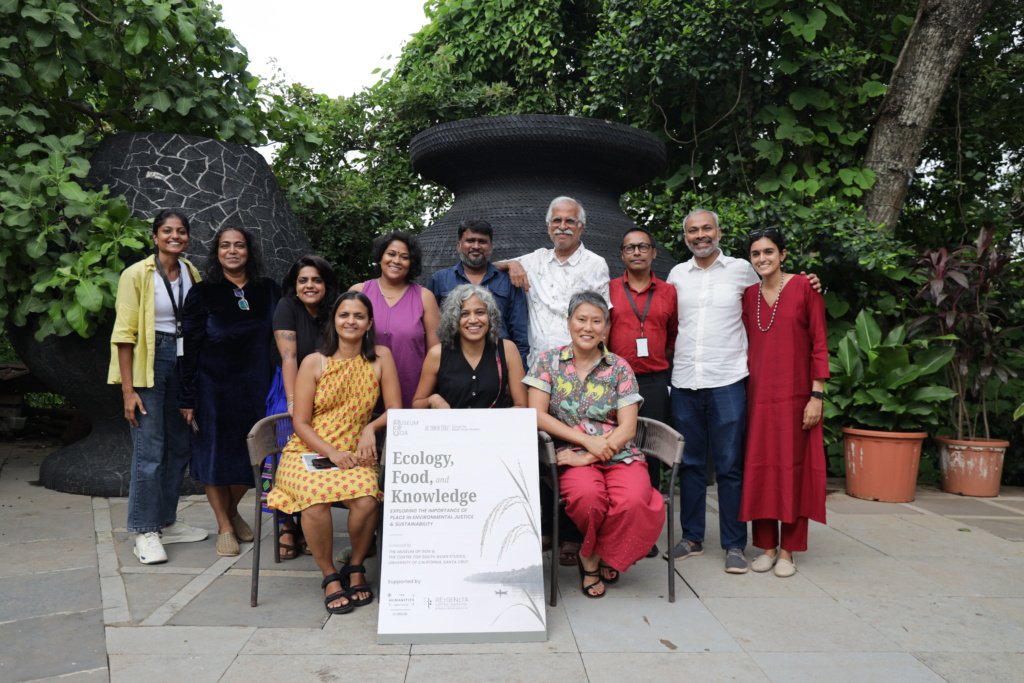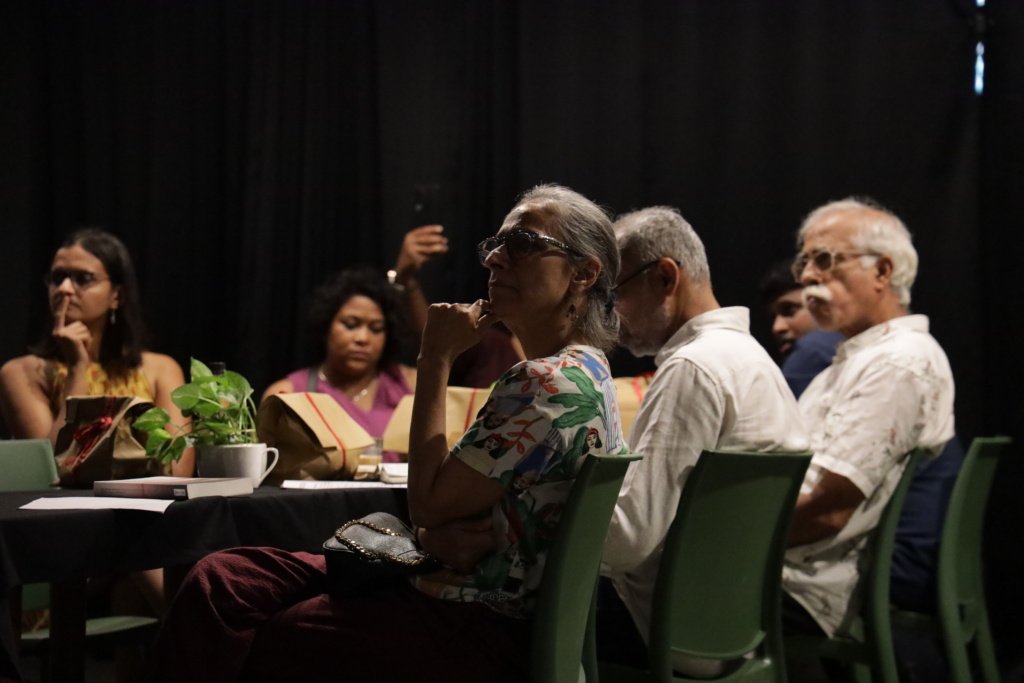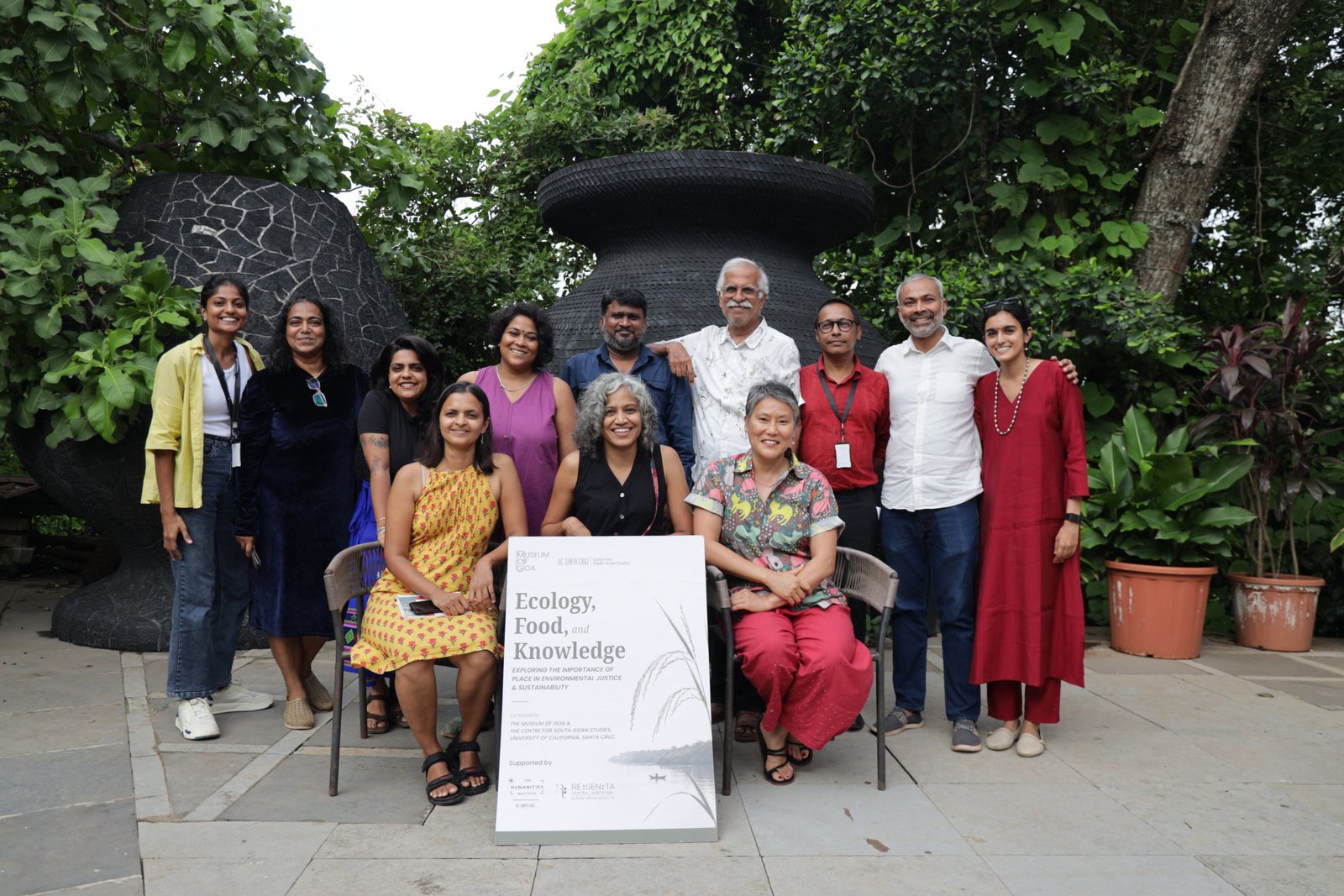
Environmental problems such as climate change, loss of biodiversity, food insecurity and depletion of natural resources have increasingly demonstrated that ecological problems cannot be understood only in a scientific or technological perspective. Rather, they are deeply intertwined with questions of culture, history, politics, livelihoods and social justice. Food systems, landscapes, indigenous knowledge and community practices are all part of how people relate to their environments and how they cope with the pressures of rapid development and environmental degradation. These complex challenges therefore call for interdisciplinary approaches that recognize the relationships between environmental, cultural and social systems
In this context, the symposium titled ‘Ecology, Food and Knowledge – Exploring The Importance of Place in Environmental Justice and Sustainability’ held on 27-28 June 2026 at the Museum of Goa, brought together a wide-ranging community of scholars, environmental practitioners, artists, filmmakers, anthropologists, journalists, writers, activists, students and community researchers to explore the intersections of ecology, food, culture and knowledge. The symposium was conceived and curated by the journalist, filmmaker and geographer Chitrangada Choudhury, the anthropologist and filmmaker Dolly Kikon, and writer and museum curator Nilankur Das, and was jointly hosted by the Centre for South Asia Studies, University of California, Santa Cruz and the Museum of Goa (MoG). The symposium strived to offer a space for collaborative dialogue across disciplinary boundaries, and with members of the public. Going beyond silo-driven perspectives on environmental issues, participants explored how scientific research, indigenous knowledge, artistic practice, community experience and public engagement can collectively contribute to more sustainable and equitable futures.
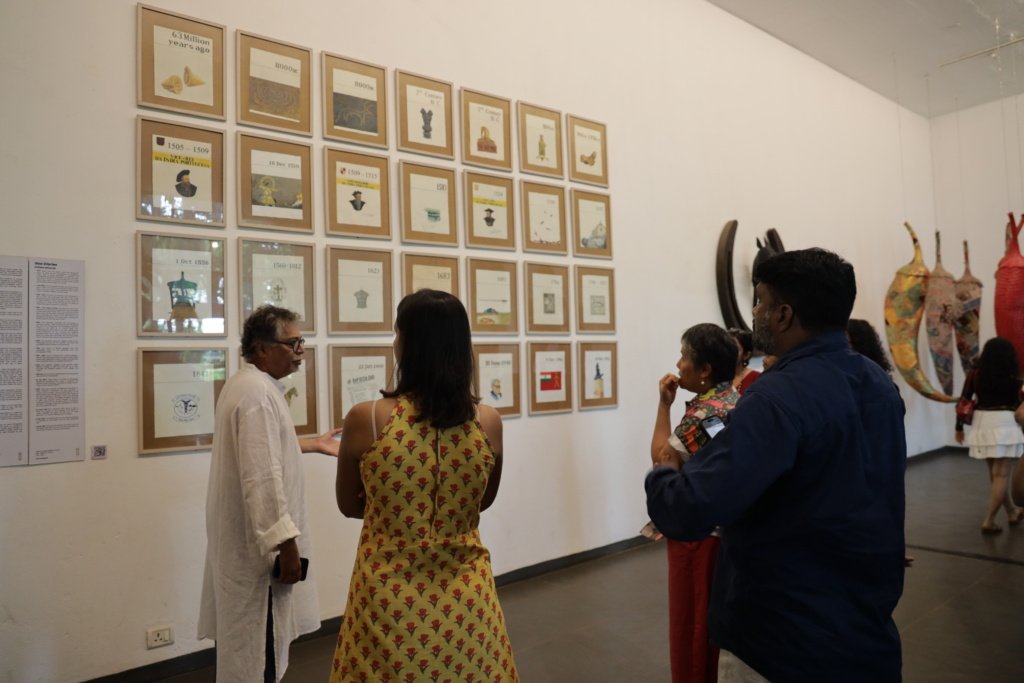
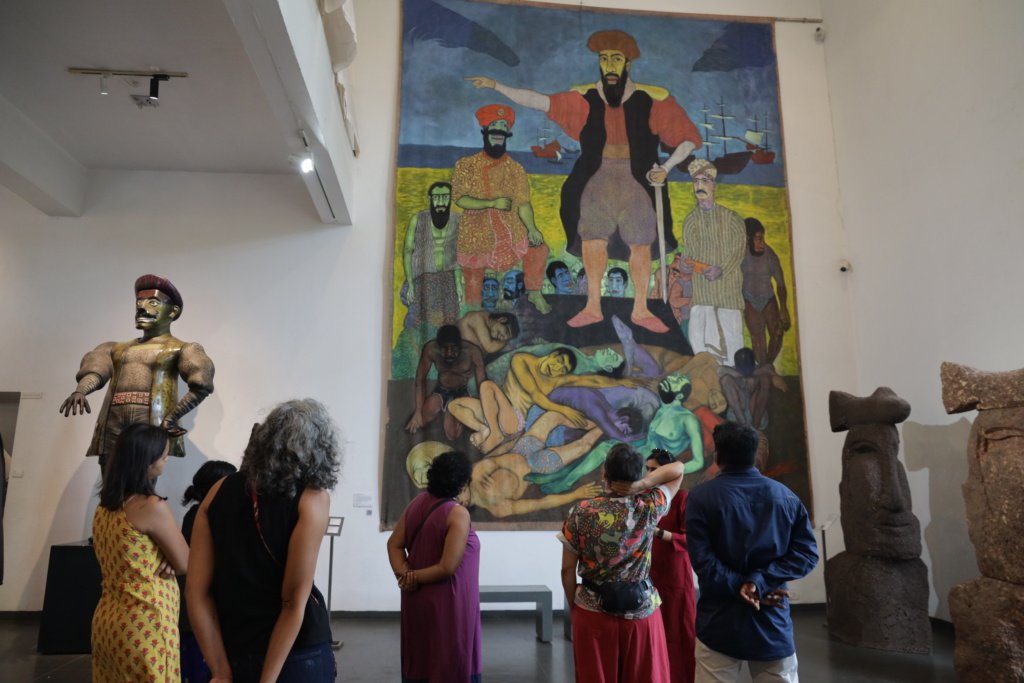
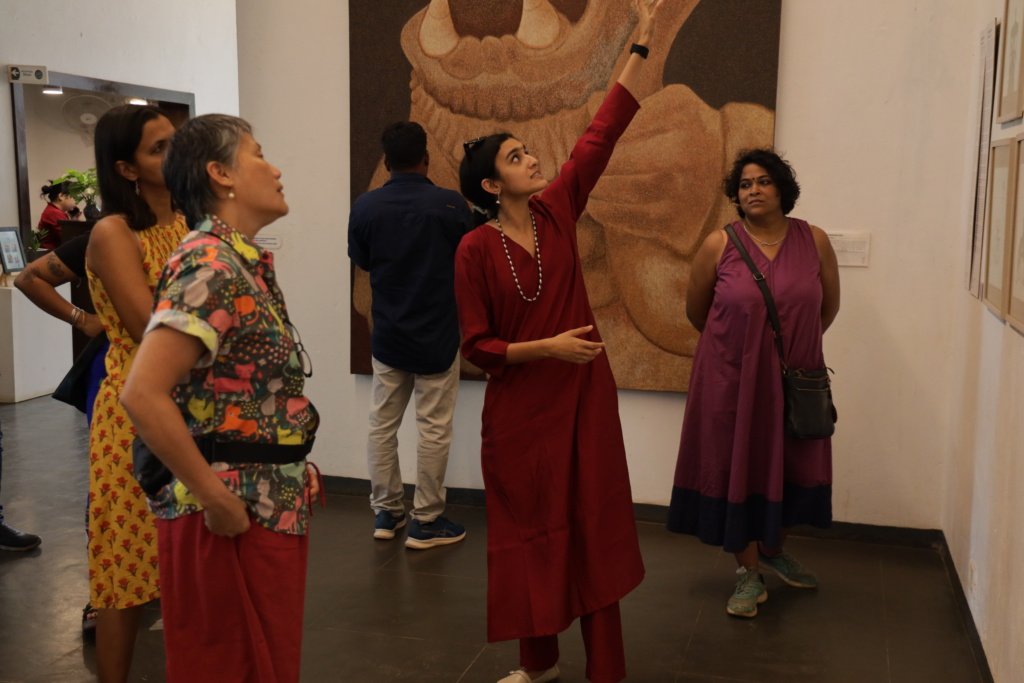
The two-day programme included a research workshop, documentary screenings, book talks and and public engagement on themes including food sovereignty, agricultural biodiversity, coastal and plateau ecosystems, participatory mapping, environmental justice and the conservation of traditional ecological knowledge. The discussions highlighted that ecology is not only about the conservation of natural landscapes but also about the relationships between people, culture, labour, memory, identity and place. A recurring theme was that environmental knowledge is not produced solely within academic institutions but is embedded in the everyday practices of farming communities, fishing cultures, indigenous traditions, and local ecological experiences. This symposium drew attention to these different kinds of knowledge, challenged traditional hierarchies of expertise, and emphasized community participation in environmental research, conservation, and policy-making.
The symposium also examined the role of museums, storytelling, documentary filmmaking, and the arts in raising awareness about ecological issues among wider audiences. It reflected the shared vision of the Museum of Goa and the Centre for South Asia Studies, University of California, Santa Cruz. While the Museum of Goa uses art to make the stories of people and places accessible to diverse audiences, the Centre advances interdisciplinary research and dialogue on the social, cultural, and environmental realities of South Asia. Together, the symposium demonstrated how art, research, and community engagement can foster meaningful conversations around ecological sustainability.
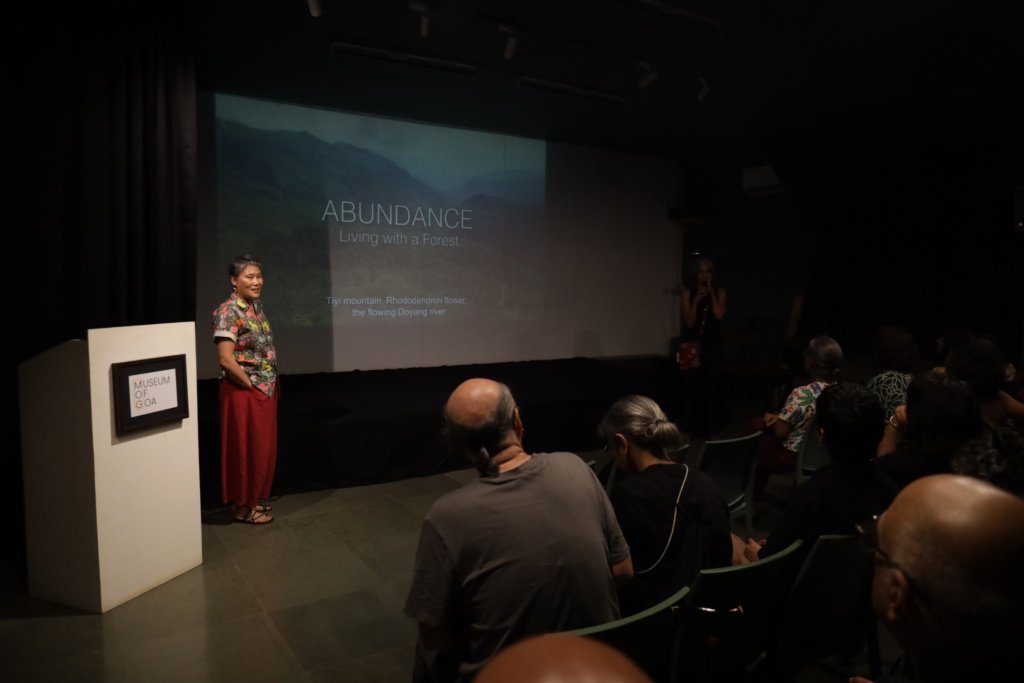
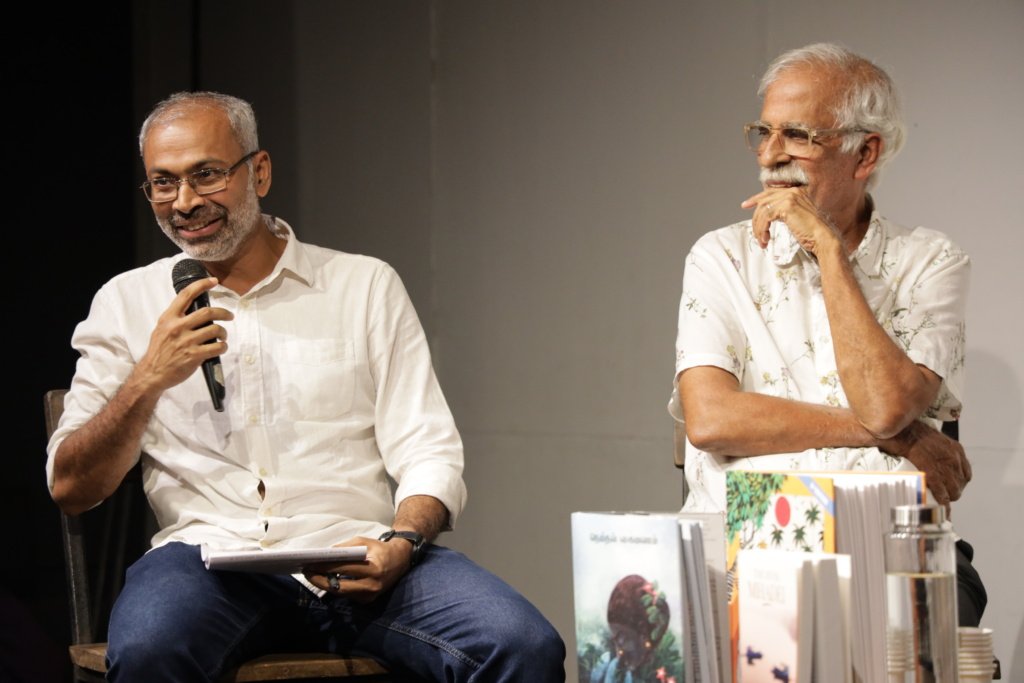
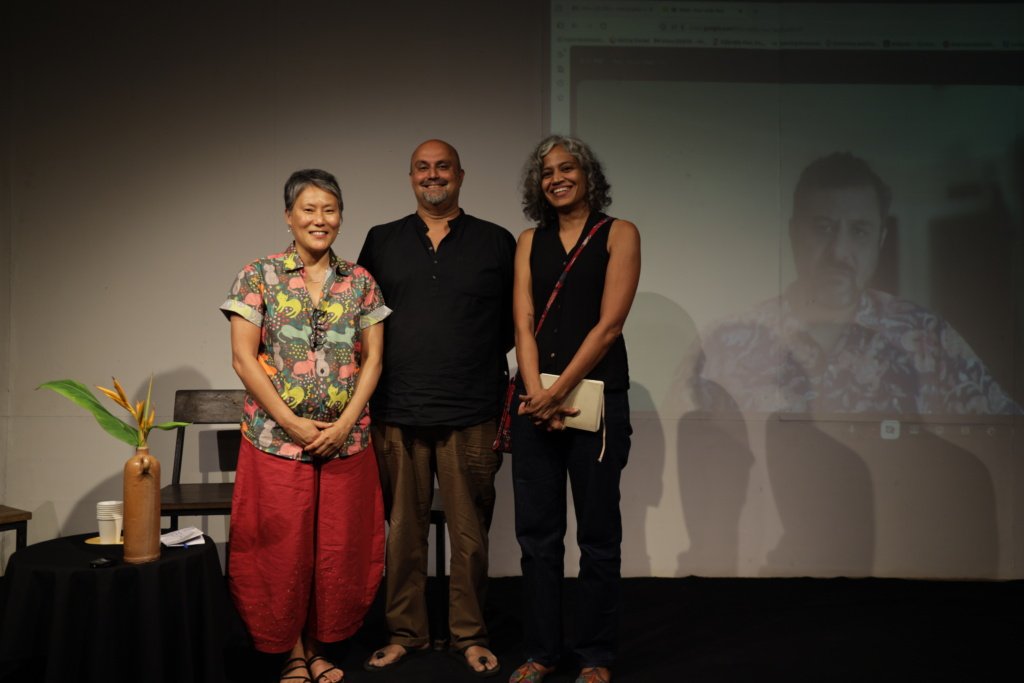
Many presentations highlighted urgent issues such as the loss of biodiversity, environmental degradation and the decline of traditional knowledge systems, but the symposium also provided examples of resilience, community-led conservation and collaborative action. These discussions reinforced the idea that sustainable futures depend on partnerships between researchers, local communities, cultural institutions, policy-makers and civil society, rather than isolated interventions.
This report outlines the key presentations, discussions, workshops and public engagement activities of the symposium, while also highlighting the wider themes that emerged over the two days. In doing so, the report shows that tackling today’s environmental challenges requires recognising the interconnectedness of ecosystems, communities and knowledge systems, while reaffirming the value of dialogue, collaboration and shared responsibility in shaping sustainable futures.