
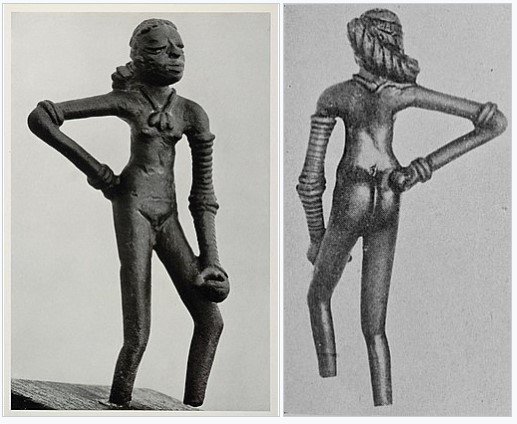
Every generation inherits the past, but no generation inherits it unchanged. Historical narratives are constantly revised, reinterpreted, and at times simplified to reflect the concerns of the present. A recent example was the masking of the Indus Valley Civilization’s famous Dancing Girl in NCERT textbook, which sparked a debate greater than the image itself. Why did the covering of a small bronze sculpture provoke such strong reactions? Because it symbolised something much larger. It raised a fundamental question: if history can be altered in the way it is presented, can it ever truly be erased, or can it only be censored?
History, Memory, and Power
History is not only about what happened; it is also about what survives, what is remembered, and what each generation chooses to emphasise. It has rarely been neutral. Across cultures and centuries, those in positions of authority have shaped public memory to legitimise their rule, strengthen identities, or promote particular interpretations of the past. History is not singular; rather, it reminds us that historical narratives have different perspectives and are influenced by political priorities, cultural values, and the questions each generation asks of the past.
George Orwell wrote in 1984, “He who controls the past controls the future. He who controls the present controls the past.” His words continue to resonate because shaping collective memory also shapes identity. The debate surrounding recent changes to school curricula belongs to this much older tradition. Every society decides what deserves emphasis, what deserves less attention, and how the past should be presented to future generations.
The NCERT Debate: What Should Be Remembered?
Following the COVID-19 pandemic, NCERT textbooks underwent a process of “rationalisation” intended to reduce the academic burden on students. During this revision, sections on the Mughal Empire, caste, poems, the 2002 Gujarat riots, and several social movements including the Narmada Bachao Andolan, the Chipko Movement, the Right to Information movement, and the anti-liquor movement in Andhra Pradesh were reduced or removed.
Whether these changes are viewed as educational reforms or as shifts in historical emphasis, they raise important questions.
What should people remember?
What should people forget?
More importantly, who gets to decide?
These questions are not unique to India. Across history, societies have continually revised historical narratives in response to changing political, cultural, and educational priorities. Yet textbooks are only one way in which societies remember the past. Beyond the pages of school curricula lies another archive that is far more difficult to silence: the objects themselves.
The Memory of Objects
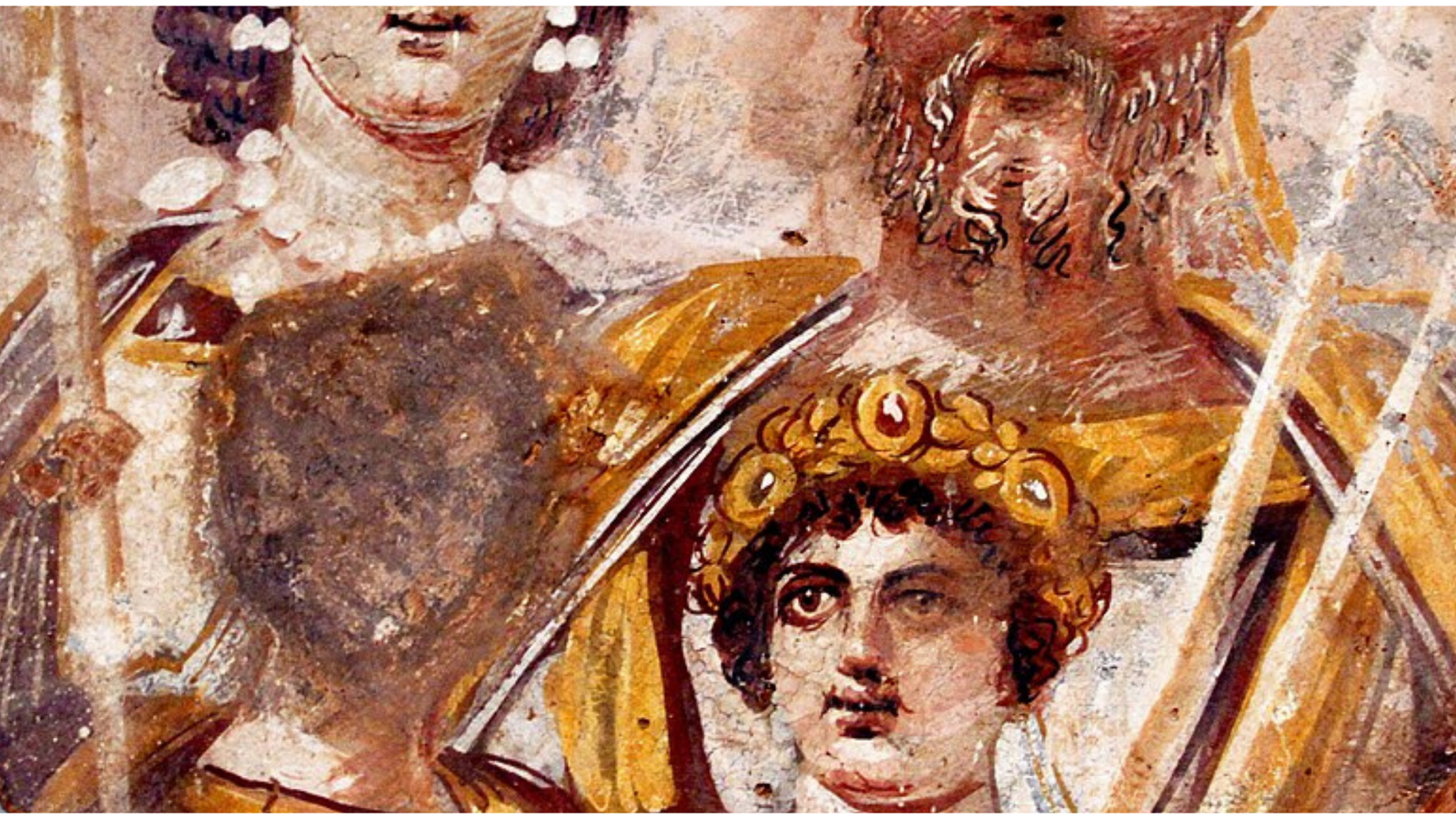
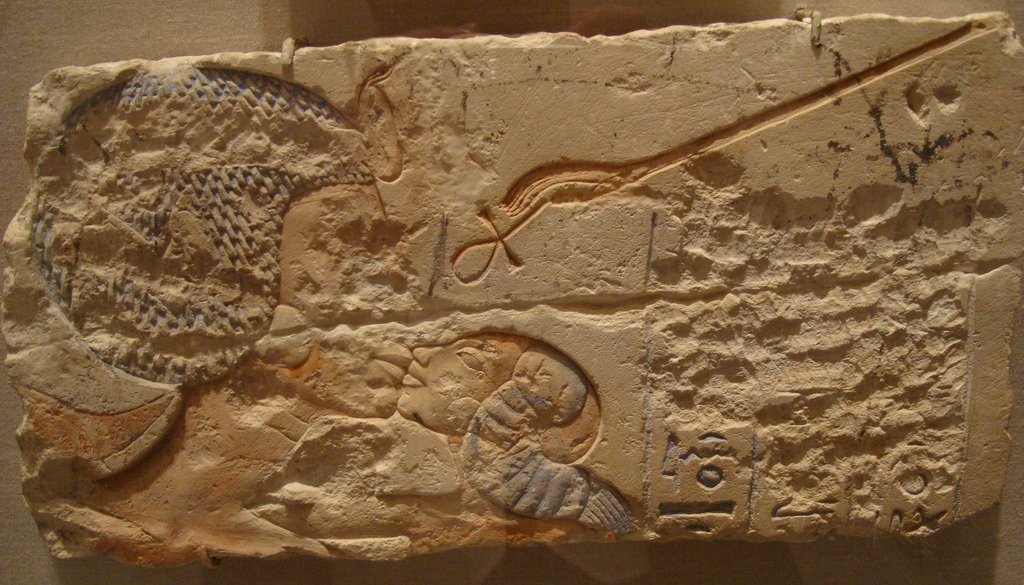
While historical narratives continue to evolve, objects possess a remarkable ability to outlive political change. Across history, rulers have attempted to reshape public memory. Ancient Egyptian pharaohs erased the names of predecessors from monuments. Roman emperors practised what is now known as damnatio memoriae, the “condemnation of memory”, removing names from inscriptions, destroying portraits, and attempting to erase disgraced rulers from official history.
Ironically, the damaged sculptures, altered inscriptions, and defaced monuments became evidence of the people they wanted to eliminate. The traces of destruction now tell historians as much as the original monuments once did. The same principle applies to contemporary debates over history. Objects do not disappear simply because they receive less attention in textbooks. Archaeological artefacts, monuments, paintings, inscriptions, manuscripts, and coins continue to exist as primary historical evidence, available for future generations to study and reinterpret.
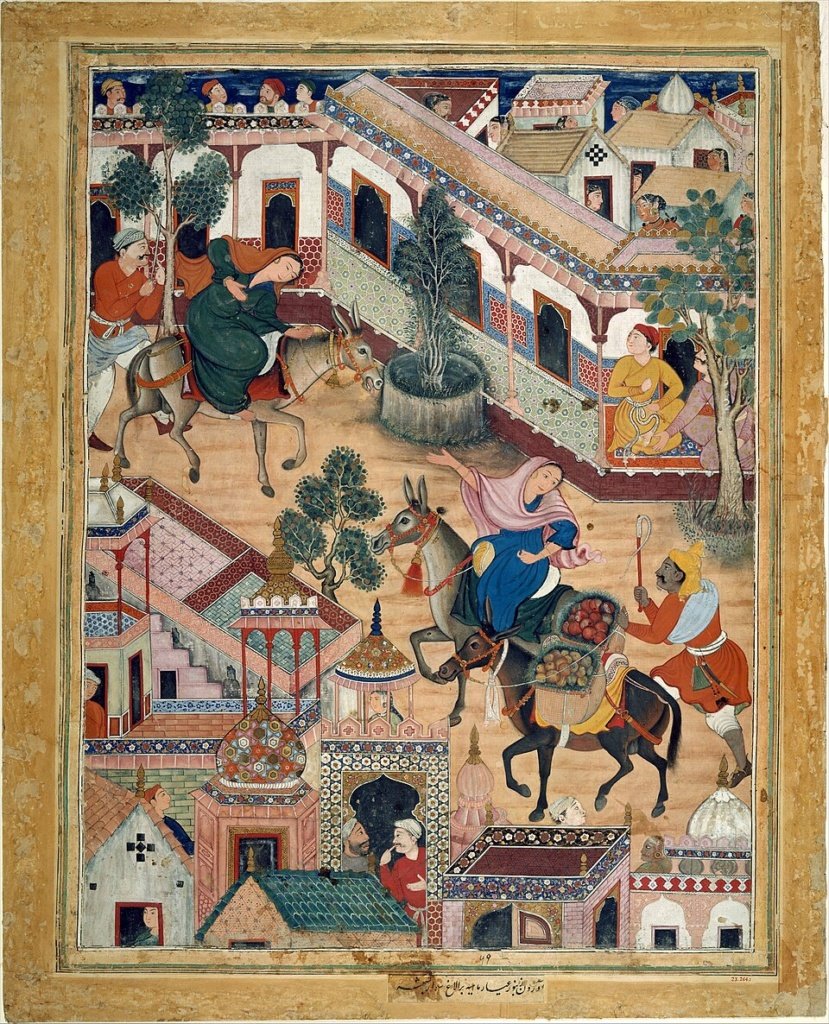
The Dancing Girl has existed for over four thousand years. Whether or not she appears in a textbook, she continues to testify to the technological sophistication, artistic skill, and urban culture of the Indus Valley Civilization. Likewise, reducing discussion of the Mughal Empire in school curricula does not diminish the vast body of surviving evidence. Miniature paintings, forts, gardens, architecture, calligraphy, coins, manuscripts, and administrative records remain indispensable historical sources. They continue to speak long after political debates have changed.
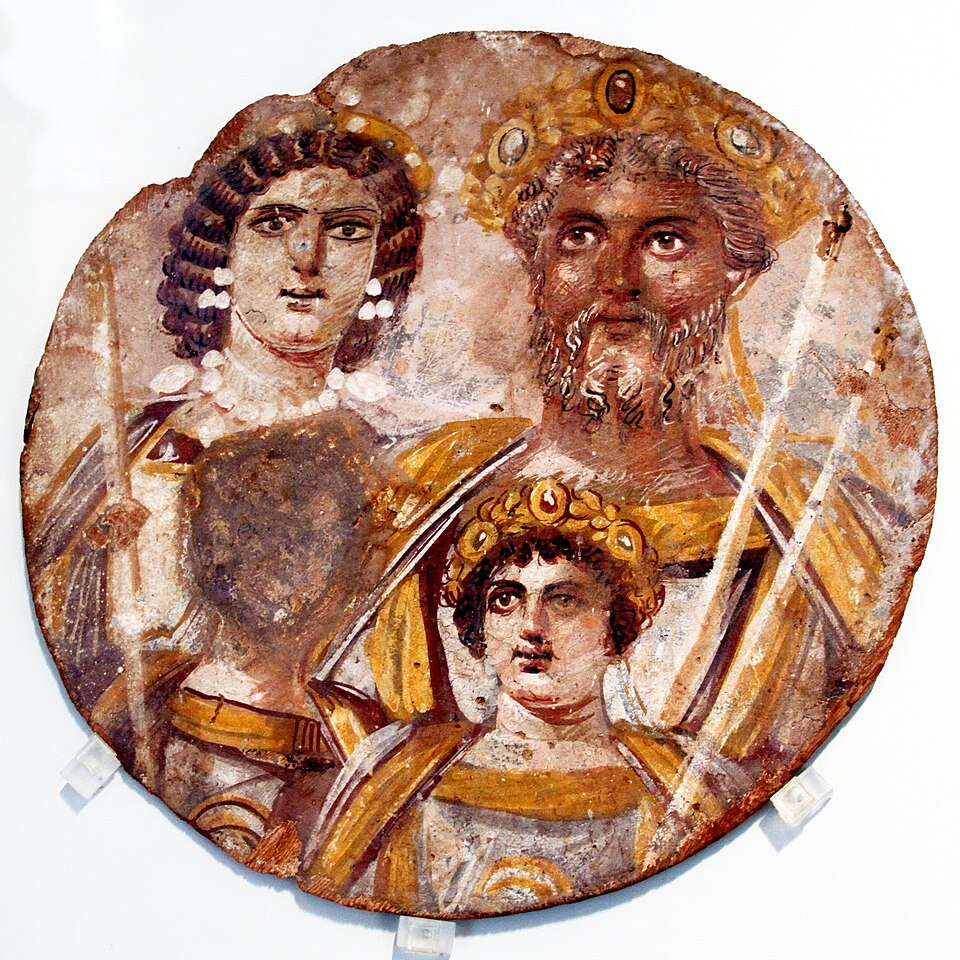
The impulse to reshape collective memory is neither new nor confined to any one culture, religion, or political system. The motives may have varied from political legitimacy and religious belief to ideological control but the pattern remains consistent. Yet these efforts have rarely succeeded in erasing history entirely. More often, they leave behind new evidence that reveals not only what once existed but also the very attempt to suppress it.
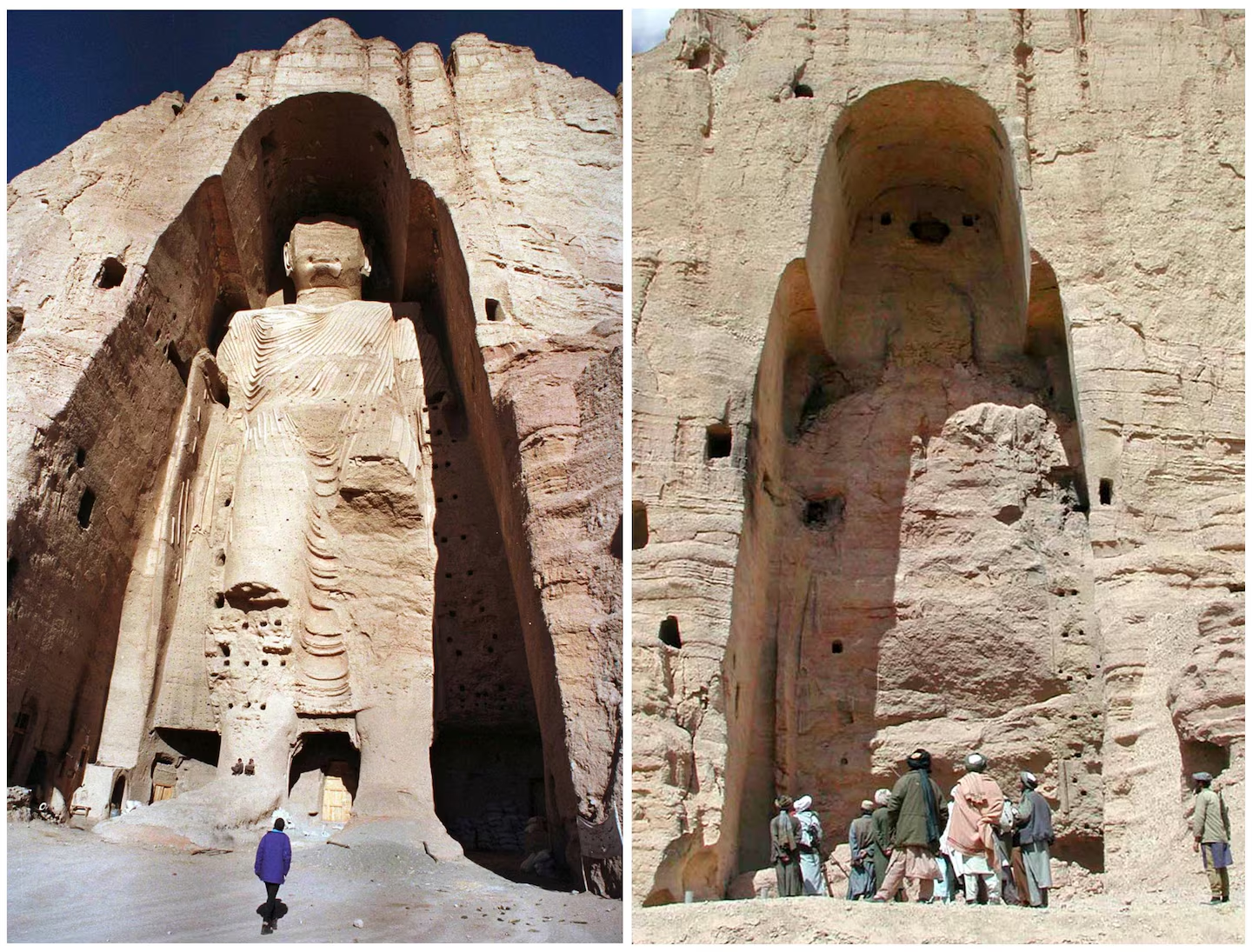
The Bamiyan Buddhas of Afghanistan, carved between the fourth and sixth centuries CE, stood for more than a thousand years as extraordinary examples of Buddhist art along the Silk Road. In 2001, they were destroyed by the Taliban, who declared that “all fake gods must be destroyed.”Yet the photographs, archaeological documentation, travellers’ accounts, and even the empty niches carved into the cliffs continue to testify to the Buddhas’ existence. Their absence has become as significant as their presence once was. The sculptures no longer stand, but they have not disappeared from history.
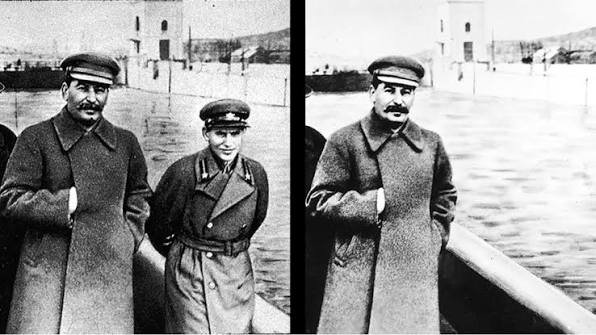
Attempts to reshape memory are not limited to monuments. Under Joseph Stalin, the Soviet Union systematically altered photographs to remove political opponents from official records. Individuals who had fallen out of favour simply disappeared from images, creating the illusion that they had never existed. These altered photographs demonstrate that censorship is rarely confined to written history. Images, artworks, and visual records are equally vulnerable to manipulation. Yet historians today often recover the original photographs, compare different versions, and reconstruct what was removed.
Conclusion
Perhaps history can never be completely erased. It can be rewritten, shortened, reframed, or even deliberately silenced, but the material traces of the past continue to endure. History should be presented as honestly as possible, allowing readers to form their own conclusions. Only by confronting the past in its entirety, the admirable, the uncomfortable, and the tragic can societies learn from their mistakes, take pride in their achievements, and understand the complexities of their own development.
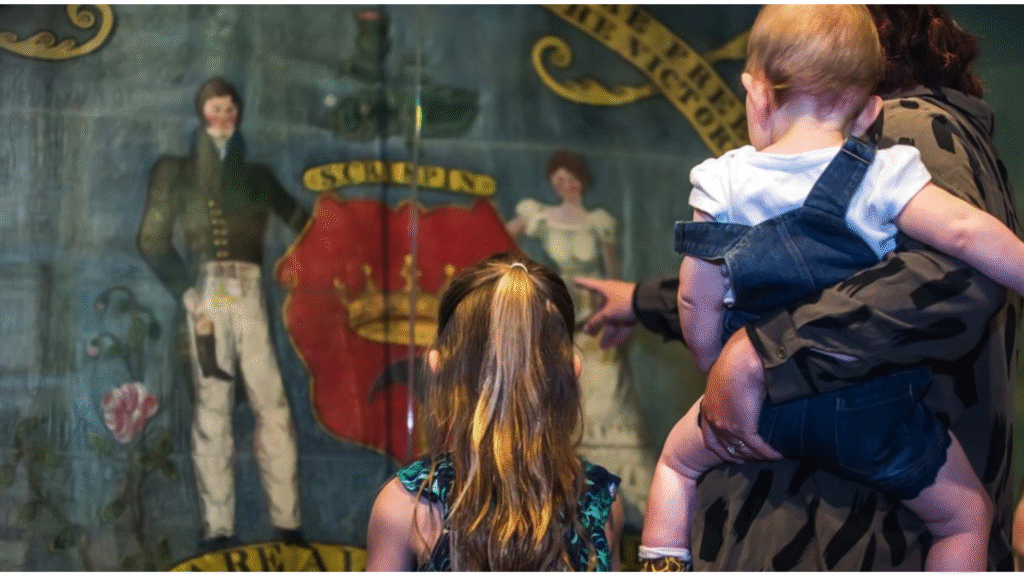
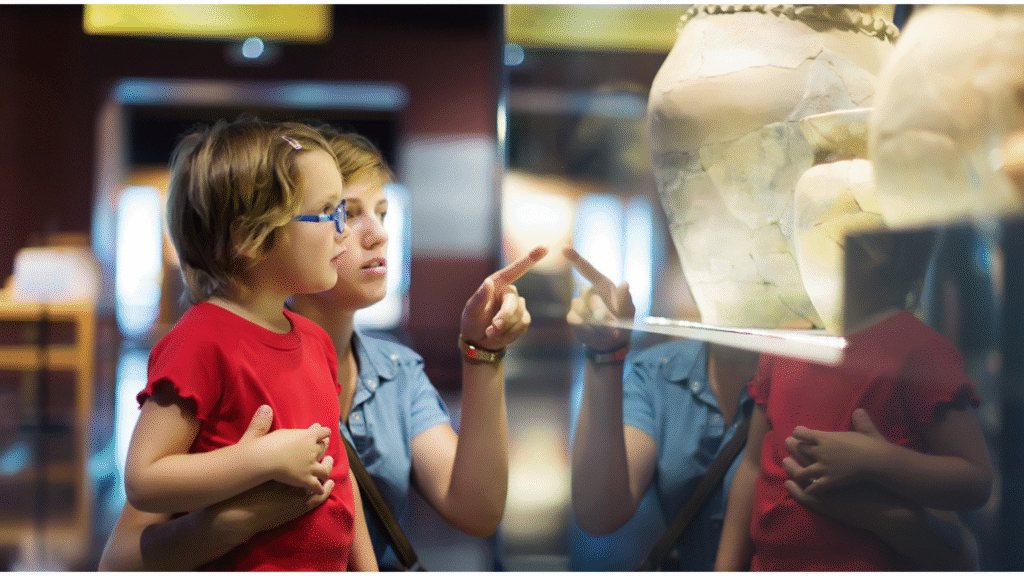
Objects do not speak with a single voice, nor do they tell us everything. But they remind us that the past is always larger than the stories we choose to tell about it. This is why art matters. It is not merely decoration or cultural heritage; it is evidence. It preserves technologies, beliefs, and identities that may be overlooked, omitted, or erased from written records. Even when damaged or destroyed, the marks of that destruction become part of the historical record, revealing not only what once existed but also what later generations attempted to suppress.
Every generation has the right to reinterpret history in light of new evidence and new questions. But reinterpretation is different from erasure. A mature society does not fear the complexity of its past. It studies it, debates it, and learns from it. The task of history is not to make us comfortable, but to help us understand. As long as the objects of the past remain, they will continue to challenge narratives, reminding us that memory is often far more enduring than any textbook.
Authored by P S Soorya, Publication Associate, Museum of Goa
References
Five years of NCERT Textbook revisions: 2022 to 2026 | Education for All in India. Education for All in India.
Chopra, R. (2023, April 7). In NCERT Textbook Trim: Mughal era, Delhi Sultanate, Emergency impact and 2002 riots. The Indian Express.
Mollan, C. (2026, June 16). NCERT: Image of nude “dancing girl” sculpture restored in Indian textbook after backlash.
SALMON, L. M. (n.d.). WHY IS HISTORY REWRITTEN? Vol. cxcv (No. 675; pp. 226–227).
Chadha, S. (2019, November 4). Rewriting Indian history – A view point. Times of India Voices.
Hindu College Gazette Web Team. (2024, July 14). Rewriting history. HCG.
García-Bullé, S. (2022, June 16). History and Historiography: What is the difference? Observatory – Institute for the Future of Education.
Morgan, Llewelyn (2012). The Buddhas of Bamiyan. Harvard University Press. p. 15.
Art of Deception: photo manipulation in Stalin’s surveillance state. (n.d.). COMRADE Gallery.