

October 31, 2026 - October 31, 2036
Included in MOG Ticket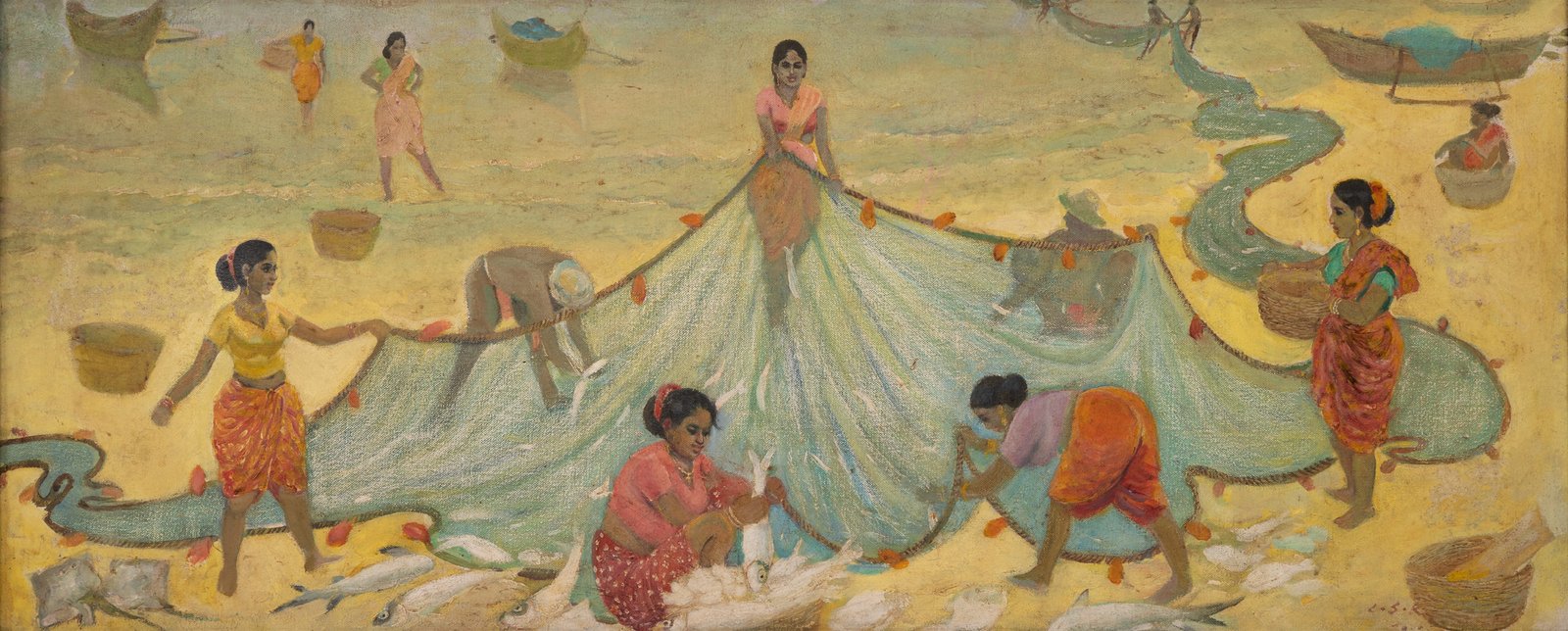
Goa Nostalgia
Exhibition Overview
Goa Nostalgia presents a selection of oil paintings by C. S. Kerkar was created between the 1950s and 2004. Through scenes of fishing communities, village life, religious practices, domestic activities, and everyday encounters, the exhibition offers a visual record of Goa across a period of significant social and cultural change. The paintings capture coastal and riverside landscapes, traditional occupations, local architecture, and the people who shaped these environments, preserving glimpses of ways of life that have evolved over time.
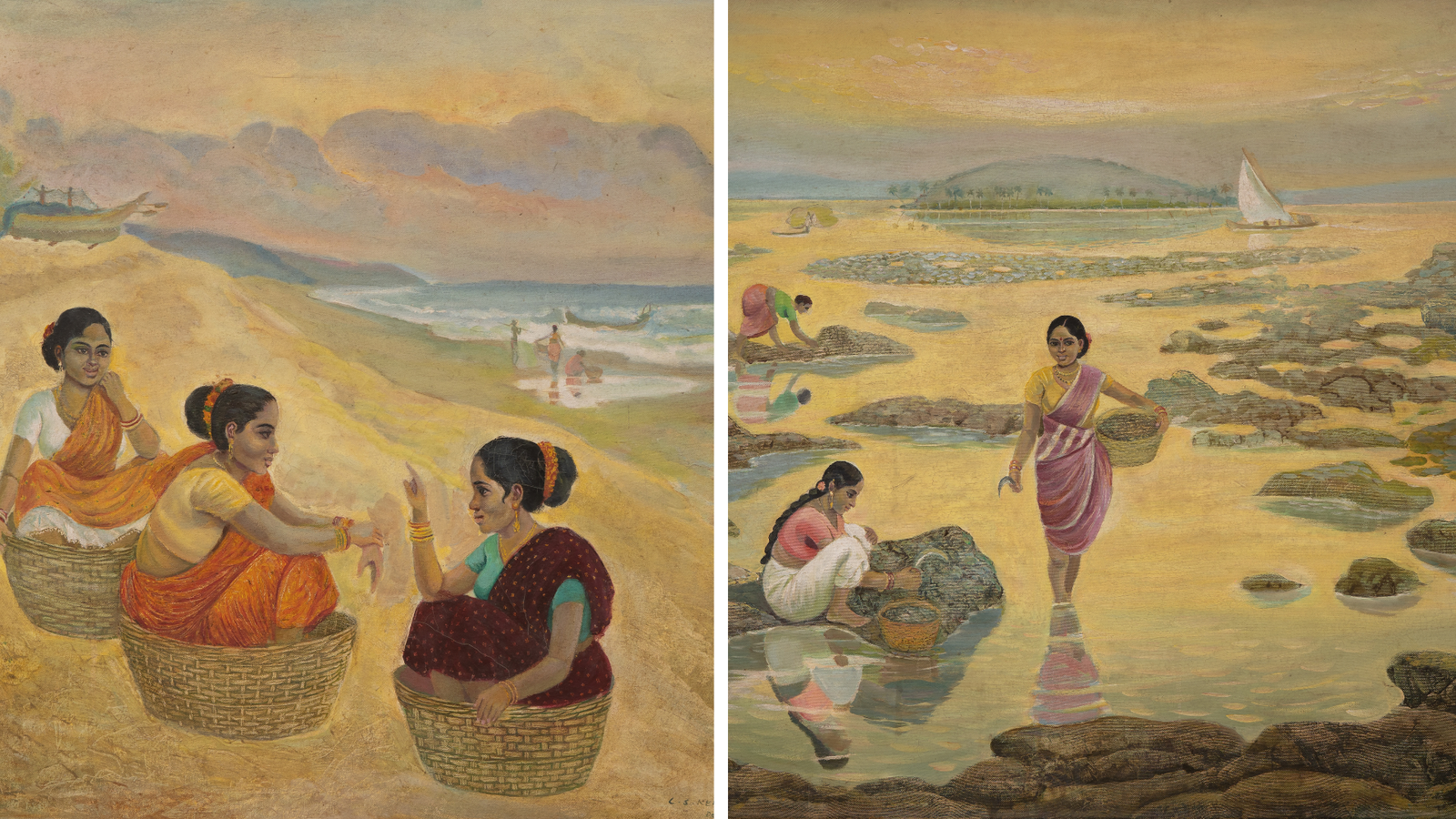
Everyday activities like fish being brought ashore, women gathering shellfish along the coast, vendors selling their catch in village markets, passengers sharing a river crossing, and women working together in their households reveal the connections between livelihood, community, and place. These scenes also document the knowledge and practices through which people engaged with their surroundings, from understanding the tides to navigating rivers and sustaining household traditions. Rather than presenting the past as a distant or unchanging world, Goa Nostalgia invites visitors to consider the relationships between memory, cultural continuity, and change.
Curatorial Approach
The exhibition approaches painting as a record of lived experience. Through Kerkar’s depictions of ordinary people and familiar settings, it draws attention to histories that are often preserved through everyday practices rather than formal documentation. The works offer visual accounts of occupations, social interactions, domestic routines, and religious traditions, allowing visitors to consider how individual scenes can reveal broader aspects of Goan society.
The exhibition brings these observations together to consider Goa’s cultural diversity and the continuities within its changing landscape. Through the details of everyday life, it encourages visitors to look beyond nostalgia and engage with the histories, skills, and social relationships embedded in the places and practices depicted.
What You Will Encounter
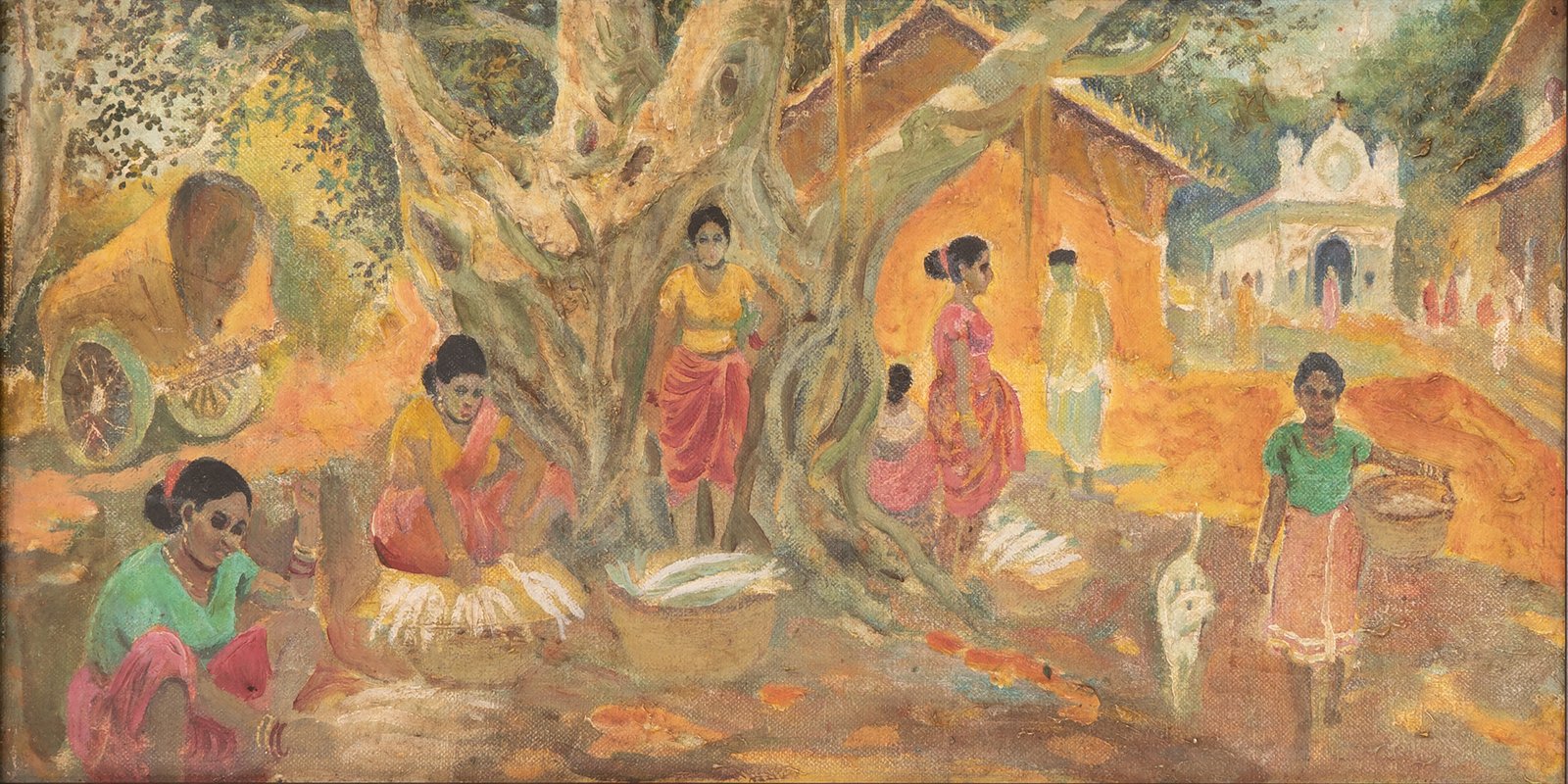
The exhibition presents oil paintings depicting Goa’s coastal communities, village markets, domestic life, religious practices, and traditional modes of transport. Visitors encounter paintings depicting fishermen bringing in their catch, fisherwomen gathering shellfish and selling fish, women engaged in household activities, passengers sharing river crossings, and communities celebrating religious festivals. Together, these scenes offer glimpses into the occupations, customs, and everyday interactions that have shaped life in Goa.
Themes
Memory and Change: Created between the 1950s and 2004, the paintings preserve visual records of Goa across several decades. Details of clothing, architecture, occupations, transport, and public spaces offer points of comparison with the present. The works invite visitors to consider how everyday life has changed and what continues to hold meaning across generations.
Livelihood and Local Knowledge: The paintings highlight the skills and knowledge embedded in traditional occupations. Fishing, shellfish gathering, and river navigation, seasons, waterways, and local environments, developed through experience and passed between generations. These practices reveal how livelihoods are shaped by close relationships with the natural world.
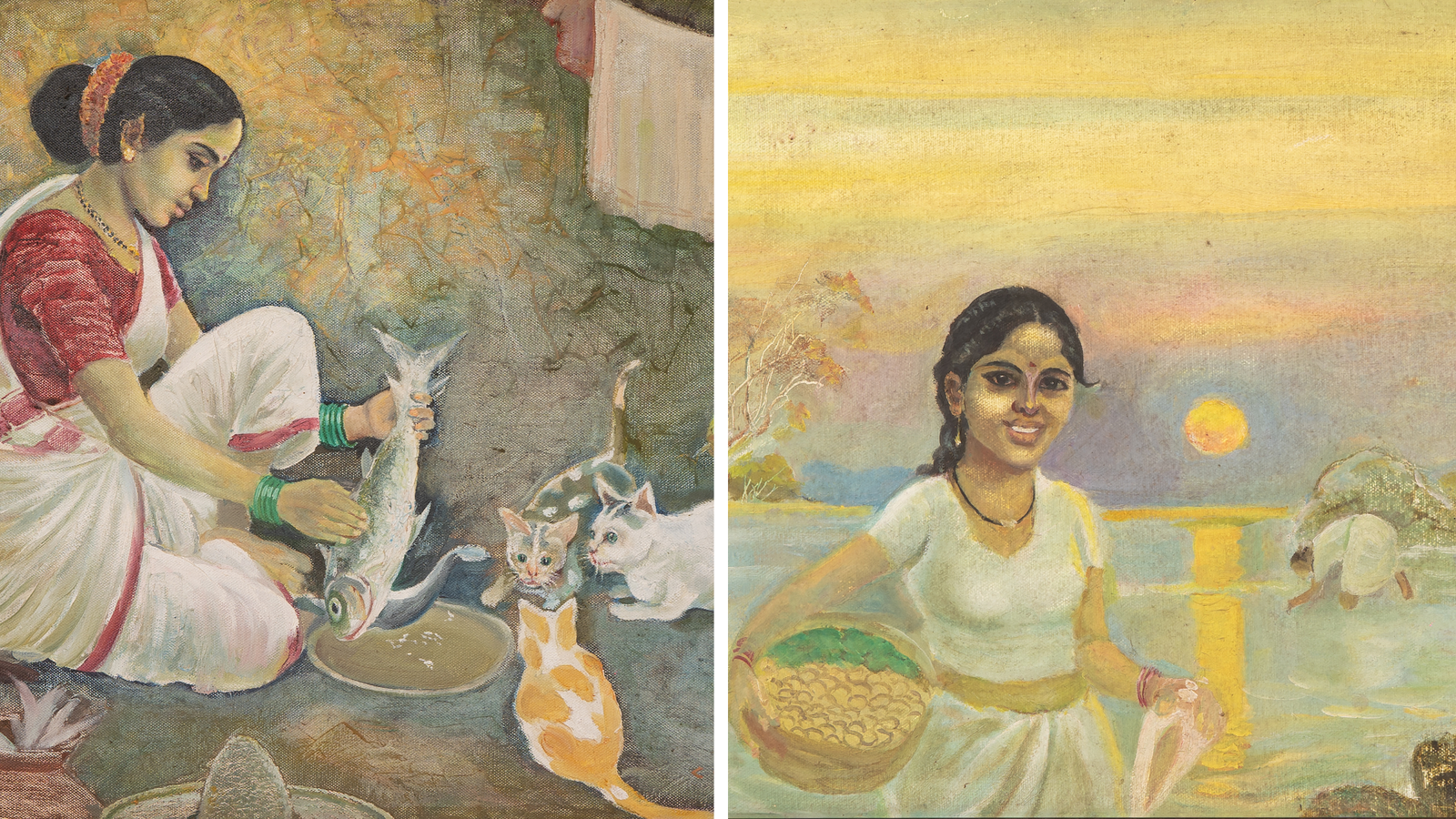
Food and Community: Fish connects different aspects of Goan life, linking the sea to the marketplace and the household. Its journey involves fishermen, vendors, buyers, and those who prepare it for the table. Beyond sustenance and trade, fish is part of everyday conversation and social exchange, reflecting the connections between food, place, and community.
Women and Everyday Labour: The works draw attention to women’s contributions to coastal economies, marketplaces, and household life. Their labour extends from gathering shellfish and selling fish to preparing food and managing domestic routines. These activities also create spaces for social interaction, where songs, stories, and practical knowledge are shared and transmitted.
Cultural Diversity and Religious Practice: One of the major artwork Goa Darshan brings together imagery associated with different religious traditions, festivals, and community practices. The painting invites reflection on how religious identities are expressed through rituals, architecture, and symbols, and how historical encounters have shaped the cultural landscape of Goa. Its details offer an entry point into considering the coexistence and interaction of different traditions.
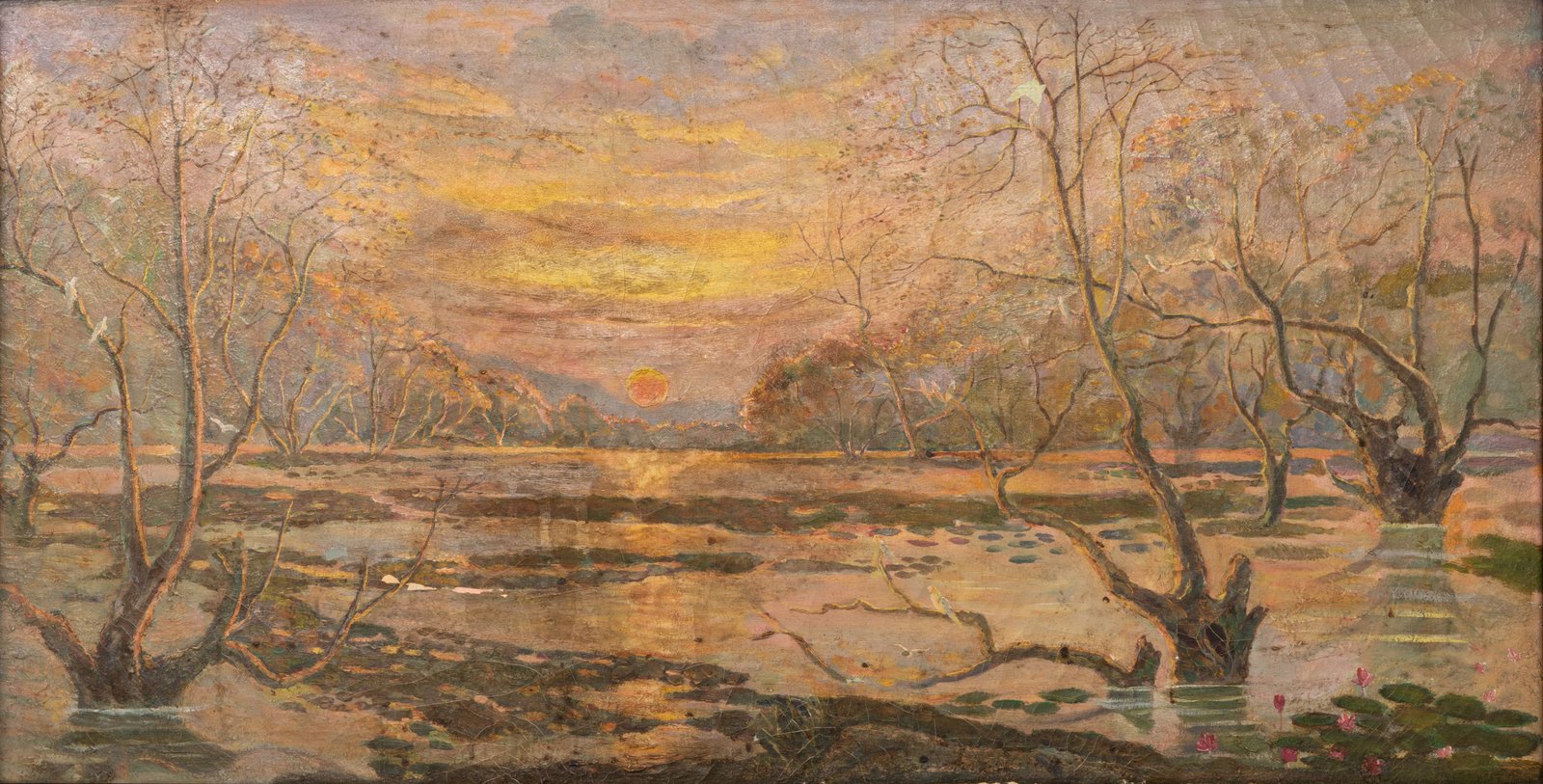
People and Place: The sea, rivers, village wells, marketplaces, and domestic spaces are integral to the lives depicted in the paintings. These environments shape how people work, travel, gather, and sustain their communities. By placing everyday activities within recognisable landscapes, the works reveal the close relationship between place, livelihood, and cultural identity.
Artists, Contributors & Sources
C. S. Kerkar is the artist whose paintings form the exhibition Goa Nostalgia. Created over several decades, the works document people, places, and practices associated with Goa’s coastal and village communities. The exhibition also draws on Konkani oral traditions, including the folk song Ladke Maje Leki, to connect the visual record with the language, music, and memories through which everyday histories are transmitted.
Key Works & Materials
Goa Darshan
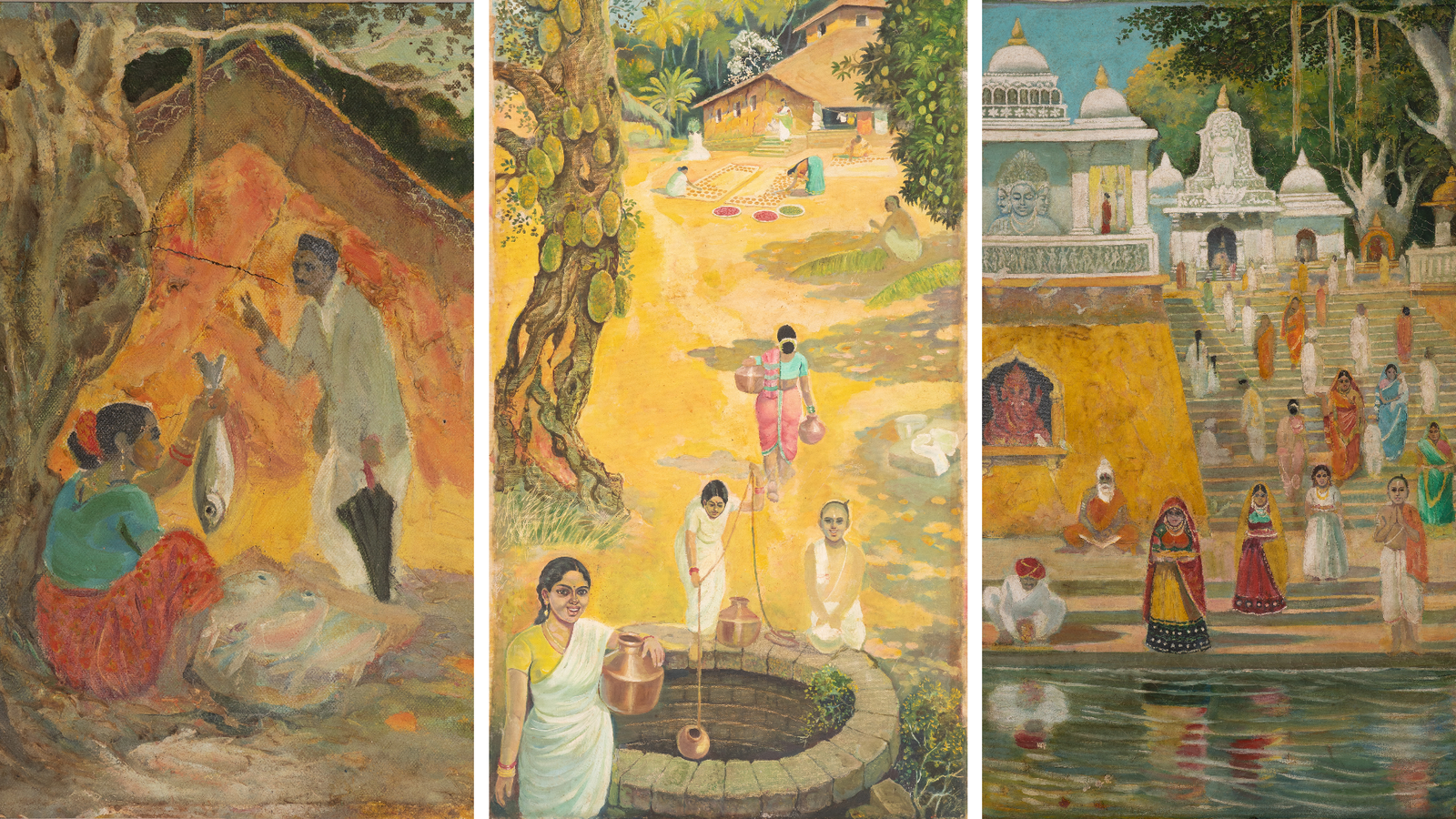
A central work in the exhibition, Goa Darshan depicts people participating in different traditions, rituals, and celebrations. Bringing together imagery associated with Hindu and Christian festivities and local tribal communities, the painting presents a culturally diverse Goa. Its details invite consideration of the relationship between religious practices, household symbols, and historical exchange.

Life Along the Coast
Paintings of fishing communities depict the stages of coastal work, from fishermen returning with their catch to fisherwomen gathering shellfish along the shore. Together, they record the labour, practical knowledge, and coordination involved in sustaining livelihoods connected to the sea.
Goan Market
This series documents the sale of fish in village marketplaces. Through scenes of vendors, customers, bargaining, and the handling of different fish varieties, the paintings capture the marketplace as a space of commerce and social interaction. The works also follow the catch into the household, completing the journey from sea to plate.
Temple Visit
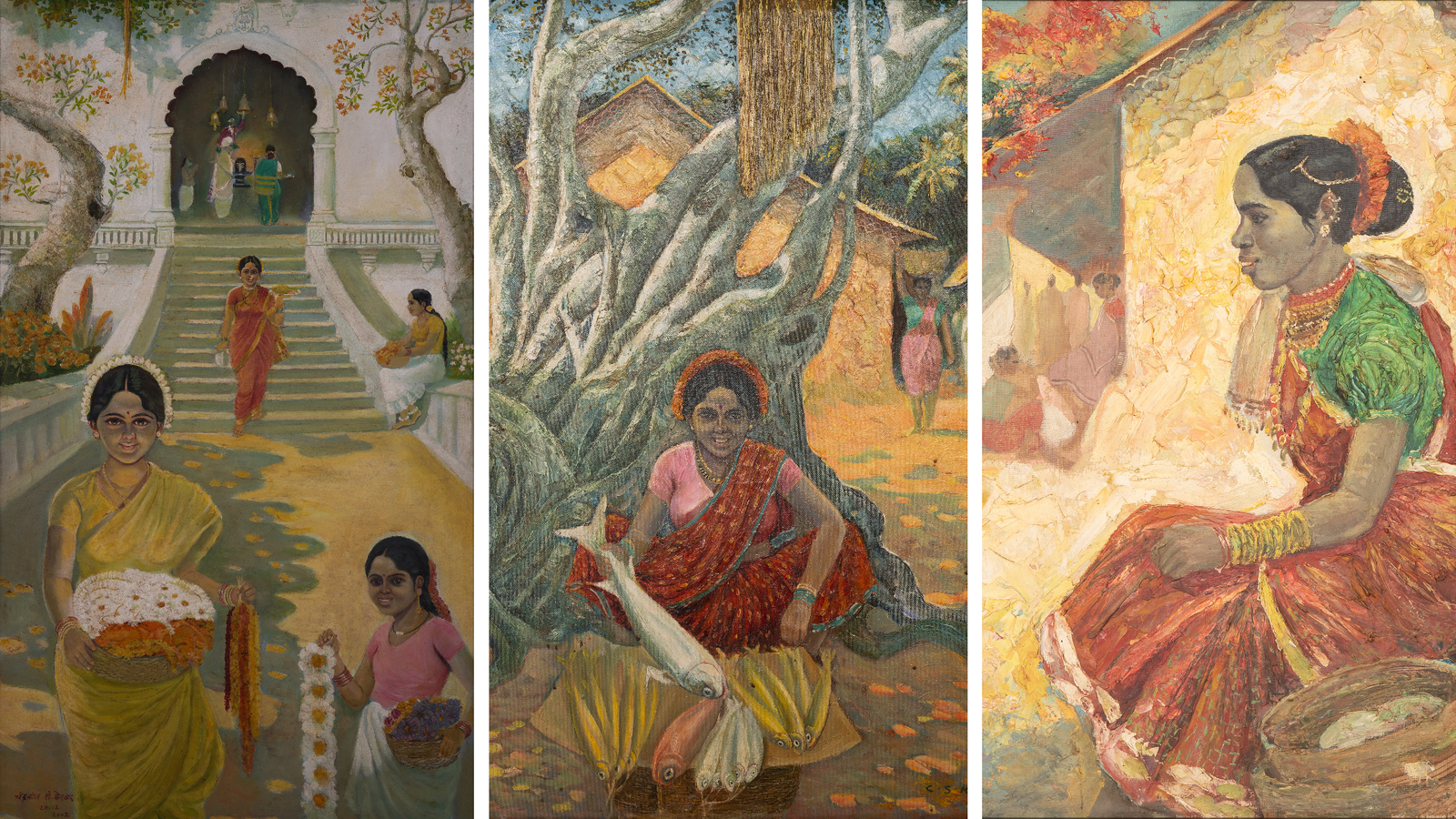
Paintings of temples, including Mangeshi Temple, connect religious architecture and pilgrimage with the historical movement of communities and deities. They offer points of entry into the histories of religious practice and the relocation and rebuilding of temples in Goa.
River Crossing
This painting depicts passengers sharing a traditional canoe journey across a river. It records an important form of transport through which people, goods, and communities remained connected before bridges transformed many of Goa’s travel routes.
Women in Their Household
These works portray women engaged in grinding grain, drying food, drawing water, and other domestic activities. Scenes around the dantem evoke the relationship between shared labour, oral traditions, and everyday social life.
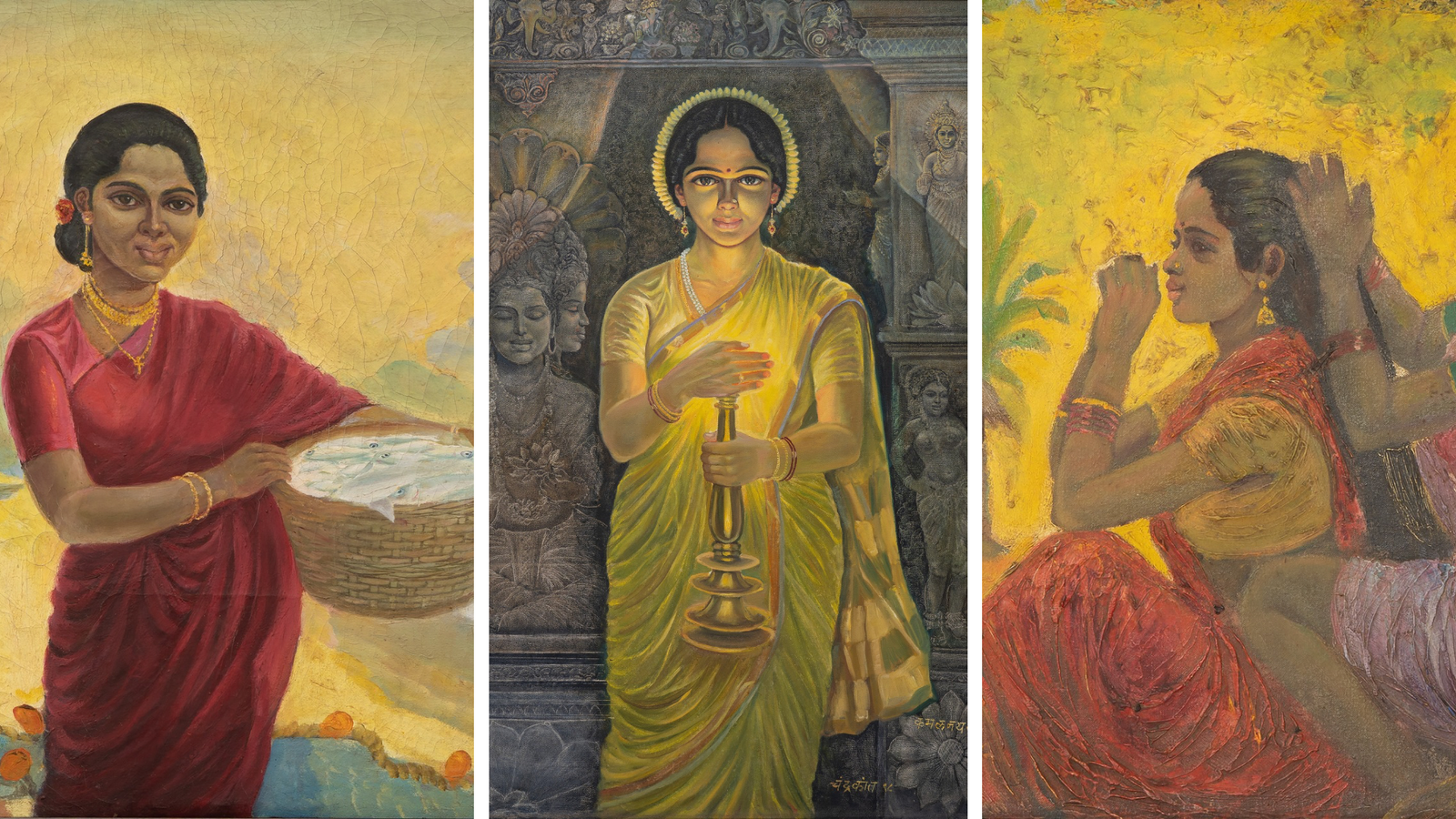
Lady with the Lamp
This painting presents a woman holding a lamp, with particular attention to the interplay of light and shadow. Inspired by S. L. Haldankar’s celebrated Glow of Hope, also popularly known as Lady with the Lamp, the work reflects an engagement with the academic realist tradition. The lamp becomes the focal point of the composition, while the temple in the background introduces a distinct cultural setting.
Learning & Engagement
Goa Nostalgia offers opportunities to explore Goa’s social and cultural histories through close observation of paintings. Visitors can examine details of clothing, architecture, tools, fishing practices, market exchanges, and religious symbols to consider what these reveal about everyday life in earlier decades.
The exhibition also encourages reflection on the relationship between inherited knowledge and changing ways of life. Visitors may also connect the works with their own experiences and memories. Familiar foods, village routes, household objects, songs, and festivals offer points of recognition, while unfamiliar practices open up questions about how communities have lived, worked, and related to their environments.