- This event has passed.
August 25, 2024 - September 13, 2024
WE THE PEOPLE (TOO)
By Siddhesh Gautam, also known as Bakery Prasad
About the Exhibition
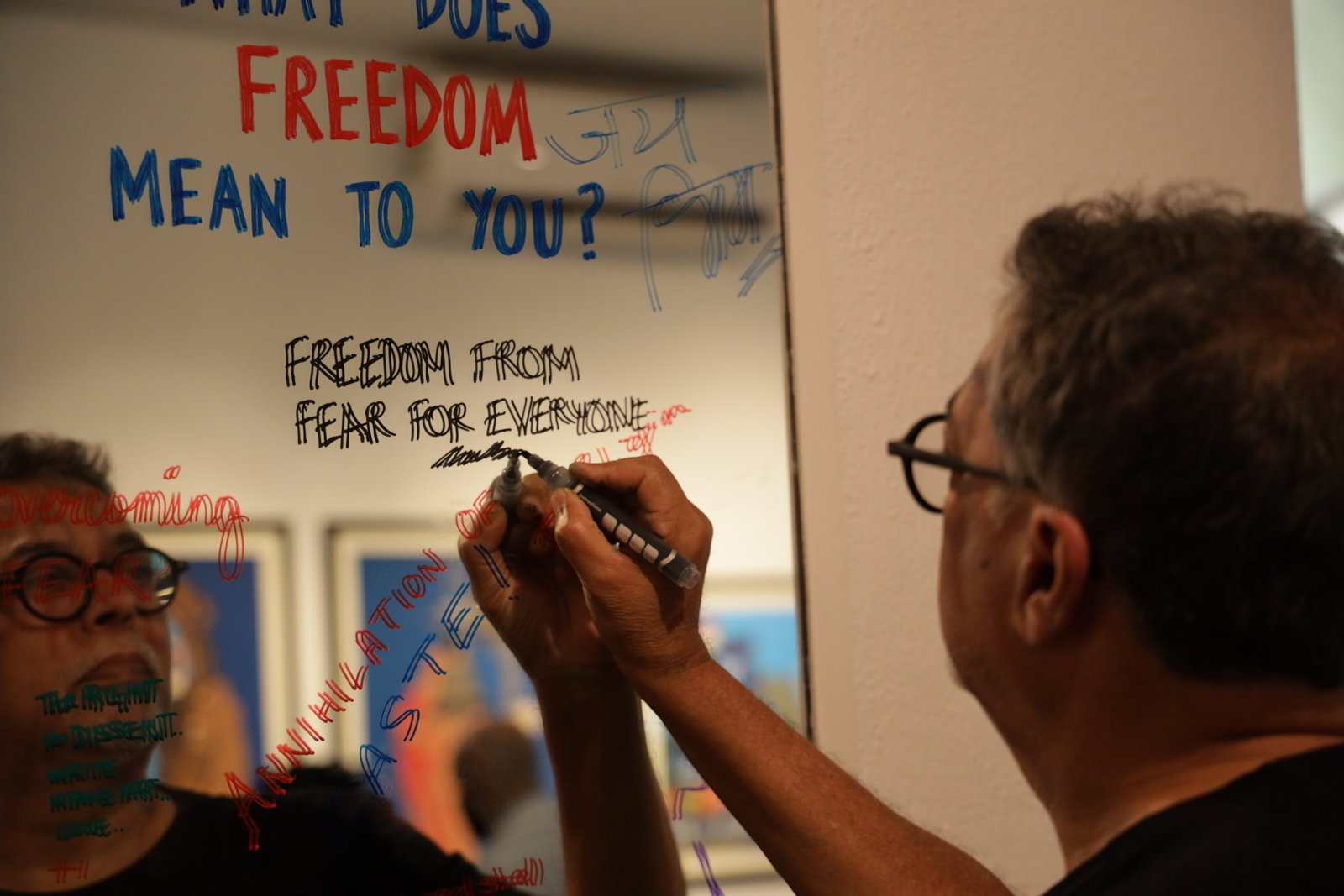
What is independence? Is it the freedom of a state from external control, or a shared sense of freedom among its people?
On the midnight of 15 August 1947, India gained independence from British rule. But did the people achieve true freedom that night, or did the change truly begin on 26 January 1950, when the Constitution replaced colonial law and the Manusmriti, opening new paths for those oppressed for centuries as Untouchables?
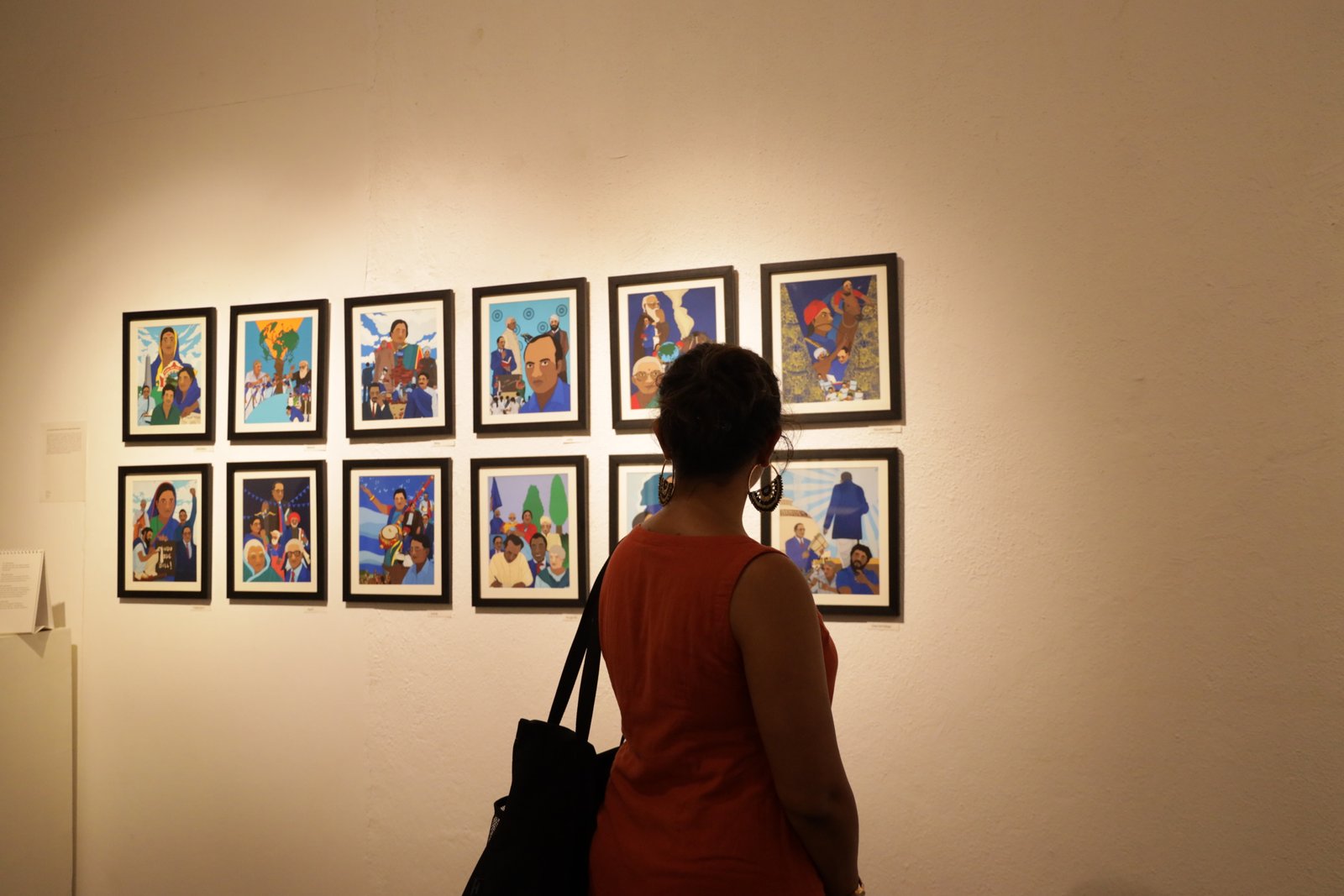
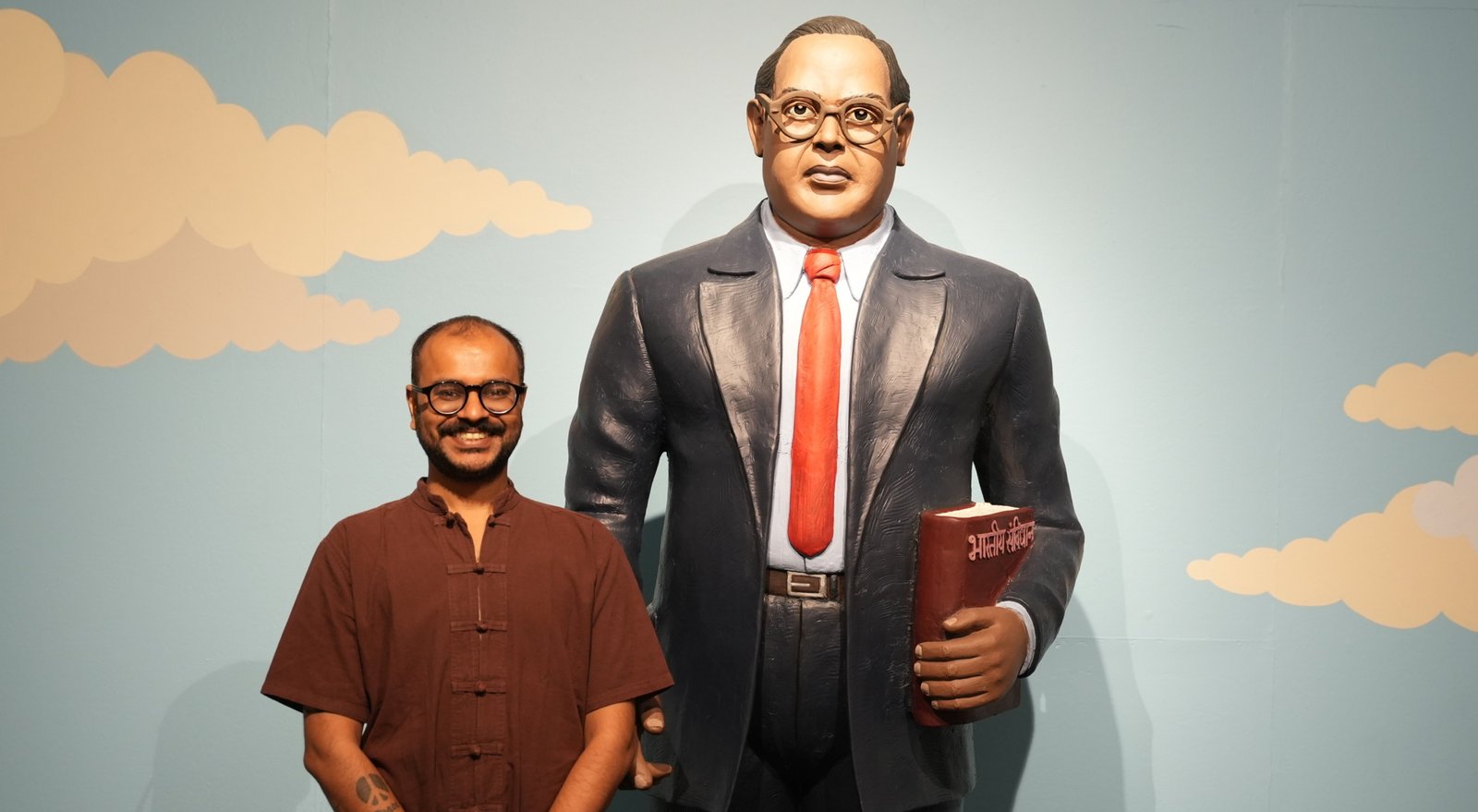
We the People (too) by artist Siddhesh Gautam, also known as Bakery Prasad, honors those who fought for freedom before and after colonial rule, and those who carried forward the struggle against caste oppression. It brings together the stories of leaders, reformers, and everyday people whose lives speak of resilience and the ongoing pursuit of equality, liberty, and fraternity. At its centre is a personal journey of reclaiming a history once lost, and of connecting with the shared past of a community determined to shape its own future.
Artworks and Excerpts
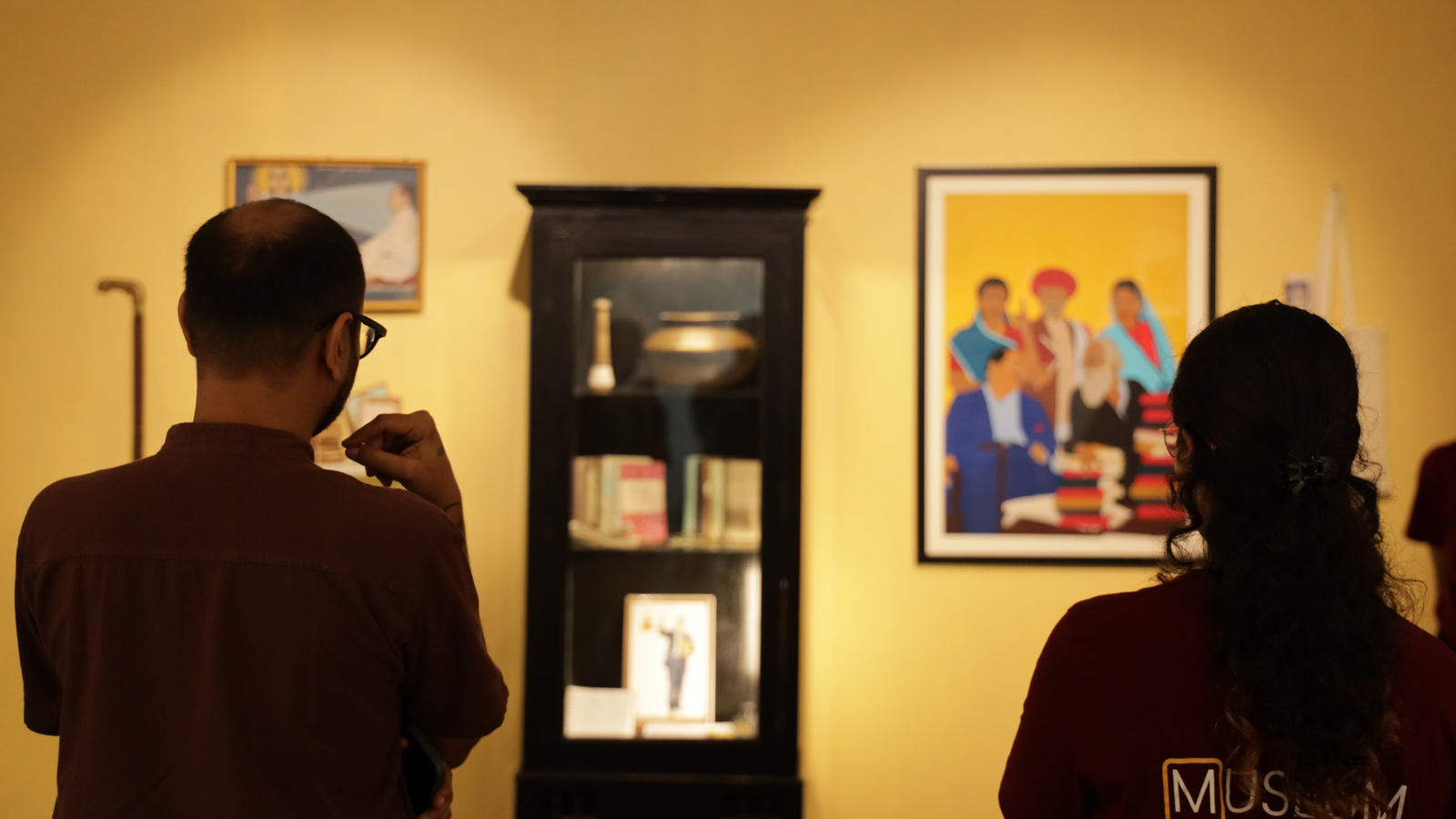
Savitrimai, Jotiba, Ramai, Periyar, and Ambedkar (2024)
Portraits honouring key figures who challenged caste oppression and fought for education, social reform, and the dismantling of hierarchy.
Educate, Agitate and Organise: A self portrait (2021)
A reflection on the artist’s own role in continuing Ambedkar’s call for education, agitation, and organisation as tools for justice.
How bloody is the doorbell of Gods (2020)
A visual challenge to the violence and exclusion hidden within religious spaces and traditions.
Aspirations of the oppressed (2023)
Explores the hope and determination of communities historically denied equality, and their vision for a more just society.
Come get education (2023)
Tells the story of Savitribai Phule and Fatima Sheikh, pioneers who opened India’s first school for girls in 1848, defying caste and gender barriers.
Future Blues feat. Dr Ambedkar (2022)
Calls for Dalit, Bahujan, and Adivasi communities to reclaim and redefine Indian aesthetics, breaking the stereotypes that have shaped cultural narratives for too long.
What is violence, Angela (2021)
Draws on Angela Davis’s 1972 prison interview, connecting her words on systemic violence with struggles against oppression in India.
Freedom we dreamed of (2023)
Reflects on Ambedkar’s vision of independence — the end of colonial rule and the removal of caste, untouchability, and discrimination.
We are sorry, Rohith (2020)
Based on Rohith Vemula’s final letter, this work mourns his loss and confronts the devaluation of human dignity through caste prejudice.
Phoolan: A symbol of resistance (2020)
The story of Phoolan Devi’s transformation from a victim of abuse to a symbol of vengeance and justice for oppressed communities, and later a member of Parliament.
The League of Extraordinary Gentlepersons: Dr Ambedkar and Shahuji Maharaj (2022)
Pays tribute to Shahuji Maharaj’s early reservation policies and Ambedkar’s constitutional safeguards, while confronting ongoing resistance to affirmative action.
Dalit lives matter, till when (2020)
A direct question about the fleeting public attention given to caste-based violence and discrimination.
Babasaheb’s Navayana (2021)
Explores Ambedkar’s founding of Navayana Buddhism as a path for collective emancipation from caste oppression.
Becoming One with the Buddha (2021)
Shows how Ambedkar reinterpreted Buddhist principles to focus on social suffering and equality rather than personal salvation.
If Ramai Lived Today (2024)
A poetic imagining of how Ramabai Ambedkar might continue the struggle for justice in contemporary times.
Mahad Satyagraha: a fight for water, a fight for justice
Revisits the 1927 protest led by Ambedkar for Dalits’ right to access public water, a milestone in the anti-caste movement.
Architect of the social democracy of India (2021)
Highlights Ambedkar’s warnings against authoritarianism and his call for social democracy alongside political democracy.
Everyday is workers day (2021)
Acknowledges Ambedkar’s often-overlooked role as a labour leader who fought for fair hours, workers’ rights, and social protections.
A concise history of the anti-caste movement (2023)
A calendar mapping key dates, people, and events in the centuries-long fight against caste oppression.
Echoes of Touch: Preserving Memories Beyond Objects
A personal reflection on memory, inheritance, and the ways history can be preserved through both objects and acts of creation.
Exhibition Flow and Experience
The exhibition begins with portraits and works that honour figures who shaped the anti caste movement. These first works introduce the long history of resistance and the people whose actions continue to inspire.
From there, visitors encounter artworks that speak to the fight for education, the reclaiming of cultural narratives, and connections between struggles in India and movements across the world.
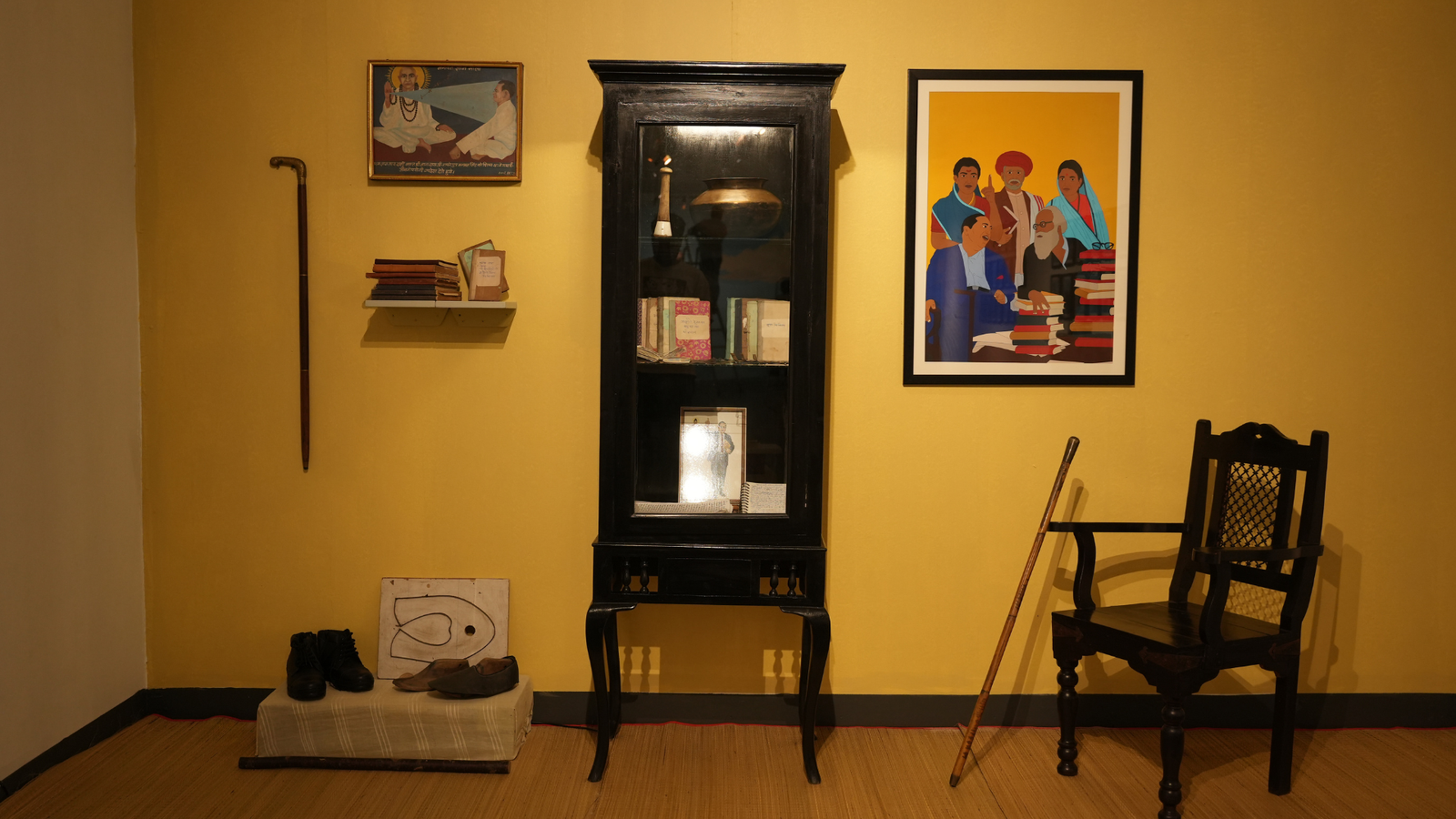
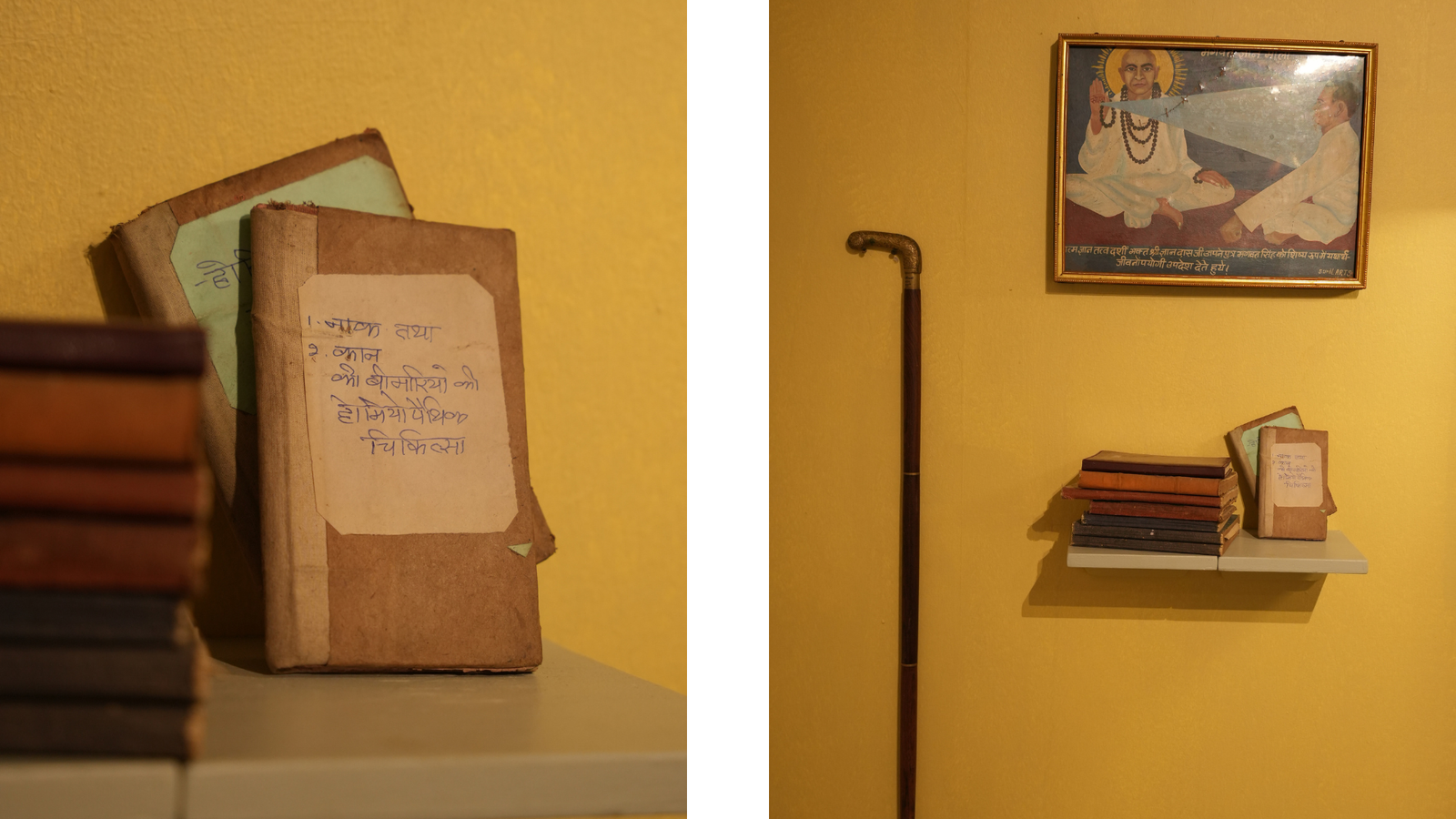
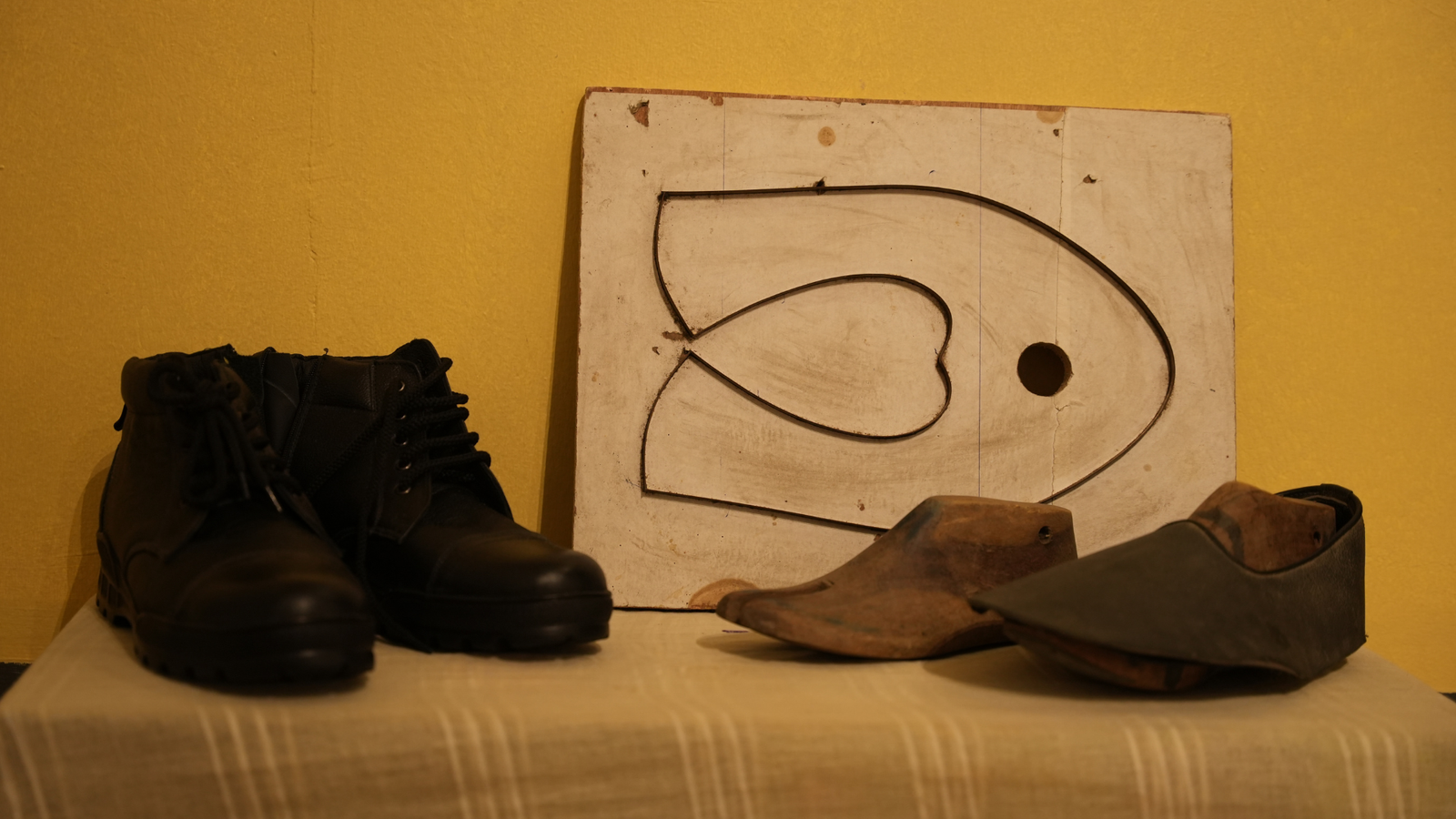
At the centre is a personal installation showing the life of a Dalit family after independence. Everyday objects and keepsakes are presented as fragments of history, pieces that carry both memory and meaning.
The final section brings together timelines of key moments in the anti caste struggle, poetry, and reflections on memory. These works offer a space to think about the movement as a living, ongoing effort and invite visitors to imagine how freedom, equality, and fraternity can be shaped in the present.
Acknowledgements
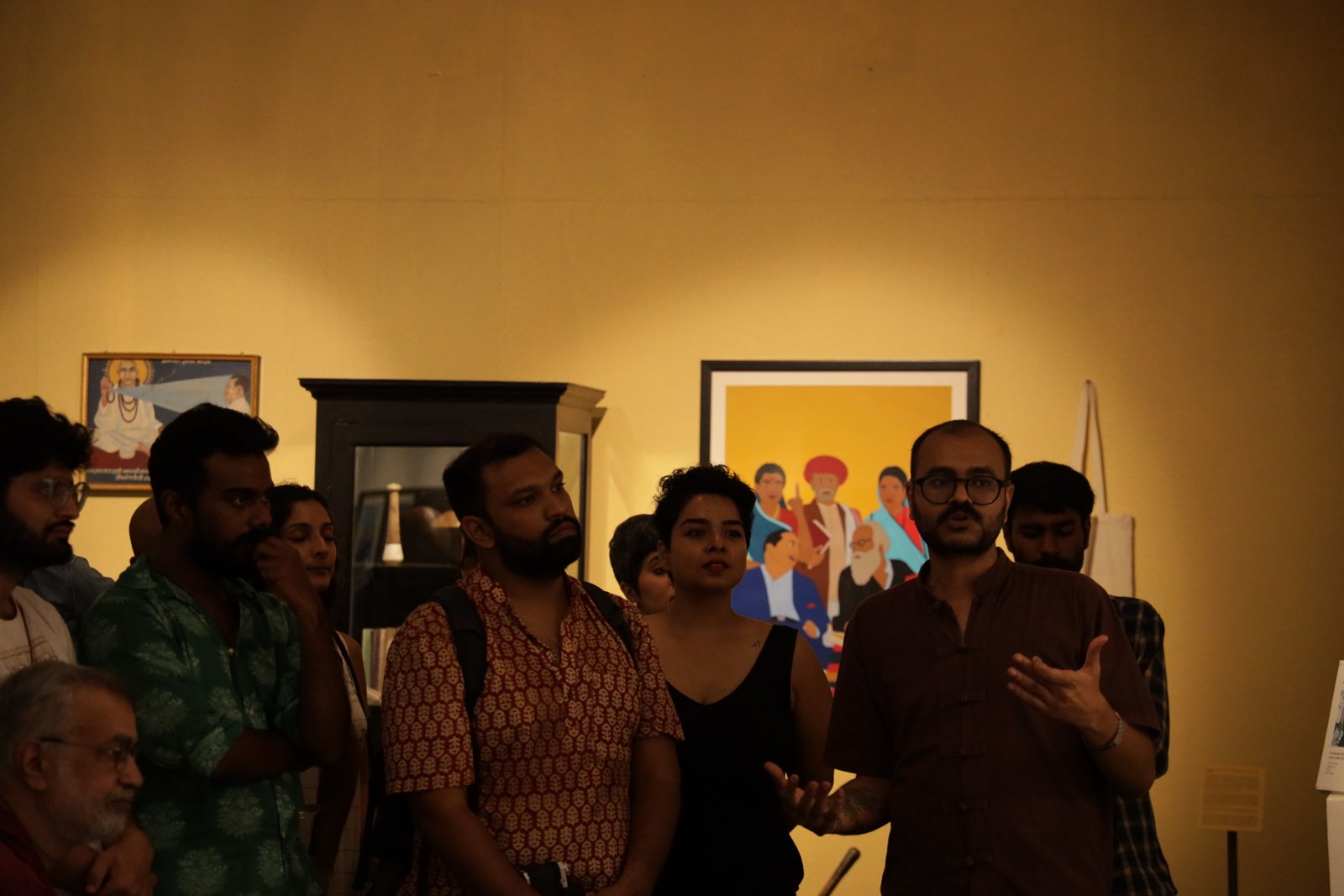
The Museum of Goa thanks artist Siddhesh Gautam for bringing We the People (too) to our space. We acknowledge the leaders, reformers, and community members whose struggles and achievements are at the heart of this exhibition.
We thank the families, historians, and activists who shared their knowledge and personal histories. We recognise the resilience of communities that have endured generations of systemic oppression and whose vision for equality continues to guide us.
We also thank the team at the Museum of Goa and all those who contributed their time, research, and support to present this exhibition.